The Story
Why it exists.
The beginning
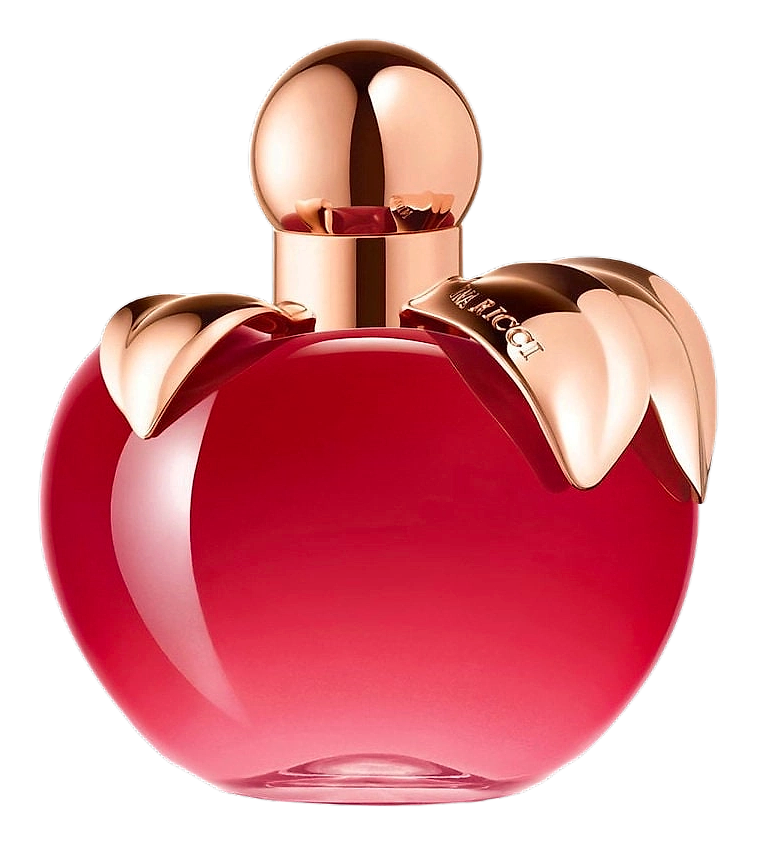
Cherry Fantasy arrived in 2004, part of the Les Belles de Ricci collection. Aurélien Guichard composed the fragrance, and the result captures something almost contradictory: fruit without weight, sweetness without cloying density. The composition opens with bright citrus that feels almost sparkling, berries that carry a natural jammy quality rather than synthetic candy sweetness. Beneath the initial brightness, there's a warm spiced note that keeps the opening from feeling superficial. As the top notes recede, cherry blossom takes over the heart of the fragrance, bringing with it a softer, more ephemeral quality that feels like spring captured in liquid form. The overall effect is concentrated pink and sweetness, but rendered with enough technical skill that it never tips into caricature.
What makes Cherry Fantasy work is the Cassia. It's a cinnamon-scented member of the cassia family that gives the grapefruit a spiced edge, keeping it from being merely refreshing and adding warmth to the citrus. Combined with the raspberry's jammy quality and the blackcurrant's tart bite, the top becomes a three-act opening that most fragrances treat as a single moment. The cassia doesn't overwhelm the citrus brightness; instead, it underpins it with something earthier and more complex. Then cherry blossom arrives, and the whole composition shifts from bright to insistent.
The evolution
The opening announces itself immediately: berry sweetness, citrus brightness, and something warmer underneath from the Cassia. Thirty minutes in, the grapefruit recedes and cherry blossom fills the space it left. This cherry blossom is richer than it might appear on first spray, almost creamy in its development, like the actual flowers pressed against warm skin. There's a softness to the floral heart that feels intentional rather than accidental, crafted to complement the sweeter elements rather than compete with them. The rose and water lily appear briefly, a softening agent that never quite takes hold, providing fleeting moments of additional delicacy before the cherry blossom reasserts itself. Cherry blossom owns the heart. The base is where the fragrance settles: red berries, cherry again, and musk that keeps everything close to the skin.
Cultural impact
Cherry Fantasy arrived as a cherry blossom fragrance in a period when such scents were being explored by various houses. The theme of cherry blossom carries associations with spring and renewal that give the fragrance an inherent sense of lightness and optimism. Cherry Fantasy stands as an example of how the cherry blossom note can be interpreted through a Western perfumery lens, taking inspiration from the visual and cultural associations of the flower while rendering it in a style that fits the broader Les Belles de Ricci aesthetic.
The House
Nina RicciNina Ricci is a Parisian fashion house founded in 1932 by Italian-born designer Maria "Nina" Ricci and her son Robert Ricci. The house began as a couture salon on Rue Haussmann, quickly establishing a reputation for refined, feminine gowns with romantic sensibility. Robert established an in-house perfume division in 1941, though the first fragrance would not arrive until 1946. That inaugural scent, Coeur Joie, marked the beginning of a partnership with Lalique that would define the house's olfactory identity. The house introduced its most celebrated fragrance, L'Air du Temps, in 1948, a scent that remains in production decades later. Puig acquired Nina Ricci in 1998, bringing the house under the same ownership that manages Carolina Herrera and Jean Paul Gaultier. Today, the fragrance collection spans from timeless classics to contemporary offerings like the Nina line, maintaining the house's commitment to feminine elegance.
The Creator
Aurélien GuichardAurélien's style could be described as refined and elegant, with a focus on natural ingredients. He often uses roses, a nod to his family's history, but he isn't limited by tradition.