
The Story
Why it exists.
The beginning
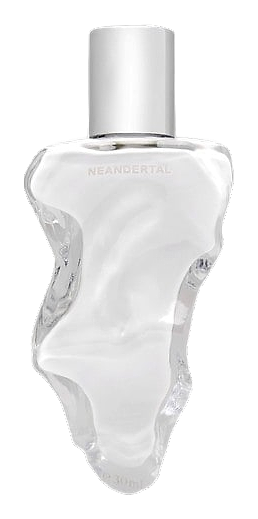
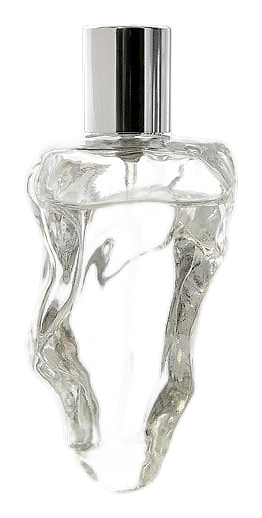
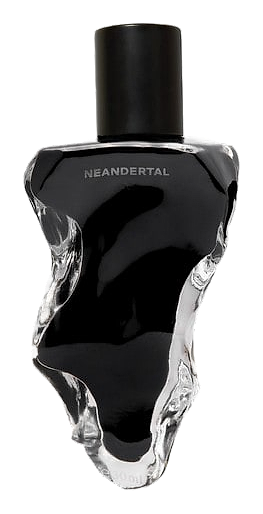
The name asks a question. 'was', past tense, identity, being. In the is/was duo, Neandertal asks what happens when humans create versus machines. One half formulated by AI. The other, by three perfumers: Isaac Sinclair, Fanny Grau, and Nikolaj Koralewicz. was™ is their answer, a composition that bears the marks of human hands, collaborative judgment, and the particular imperfections that make something feel alive rather than optimized. The pairing is deliberate. The tension is the point. What does it mean to create, and does it matter who's doing it?
The mate and Diviniris pairing is unusual. Mate brings bitter-green, grassy, almost smoky qualities, herbaceous in a way that reads as austere rather than inviting. Diviniris, a proprietary iris material, delivers powdery florals with a soft, slightly animal warmth. Together, they create a fragrance that doesn't immediately announce itself as beautiful. It asks you to come closer. The iris here isn't the classic, feminine iris of Chanel or vintage formulas. It's been pushed by mate into something stranger, green, bitter, less obviously pretty. That's the point. This is fragrance as conversation, not as compliment.
The evolution
The opening is brief. Bergamot and cardamom flash bright for maybe fifteen minutes, citrus, spice, then mate takes over and everything quiets. The bitter-green arrives with nutmeg's warmth, and suddenly you're in a room where the air smells like dried herbs and old paper. Not unpleasant. Just specific. Thirty minutes in, Diviniris announces itself. Powdery, warm, a little animal. The geranium keeps things honest, green, slightly bitter, refusing to let the iris get too comfortable. Clove threads through, keeping the heart deliberate rather than soft. By the third hour, the iris has settled into something quieter. Cedar and sandalwood dominate the base now, with vetiver adding earth and amber bringing warmth. Vanilla and musk hold everything close. The drydown is long, six to eight hours on most skin, and intimate. It doesn't announce itself from across the room. It waits for you to notice.
Cultural impact
The is/was concept places was™ in a unique cultural position, asking whether the line between human and machine creation matters, and whether a fragrance made by people carries something a machine cannot. For wearers drawn to fragrance as identity rather than decoration, this is a counterpoint to the expected. The response is divided: some find the premise compelling, others find it alienating. But for those who want fragrance that refuses to be merely pleasant, was™ offers something worth considering.