The Heritage
The Story of Neandertal
Neandertal asks a simple, disarming question: what if humanity is not the measure of all things? Founded in 2017 by Tokyo-born, London-based artist Kentaro Yamada, this conceptual fragrance house treats perfume as philosophy. Each release probes identity, impermanence, and the quiet arrogance of human exceptionalism. The house has no signature style, only a consistent refusal to treat scent as decoration. Neandertal collaborates with perfumers like Euan McCall, pushing materials toward their limits. For those seeking fragrance that thinks, Neandertal offers something rare: olfactory art with something to say.
Heritage
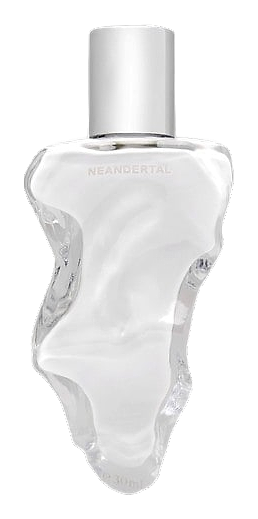
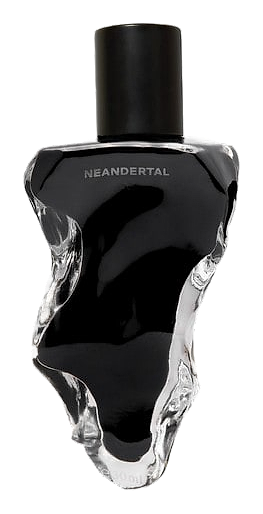
Neandertal emerged from the London art scene in 2017, when Japanese artist Kentaro Yamada began exploring fragrance as a medium for philosophical inquiry. The name references Homo neanderthalensis—humanity's closest relative, who inhabited Eurasia for over 450,000 years, roughly five times longer than Homo sapiens has existed. Yamada saw in this comparison a sharp critique of human self-regard. The house's first release, Neandertal Dark, arrived in 2015 as a personal project before the brand formalized. Neandertal Light followed in 2018, offering a different facet of the same inquiry. By 2020, Yamada had enlisted perfumer Euan McCall for Neandertal Us and Neandertal Them—twin explorations of connection and difference. The house continued its conceptual arc into 2025 with the release of is and was, two fragrances that examine temporality and being. Each release arrives with minimal fanfare and maximum intent, challenging assumptions about what perfume can carry.
Craftsmanship
Neandertal approaches formulation as a collaborative dialogue between artist and perfumer. Yamada works closely with specialists like Euan McCall, who brings technical mastery to the house's conceptual demands. The fragrance Dark received particular attention for its construction—building warmth and darkness without relying on the expected palette of oud or smoke. Us and Them required different challenges: exploring relational themes through material choices that read as intimate rather than performative. The house does not publish detailed ingredient lists or sourcing matrices, maintaining an air of mystery around its supply chain. What is clear is that Neandertal prioritizes material quality and intention over trend-following. Each fragrance undergoes extended development, with releases spaced years apart to ensure conceptual coherence. The house treats every formula as a singular object, not a product to be replenished quarterly.
Design Language
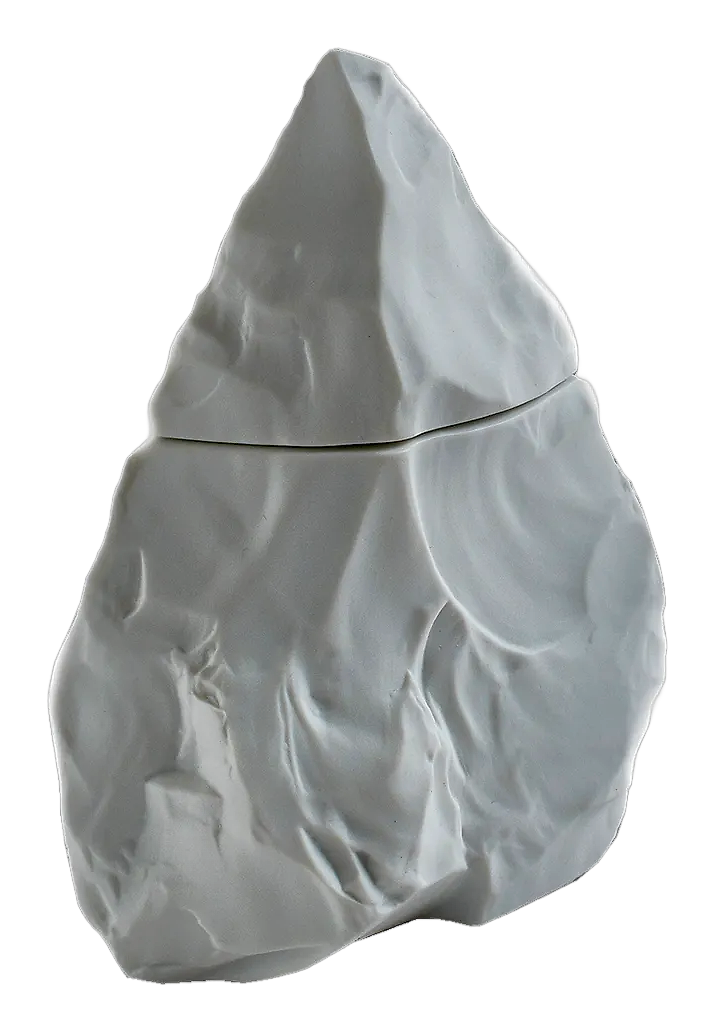
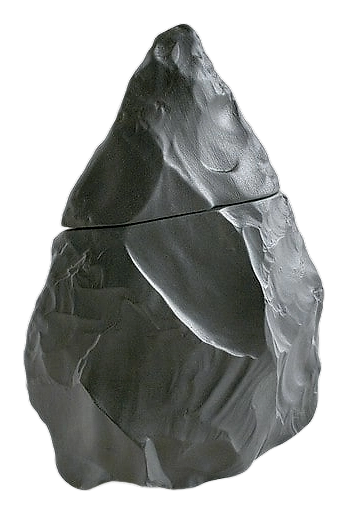
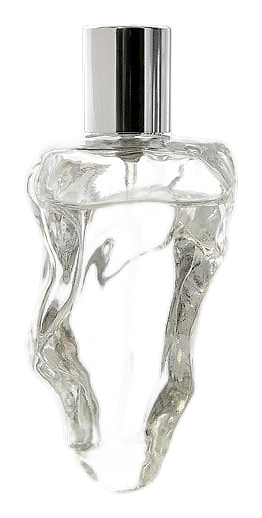
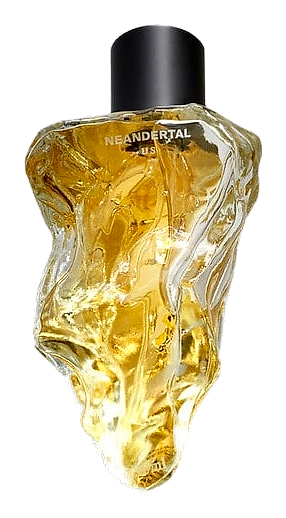
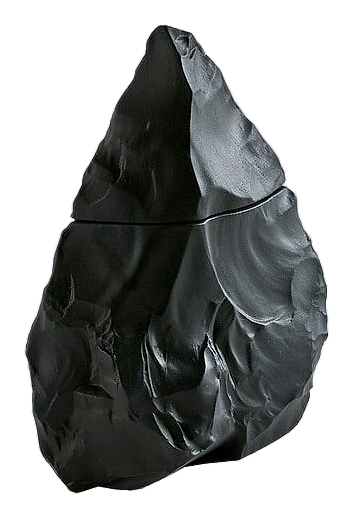
The brand's visual identity mirrors its conceptual rigor. Packaging arrives stripped to essentials—clean typography, minimal color, materials that feel considered rather than luxurious. There are no decorative flourishes, no aspirational imagery, no lifestyle suggestions. Neandertal bottles present themselves as objects: functional, quiet, slightly austere. The design language communicates the house's core belief that fragrance need not sell itself through seduction. Text appears spare, often existential: the name of the fragrance, the year, nothing more. This restraint extends to marketing. Neandertal has no campaigns, no celebrity endorsements, no social media strategy beyond occasional documentation. The aesthetic is anti-branding in an industry built on brand. For those attuned to this wavelength, the visual silence amplifies the sensory experience of wearing the perfume.
Philosophy
Neandertal operates from a deceptively simple premise: modern humans have an inflated sense of their place in the story of life. The house uses fragrance to puncture this bubble. Where most perfume brands promise transformation—your life improved, your presence amplified—Neandertal offers something stranger: the invitation to feel small, briefly, and find that exhilarating rather than diminishing. Yamada has described the brand as a form of artistic practice, not a commercial enterprise. There is no house accord, no signature note, no consistent aesthetic across releases. What connects Neandertal fragrances is an attitude—a willingness to make wearers uncomfortable, curious, or contemplative. The brand resists categorization precisely because it refuses the conventions of the perfume industry. Each creation exists as an independent statement, a standalone work that rewards attention and punishes passivity.
Key Milestones
2015
Neandertal Dark launches as Yamada's independent fragrance project.
2017
Neandertal formalizes as a brand, with Yamada establishing its conceptual framework.
2018
Neandertal Light releases, offering a different reading of the house's themes.
2020
Neandertal Us and Neandertal Them debut, created with perfumer Euan McCall.
2025
is and was release as a paired exploration of temporal identity.
At a Glance
Brand profile snapshot
Origin
United Kingdom
Founded
2017
Heritage
9
Years active
Collection
1
Fragrances released
Avg Rating
3.8
Community sentiment
Release Rhythm


