
The Story
Why it exists.
The beginning
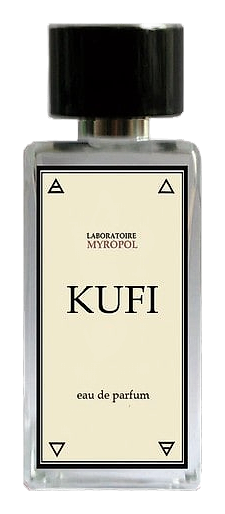
Kufi arrived in 2010, composed by Andrey Oleynikov himself. The composition draws on classical aromatic materials, myrrh, calamus, papyrus, resins that perfume has carried for centuries, and threads them through something more contemporary. Wine, hemp, dried fruit. The composition sits between an apothecary shelf and a winter table, borrowing the gravity of ancient ingredients without feeling like a museum piece. Oleynikov lets the raw materials speak at their own pace, and there's a patience in the way the heavier resins are introduced late rather than worn on the sleeve from the first spray.
Red wine and reed open the door before any incense arrives. This one starts fermented, almost agricultural, then pivots into hemp, calamus, and lotus, a heart that's closer to a vintage herbal liqueur than a heavily spiced market stall. The cannabis accord here isn't recreational shorthand. It's green, papery, and slightly bitter, woven between plum and cardamom so it reads as foliage rather than smoke. The reed note reinforces that grassy undercurrent, adding a marshy, mineral quality that keeps the wine from skewing too syrupy.
The evolution
The opening of Kufi is a sharp herbal hit of lemongrass, juniper, and coriander, brightened by a vivid red wine accord that recalls a chilled glass poured beside a window. The citrus-green lift from lemongrass cuts against the darker, fruitier wine note, and coriander adds a warm, slightly soapy spice that ties them together. Juniper cracks underneath with its characteristic piney bitterness, grounding the brighter elements. As the composition warms on skin, the heart unfolds with dried plum, cardamom, papyrus, and calamus, with reed lending a dry, marshy greenness. Plum softens the herbal sharpness, while cardamom introduces a cool, almost eucalyptus-like brightness. Papyrus brings a dry, woody grain, and calamus adds a rooty intensity that pulls the whole heart slightly earthy.
Cultural impact
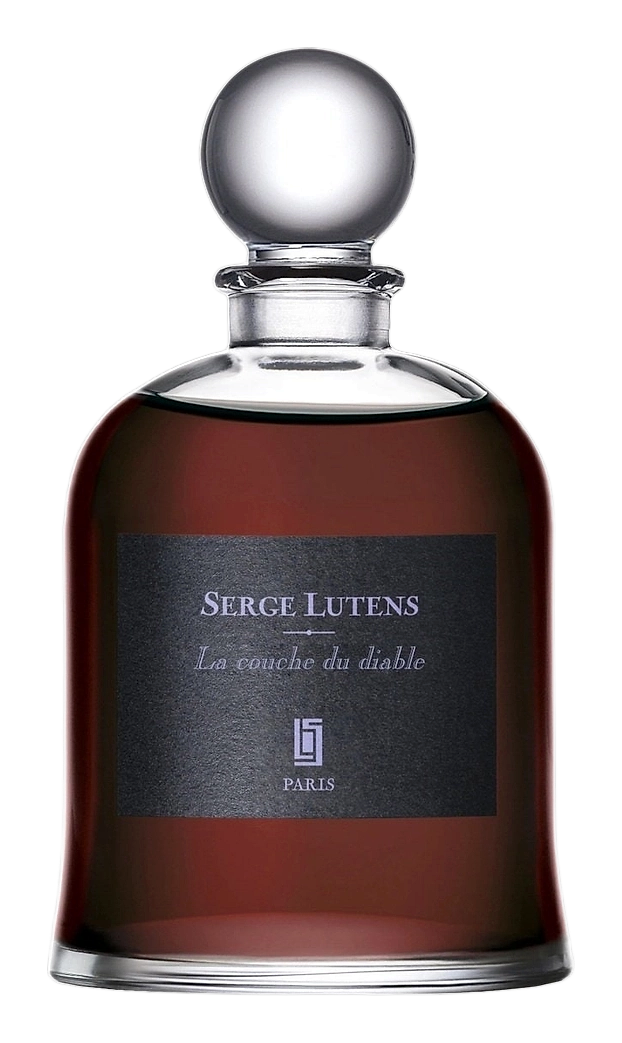
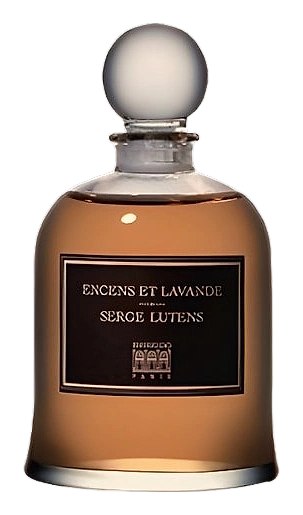
Kufi draws comparisons to compositions from Serge Lutens and Parfum d'Empire, works that share an appetite for resinous, apothecary-style compositions. The cannabis note sets it apart from standard boozy or incense-driven releases, lending a green, papery bitterness that few fragrances attempt. Wearers tend to be people already deep into herbal and bitter fragrance territory, the kind who reach for compositions built around roots, resins, and fermented notes. On skin, Kufi behaves like a cold-weather composition, with the heavier resins and rooty spices unfolding best under cooler temperatures where their warmth has room to register.