Heritage
A house, in its own words
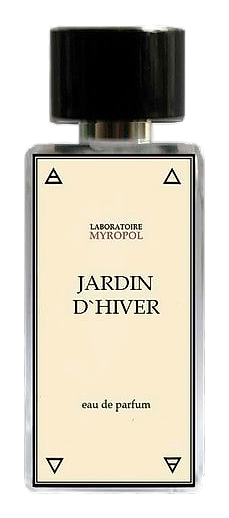
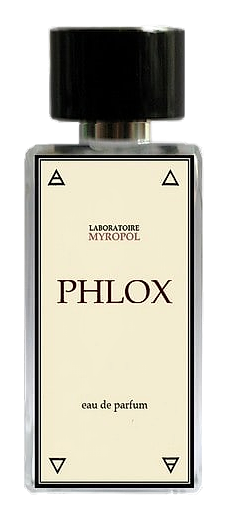
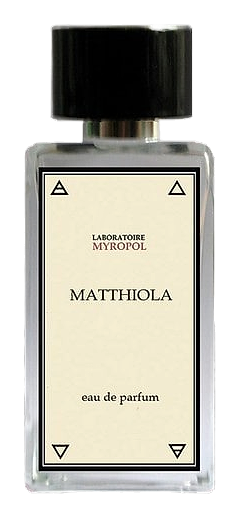
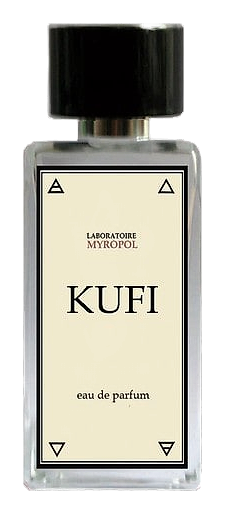
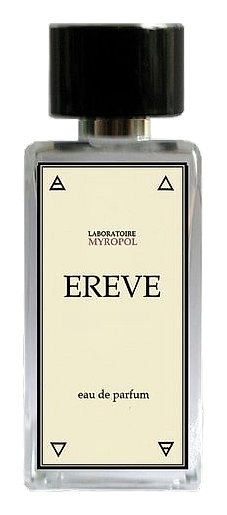
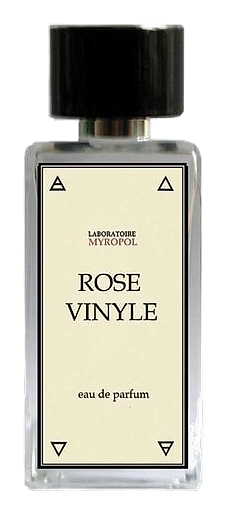
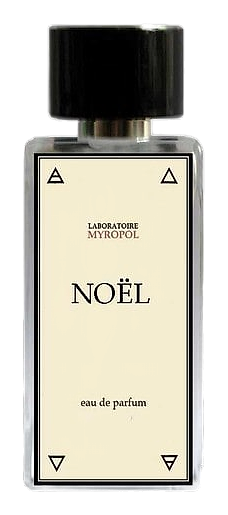
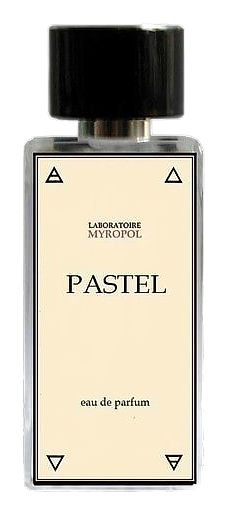
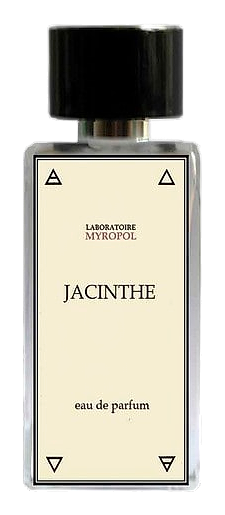
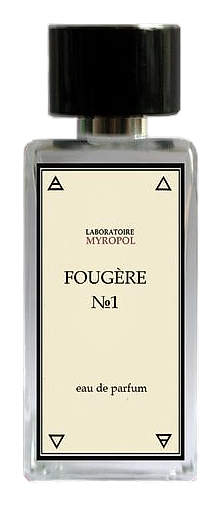
The origins of Myropol as a dedicated niche perfumery project trace to the early 2010s, with the house's earliest documented releases appearing in 2010. These inaugural compositions, including Jacinthe (a study in hyacinth), Matthiola (evoking the evening-scented stock flower), and Kufi, established foundational themes that would recur throughout the brand's subsequent development. The name Myropol itself derives from the Russian word for myrrh, connecting the house to a tradition of aromatic materials with deep historical significance in perfumery. Founder Andrey Oleynikov built the brand's identity around the principles of natural perfumery, drawing upon classical techniques while approaching fragrance creation as a form of botanical exploration. The years between 2015 and 2017 marked a particularly active period for the house, with the release of Rose Vinyle, Ereve, Fougere No. 1, Phlox, Jardin d'Hiver, Pastel, and Noёl. This sequence of releases demonstrated an expanding range, moving from specific floral studies toward more abstract conceptual compositions. The brand has maintained its independence throughout its development, operating without the backing of larger fragrance conglomerates and preserving a focused vision for its creative output. Myropol's heritage within the Russian niche fragrance scene reflects a broader movement toward artisanal and independent perfumery in the post-Soviet cultural landscape, where a new generation of creators has sought to establish distinctive voices outside established European perfume capitals. Myropol's approach to perfumery centers on a belief that fragrance should function as a medium for expressing the sensory qualities of plants, minerals, and aromatic materials in their most direct and honest form. Rather than constructing elaborate narratives or chasing trend-driven formulas, the house prioritizes olfactory accuracy and the faithful representation of raw materials. This philosophy manifests in compositions that often begin with a specific botanical inspiration and develop through careful layering of complementary notes that illuminate rather than obscure the central accord. The creative process at Myropol reflects an attentiveness to how materials behave individually and in combination, with each fragrance representing a response to the particular character of its ingredients. There is an underlying commitment to restraint and intentionality in the house's work, evident in the relatively modest size of the collection and the measured pace of new releases. This measured approach allows for extended development periods and refinement of formulations before they enter the market. The philosophy also encompasses a view of perfumery as an ongoing conversation between maker and material, where each new composition builds upon accumulated understanding rather than starting from scratch. Myropol's work suggests a practitioner who views fragrance creation as a lifelong study rather than a commercial enterprise, bringing a scholar's patience to the art of scent.