
    Home/Brands/Kalina
    Brand Profile

    Kalina

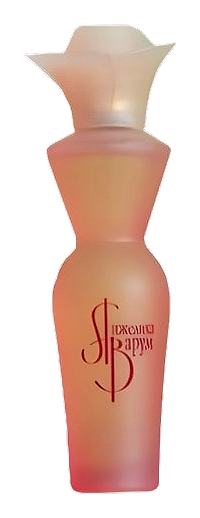
    Kalina is a fragrance house with roots in Eastern European perfumery, recognized for a collection that spans multiple decades. The brand gained visibility through collaborations with notable performers, including the fragrance Angelica Varum released in 1997, which later saw a reinterpretation with Angelica Varum Nota Serdca in 2002. Little verified public documentation exists regarding the founding circumstances or complete catalog of this house, placing it among the more discreet operations in the fragrance landscape.

    Russia
    1
    Fragrances
    4.5
    Avg rating
    Shop the collection
    SignatureAngelica Varum
    Angelica Varum
    EDT
    Community
    4.5
    Average rating
    across 1 fragrances
    Collection
    1
    Fragrances and counting

    Most loved

    Bestsellers from Kalina

    Angelica Varum by Kalina
    Kalina
    Angelica Varum
    4.5
    Compare prices
    Coming soonAngelica Varum Nota Serdca by Kalina
    Kalina
    Angelica Varum Nota Serdca
    4.1
    Coming soon

    Fresh in

    New from the house

    Angelica Varum by Kalina
    Kalina
    Angelica Varum
    4.5
    Compare prices
    Coming soonAngelica Varum Nota Serdca by Kalina
    Kalina
    Angelica Varum Nota Serdca
    4.1
    Coming soon

    Heritage

    A house, in its own words

    Establishing the precise heritage of Kalina proves challenging due to limited independently documented sources. What survives in fragrance circles references a house that operated at least from the late 1990s forward, suggesting an established presence during a period when Eastern European perfumery experienced renewed international attention. The name connection to Angelica Varum, a Russian pop performer, indicates the brand may have pursued artist collaboration as a primary market strategy during its active years. Several Russian and post-Soviet fragrance houses emerged during the 1990s and early 2000s, often developing loyal domestic audiences before broader recognition proved elusive. Without substantial archival material, the complete chronology of Kalina's founding, creative direction, and operational history remains fragmentary. The two documented fragrance releases suggest a deliberate, measured approach to the market rather than high-volume production.

    The philosophy underpinning Kalina's work, as inferred from available records, appears centered on personal artistry and cultural resonance. The decision to create a fragrance directly associated with a performing artist signals an intent to capture and translate individual creative identity into olfactory form. This approach treats fragrance as an extension of artistic persona rather than a purely commercial product. The extended development timeline, with a reinterpretation arriving five years after the original release, suggests careful attention to evolution and refinement rather than rapid market expansion. Such deliberate pacing in perfumery often reflects values prioritizing authenticity over aggressive growth.

    1997
    Release of Angelica Varum fragrance, directly associated with the Russian pop performer of the same name.
    2002
    Launch of Angelica Varum Nota Serdca, a reinterpretation expanding the original composition.
    2002
    Reported end of active documented fragrance production for the house.

    Did you know?

    Interesting facts

    01

    The name connection between the fragrance brand and Russian pop artist Angelica Varum represents an unusual direct linkage rarely seen in Western perfumery of the same era.

    02

    Angelica root, the signature ingredient reportedly used in the original fragrance, has been employed in perfumery since at least the Renaissance, primarily for its aromatic and fixative properties.

    03

    The five-year gap between the original fragrance and its reinterpretation suggests a deliberate development philosophy uncommon among commercial fragrance houses.

    04

    Limited English-language documentation exists for this house, placing it among the less internationally documented fragrance operations from the post-Soviet era.