The Story
Why it exists.
The beginning
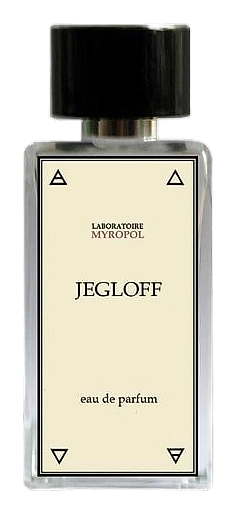
Jegloff arrived in 2017 from Andrey Oleynikov, the perfumer behind Myropol. That brief fits Jegloff closely. It opens with a clear wedge of lemon, bergamot, and orange, then moves into jasmine sambac, orange blossom, rose, and tea rose before grounding itself in leather, birch tar, labdanum, sandalwood, vanilla, musk, and oakmoss. The construction reads like a leather chypre with floral manners, pairing citrus brightness and white floral softness with a base that carries tar, leather, and moss. Nothing here is ornamental for its own sake. Every layer serves the composition's central idea, which is contrast between something freshly opened and something already weathered.
What makes Jegloff worth studying is the pivot from polished to elemental. The opening brings brightness, the kind that gets ignored because it works so easily. The heart keeps that clarity, but jasmine sambac and orange blossom bring a clean, soapy quality that reviewers specifically notice. Then the base arrives with birch tar and leather, and the whole thing turns. Tar is the pivot point. It takes the leather from a soft abstraction into something closer to smoke and char, while oakmoss and labdanum settle the composition into a mossy, earthy base.
The evolution
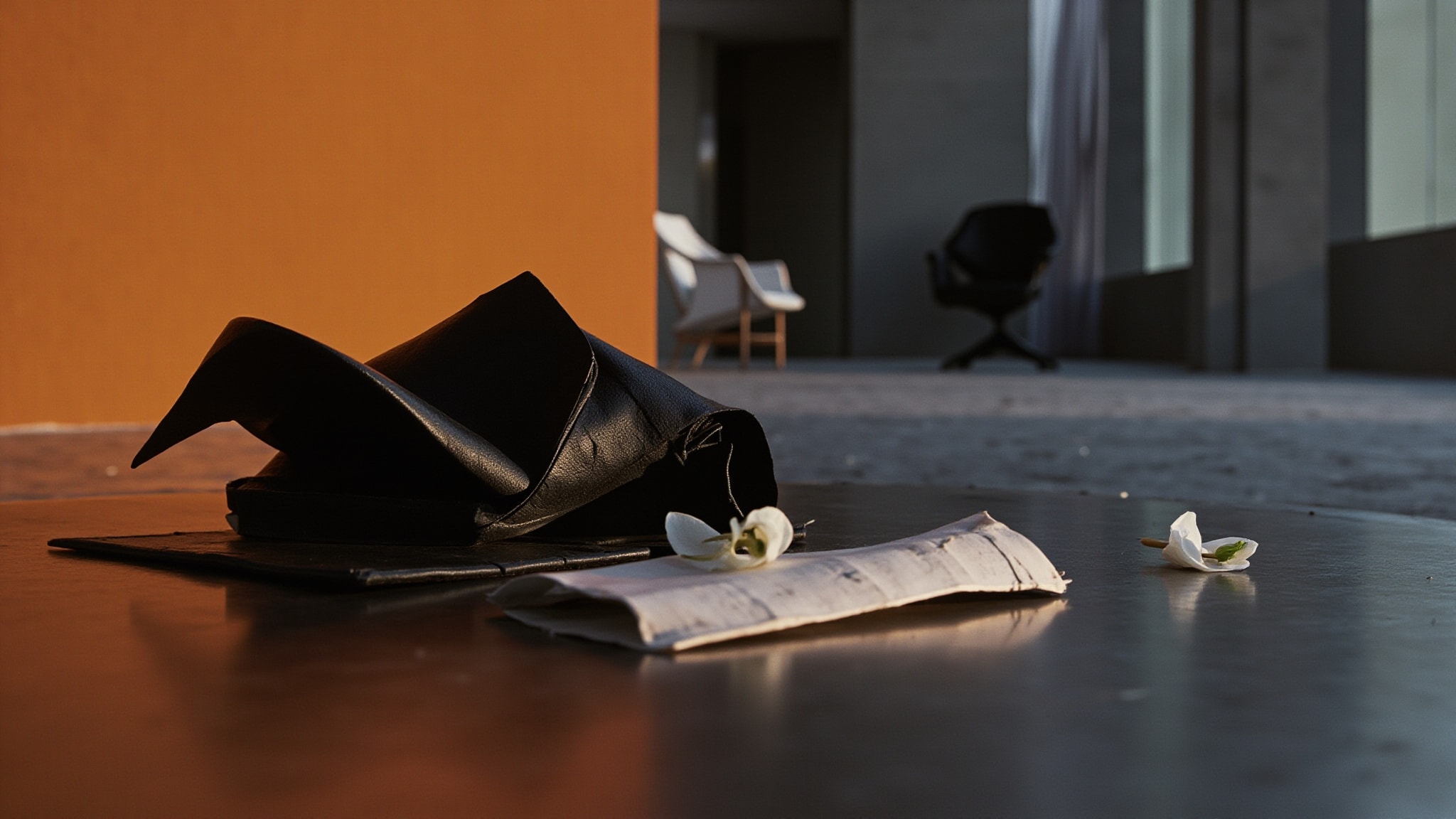
The first few minutes are all brightness and clean edges. Lemon and bergamot cut, orange lifts, and the whole thing reads polished, almost effervescent, like a florist's shop with the windows open. The white florals then take over, softening everything without losing that clean edge. Jasmine sambac and orange blossom arrive almost soapy, while rose and tea rose keep the heart from turning too sweet. Then birch tar changes the temperature. It doesn't replace the florals so much as smoke behind them, pulling leather and oakmoss up from underneath like a shadow crossing a floor. Labdanum and sandalwood round out the base, and vanilla keeps it from turning austere. By the time musk settles in, the composition has worn down to a quiet, close scent, still faintly floral at the edges, still faintly smoky underneath.
Cultural impact
Jegloff sits inside Myropol's register of aromatic study, the kind of fragrance made for someone who reads a note list as vocabulary rather than decoration. Wearers describe it as classic, stylish, and elegant, drawn to the combination of a soapy floral heart and a mossy, leathery base. The tar is the detail that gives this leather chypre its edge, taking the leather from something soft and abstract toward smoke and char while oakmoss keeps the composition grounded and earthy.
The House
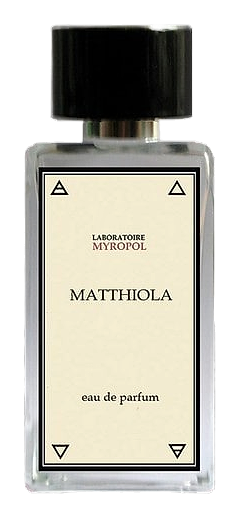
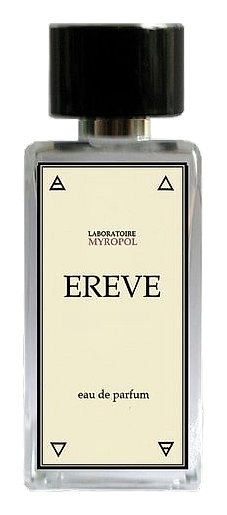
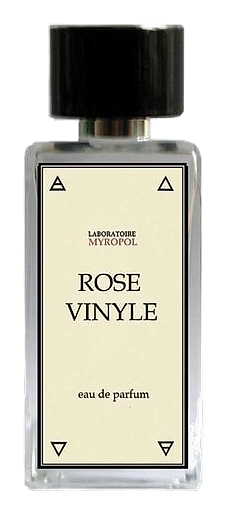
MyropolMyropol is a Russian niche perfumery house founded by Andrey Oleynikov, operating from Moscow with a distinct focus on botanical and conceptual fragrance composition. The house has developed a collection of twelve perfumes since at least 2010, ranging from delicate floral studies like Jacinthe and Matthiola to more complex compositions including Rose Vinyle, Ereve, and the 2017 release Pastel. Myropol occupies a particular position within the Russian niche fragrance landscape, offering an alternative to mass-market production through an approach centered on carefully sourced raw materials and considered formulation. The brand's catalog spans both single-note explorations and layered compositions that reference classical perfumery traditions while maintaining a contemporary sensibility. Each release carries the influence of its creator's background and artistic priorities, resulting in a body of work that prioritizes olfactory coherence and material quality over commercial appeal.
The Creator
Andrey Oleynikov / Андрей ОлейниковOleynikov's signature lies in smoke rendered with botanical precision rather than pyrotechnic showmanship. Where many perfumers reach for synthetic smoke molecules to deliver impact, he tends toward natural materials that achieve smoke through indirect means: herbal resins, ag…