The Story
Why it exists.
The beginning
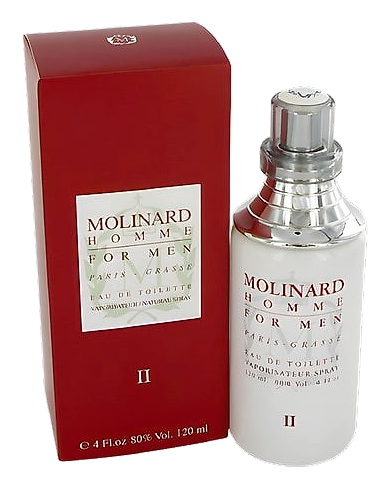
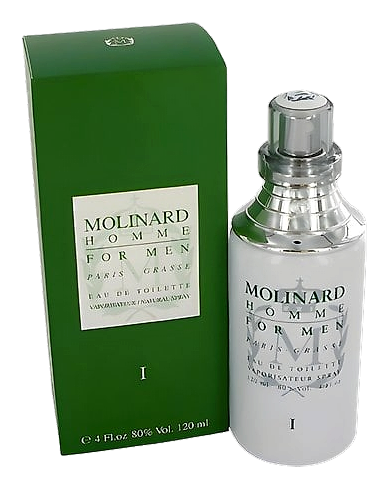
Molinard launched Homme I in 1996 as the opening statement of what would become a trio of masculine expressions. The house had experience with the fougère form, that classic French structure of lavender, oakmoss, and coumarin that defined men's fragrance for over a century. But Homme I chose a different direction. Reserved. Aromatic. The composition leans on herbs and greens, on a quiet confidence that speaks softly rather than shouts. It doesn't announce itself; it waits to be noticed. The blend moves through its elements with patience, allowing each note room to breathe before the next arrives. This is fragrance as conversation starter, not interruption.
The note structure is deliberate in its restraint. Lavender and myrrh together create an aromatic-resinous tension, the lavender pulls clean and cool, while the myrrh adds a warm, slightly medicinal depth underneath. Cloves are the surprise: they're warm spice, but sharp, keeping the opening from settling into anything soft too quickly. The geranium and myrtle keep the green notes present throughout the heart, while the cedar and guaiac wood provide structure without heaviness. It's a fougère that earns its classification, not through any single dominant note, but through the way the herbal and woody elements hold each other in balance.
The evolution
The opening hits clean. Lavender and myrrh arrive together, with geranium and cloves in support, aromatic, slightly medicinal, green without being sharp. It reads like the first breath after stepping out of a warm room into cool air. A brief mint note adds coolness that interrupts the warmth before the cedar takes over. The heart is where this fragrance earns its classification. Cedar and guaiac wood settle in with the remaining green notes, creating an herbal-woody character that feels complete rather than transitional. Patchouli and oakmoss do not arrive all at once; they emerge slowly as the cedar begins to soften, gradually replacing the herbal character with something earthier and mossier. The fragrance becomes a study in green decay: vetiver, oakmoss, patchouli. The myrrh has faded but left a faint resinous warmth lingering beneath.
Cultural impact
Molinard Homme I offered aromatic restraint where others sought projection. Moderate sillage, a fougère that preferred conversation to declaration. It appeals to those who want refinement over assertion. Now discontinued, the fragrance remains notable for its quiet confidence, a reminder that masculine perfumery does not require volume to make an impression.