The Story
Why it exists.
The beginning
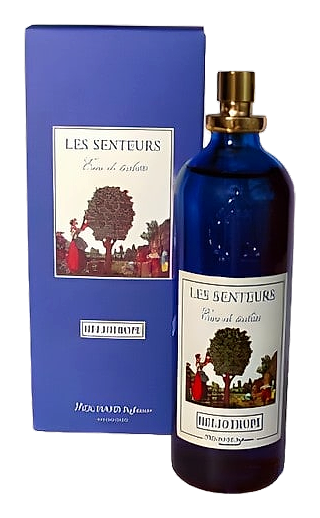
Heliotrope by Molinard first appeared in 1849, an early date for what would become one of the maison's most quietly enduring compositions. The fragrance was built around the heliotrope flower itself, a bloom that has carried a particular kind of sweetness through the history of perfumery, soft and distinctly almond-edged, the kind of scent that reads less like a single ingredient and more like an entire mood. At a time when many houses leaned on bold orientals or sharp colognes, here was something quieter: a single botanical idea given room to breathe on its own terms. The composition feels almost editorial in its restraint, like a page with nothing on it but one careful sentence.
What makes Heliotrope distinctive is how the maison treats the flower not as a single note but as a thread running through the whole composition. The leading accord of heliotrope reads powdery and almond-sweet, the soft coumarin warmth that the flower is known for. Supporting notes of ylang-ylang, rose, jasmine, and iris build a white floral architecture around it, each element cushioned against the others so nothing juts forward alone.
The evolution
On skin, Heliotrope opens with a soft sweetness that reads almost edible, like the first minutes of a pastry cooling on a rack. The almond warmth of the heliotrope dominates, cushioned by something faintly creamy underneath. As the first half hour passes, the white florals arrive, jasmine and rose stepping forward without ever sharpening, lending the composition a soaped, slightly milky dimension. Over the next stretch of wearing, the powder deepens. The iris comes forward, dry and violet-edged, and the almond sweetness recedes into something quieter, almost like the inside of a wooden jewelry box. The drydown is intimate and long, a lactonic warmth that clings to skin well into the next day, never loud, never demanding attention, but stubbornly present on fabric come morning. Each phase of the wear feels less like a new fragrance and more like the same one exhaling slowly.
Cultural impact
Heliotrope occupies an unusual position in modern fragrance. It is old enough to feel inherited, specific enough to divide opinion, and soft enough that it never registered as a mainstream launch. In the collector community, the fragrance tends to surface in conversations about the gentler end of the vintage spectrum, often alongside other powdery white florals from the same era. On aggregator sites where wearers leave their impressions, the comments lean toward the personal and domestic: descriptions of comfort, of softness, of scents that remind people of older relatives or particular rooms.