The Story
Why it exists.
The beginning
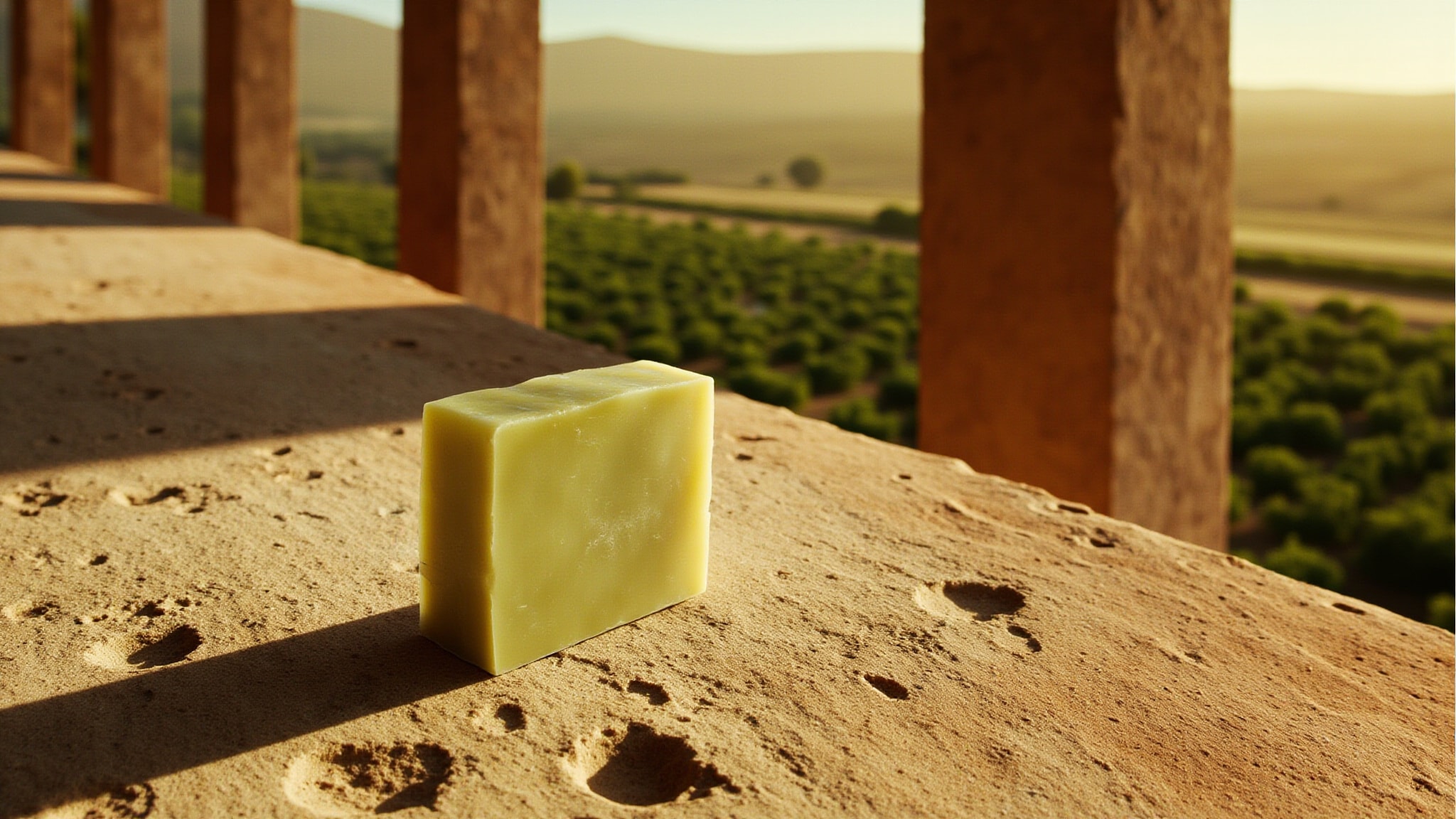
Comme des Garcons, the Tokyo-born fashion house founded by Rei Kawakubo in 1969, has built a fragrance wardrobe defined by refusal. From Checkerboard to Wonderwood, the house treats perfume as conceptual territory rather than mere beauty product. Marseille extends this philosophy into culturally specific terrain. Perfumer Quentin Bisch was tasked with translating Savon de Marseille, a specific olive-oil bar soap produced in the south of France for centuries, into liquid form. The brief was not nostalgia but interrogation. What does authentic cleanliness smell like when stripped of conventional perfumery conventions?
The choice of oranger crystals and petalia as the heart materials was not accidental. These are not the typical orange blossom absolutes found in mainstream perfumery. Oranger crystals offer a more concentrated, slightly bitter citrus character that bridges the herbal opening and the warm base. Petalia, a Givaudan captive molecule with a soft, rosy quality, adds dimensionality without introducing the expected floral sweetness. Together, these materials honor the Mediterranean landscape that produced Savon de Marseille while pushing the concept into contemporary olfactory territory.
The evolution
The fragrance opens with the sharp, herbal immediacy of French soap, that distinctive blend of olive oil, herbs, and citrus peel that has cleaned Provencal hands for generations. Neroli amplifies the bitter-orange blossom dimension inherent in true Savon de Marseille. As the top notes recede, oranger crystals emerge, concentrated and sweet, coating the herbal foundation in warm citrus. Petalia smooths this transition with its soft rose and velvet texture. By the drydown, cosmone and ambroxan have taken over, creating a warm, skin-close finish that feels neither synthetic nor heavy.
Cultural impact
Marseille earned a specific audience: people who already know Savon de Marseille, and people who are curious about what soap smells like when it's taken seriously as a perfume concept. It found its footing among reviewers who gravitate toward the CdG label's other conceptual pieces. Not a crowd-pleaser, but a conversation-starter. The fragrance makes a case for taking humble references and treating them with the same seriousness as any grand tradition.