Oranger Crystals
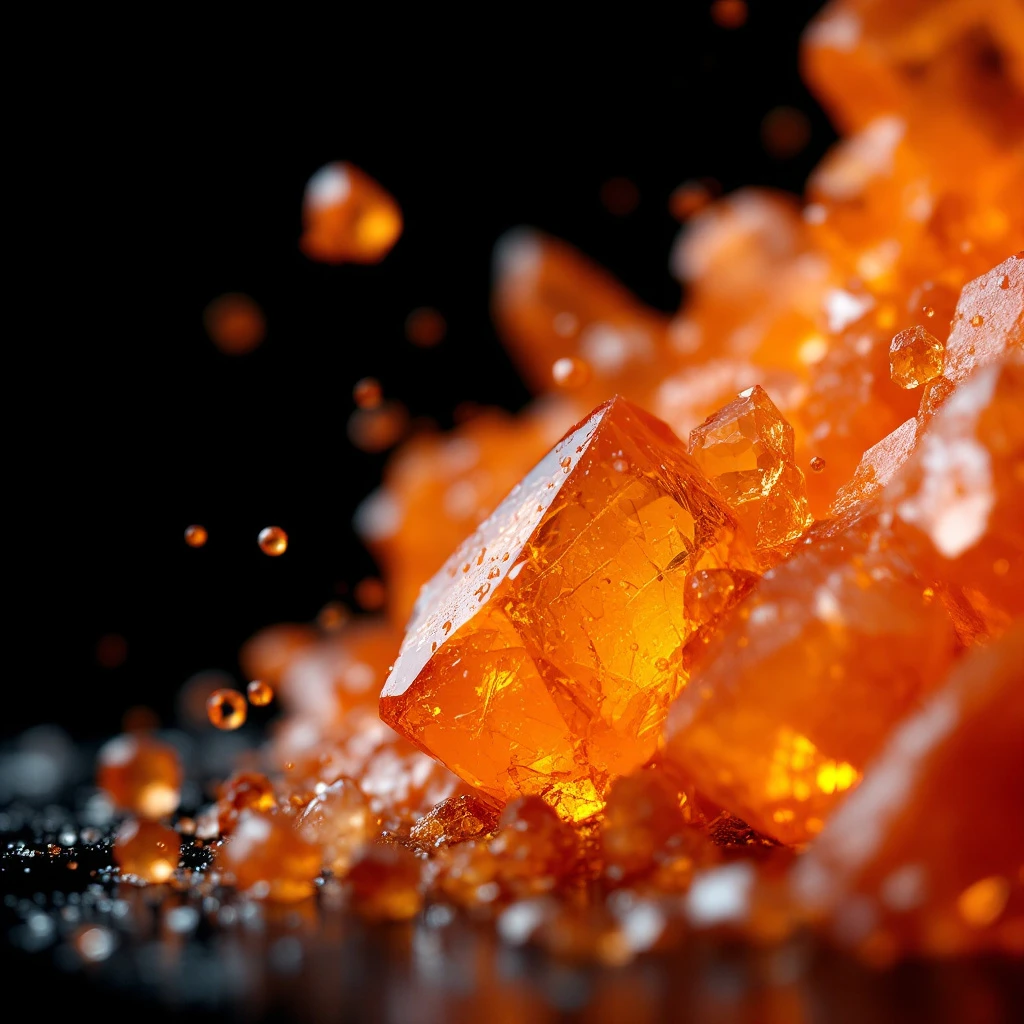
Oranger Crystals capture the luminous, buttery sweetness of orange blossom in a fine crystalline powder. This synthetic aroma chemical delivers exceptional longevity, making it a cornerstone of floral perfumery since the early 1900s.
Character
How it smells
Orange blossom captured in crystal form.
This synthetic was among the first ketone-based aroma chemicals developed specifically for perfumery, designed to recreate orange blossom when natural extraction proved inconsistent.
Pairs beautifully with
Origin
Switzerland
The development of Oranger Crystals traces to the late 19th century, when advances in organic synthesis opened new possibilities for fragrance creation. Following the 1850s Bronze Age origins of perfumery manufacturing, chemists began systematically exploring aromatic compounds beyond natural extracts. Beta-naphthyl methyl ketone emerged as researchers targeted specific scent profiles, developing ketone structures that could reliably replicate floral notes like orange blossom.
Natural neroli and orange flower absolutes had always been expensive and variable, dependent on citrus harvests and distillation yields. The synthetic alternative democratized access to this beloved note. By the early 1900s, Oranger Crystals appeared in French and Swiss fragrance houses, prized for its tenacity and adaptability.
The compound became foundational in creating orange blossom accords without relying on seasonal crops, enabling year-round production of consistent floral fragrances.
Wears it best
Fragrances featuring Oranger Crystals
Brands
Brands known for Oranger Crystals
Good to know
Questions, answered
The essentials on Oranger Crystals in perfumery: how it smells, where it comes from, and how it behaves on skin.
What does Oranger Crystals smell like?
It delivers a sweet, buttery orange blossom scent with neroli facets. The note is floral, clean, and notably long-lasting compared to natural orange blossom materials.
Is Oranger Crystals natural or synthetic?
It is entirely synthetic. Beta-naphthyl methyl ketone is produced through controlled organic synthesis, ensuring consistent aroma profile batch to batch.
What type of fragrance compounds does Oranger Crystals work well with?
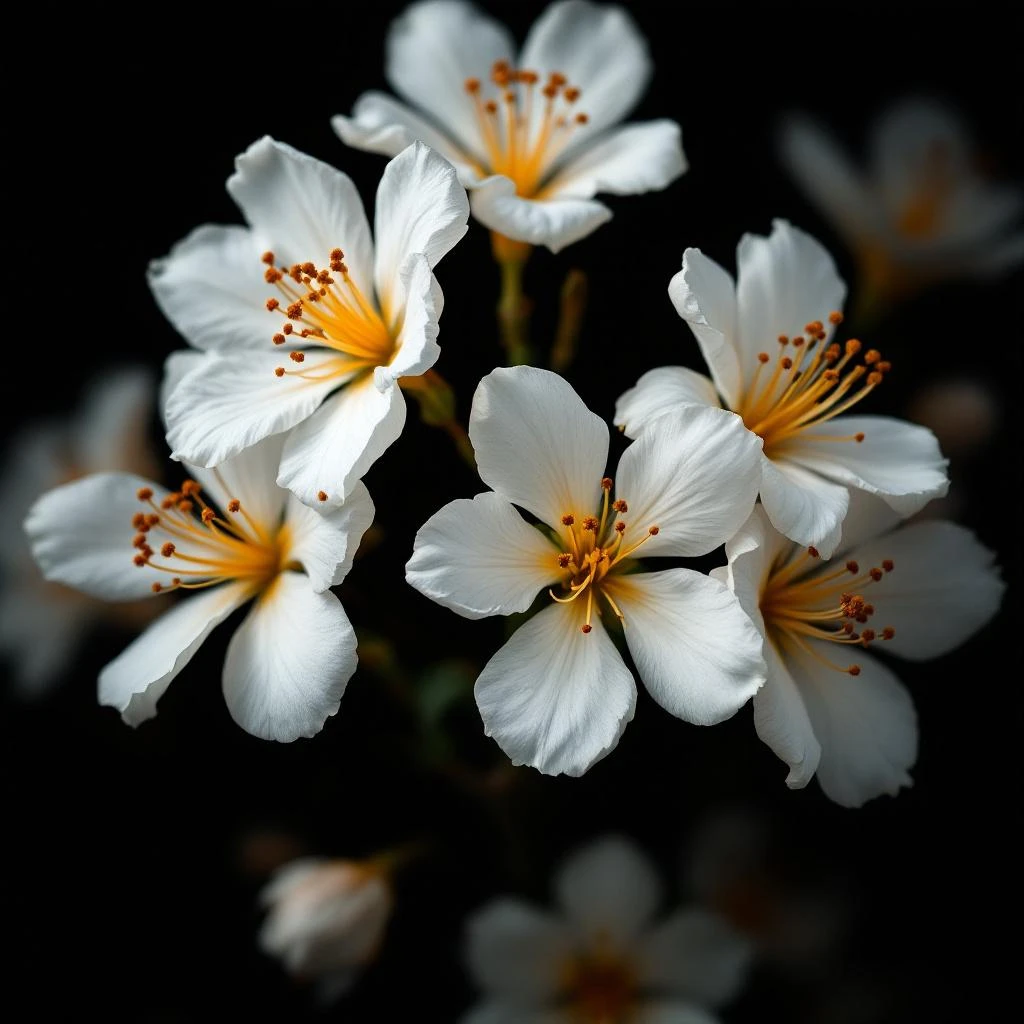
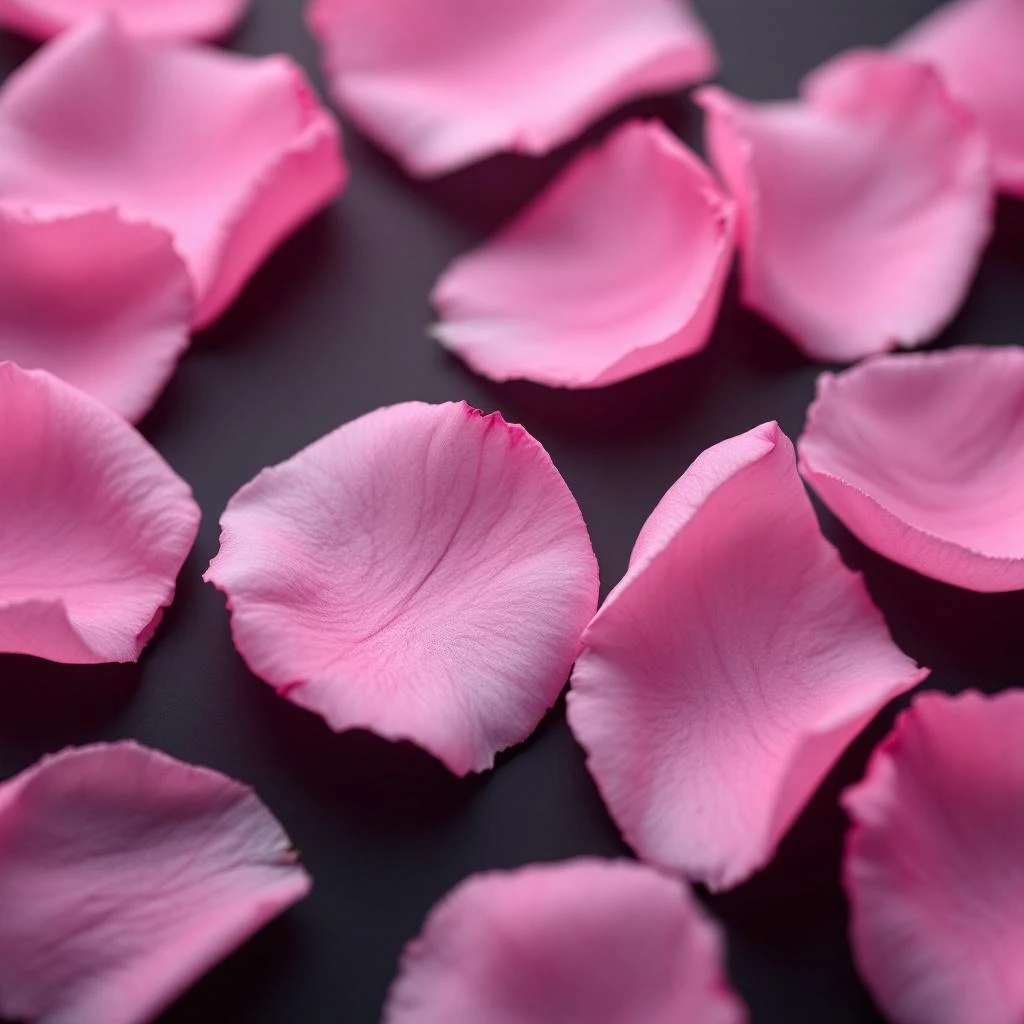
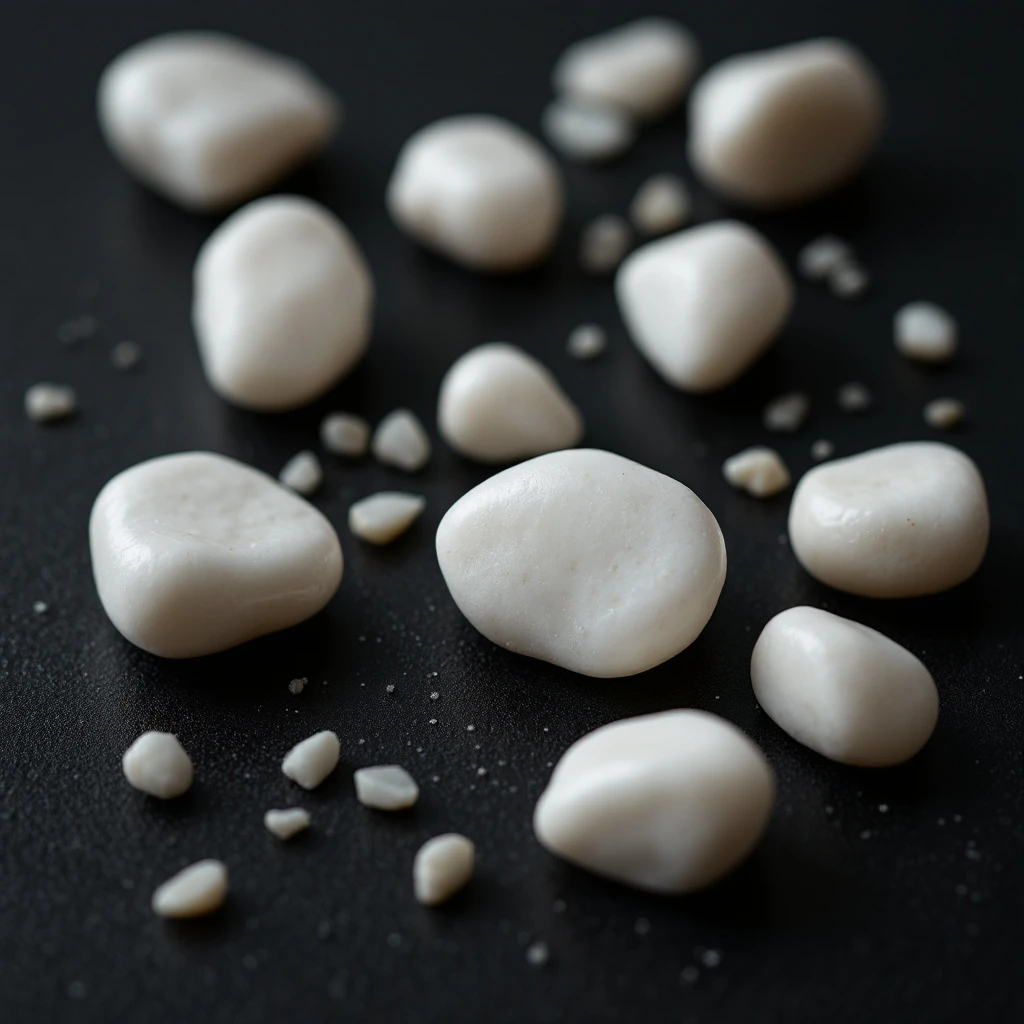
It pairs naturally with other florals including jasmine, rose, and ylang ylang. It also harmonizes with citrus materials and woody bases like sandalwood.
How long does the orange blossom note from Oranger Crystals last?
It excels in longevity. The synthetic structure provides exceptional tenacity on skin, making it effective in heart and base positions where durability matters.
When was Oranger Crystals first developed?
Perfume historians date its introduction to fragrance formulations to the early 1900s, following late 19th century advances in organic chemistry synthesis techniques.
Does Oranger Crystals appear in both fine fragrance and flavor applications?
Yes. Beyond perfumery, the compound serves flavor enhancement roles. It contributes sweet, orange-type notes in food and beverage applications.
What fragrance families use Oranger Crystals most often?
Floral fragrances rely on it most heavily, particularly white floral and citrus-floral compositions. It also appears in chypre and modern woody-floral structures.
Why do perfumers choose Oranger Crystals over natural orange blossom?
Consistency and cost drive the choice. Natural neroli and orange flower absolutes vary seasonally and remain expensive, while the synthetic delivers predictable orange blossom character at scale.