The Story
Why it exists.
The beginning
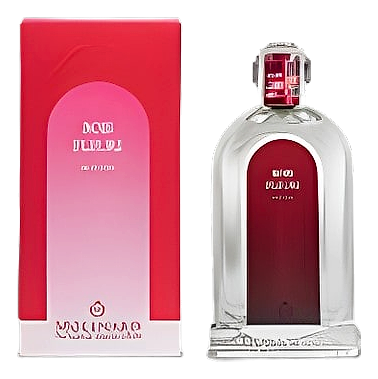
Bois Fleuri arrived in 2007 from Molinard. The name translates simply as 'flowering wood,' a quiet evocation of a place where blossoms meet the green edge of foliage. There is no theatrical backstory here, no elaborate myth to wade through before you reach the juice. The fragrance knows what it wants to be: a soft, green-leaning floral that wears its simplicity with intention. It opens with a bright fruit-floral combination, tangerine lending its sun-warmed zest and raspberry dropping in with a softer, jammier sweetness, both lifted by a clean touch of green notes that keep the brightness from tipping into sugary territory. As the hours pass, the composition settles into a powdery, slightly woody base where the white musk does quiet, steady work.
What makes Bois Fleuri distinctive is its restraint. The composition works with a tight cast: three top notes, three heart notes, a single base note. No amber, no patchouli, no weight. White musk does the anchoring duty alone, which keeps the whole structure hovering rather than settling. The cyclamen and ivy pairing in the heart is unusual; cyclamen brings a watery, almost cool freshness while ivy adds a green, vine-shaded quality that reads as leaves and stems rather than petals.
The evolution
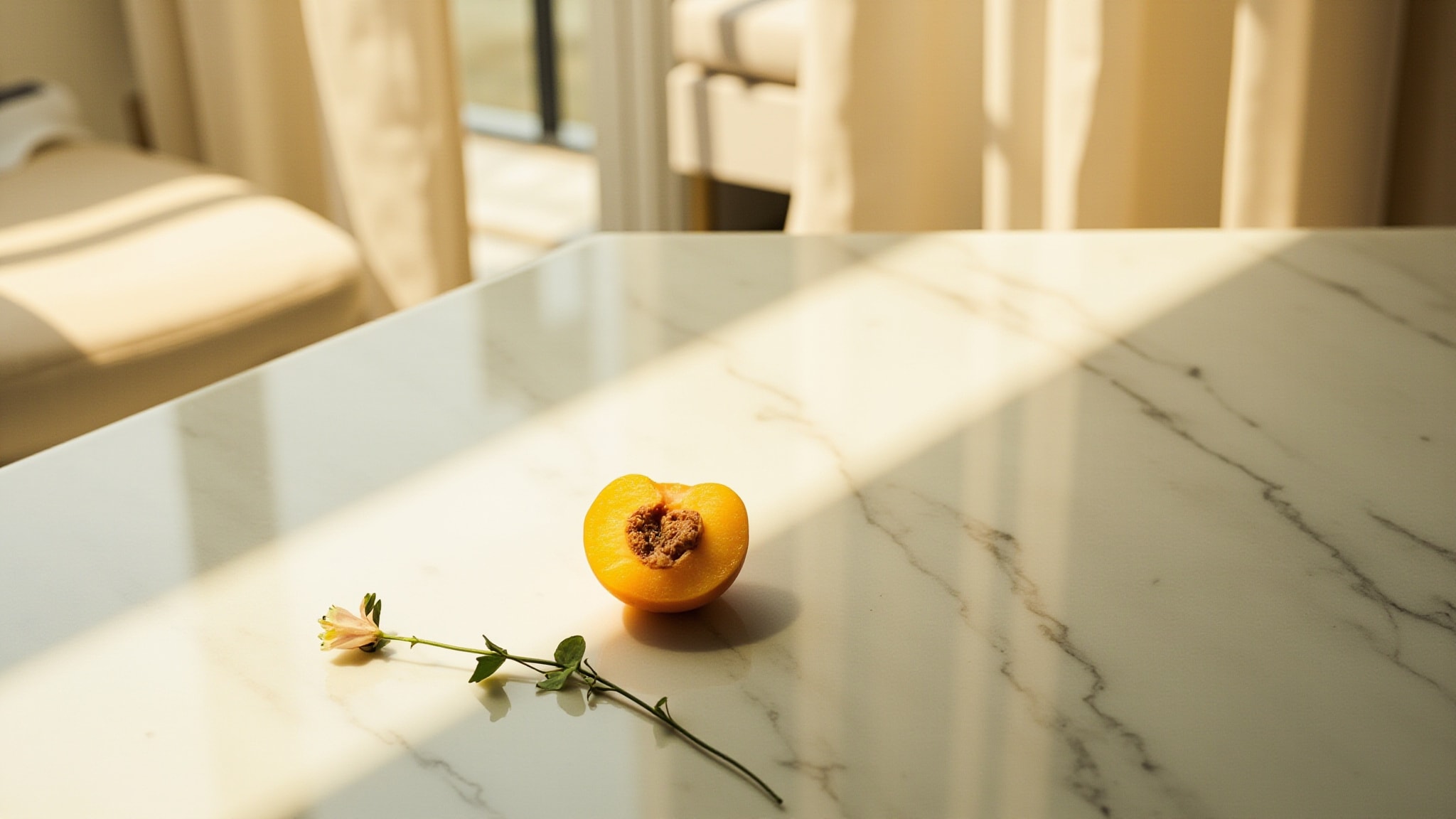
The first ten minutes belong entirely to the fruit. Apricot arrives soft and immediate, joined by the clean-pepper brightness of freesia and the honeyed lift of orange blossom. The opening reads like biting into ripe stone fruit on a warm morning. Then it shifts. The fruit recedes without disappearing, and the green heart takes over: cyclamen's cool wateriness blends with ivy's shaded-leaf quality, and jasmine threads faintly through the middle without ever shouting. The transition is gentle rather than dramatic. After about 90 minutes the whole composition moves toward the musk base. White musk here is soft and slightly sweet, almost skin-like, and it carries the ghost of everything that came before. By the 4-hour mark the scent has pulled in close, wearing more like a freshly laundered, sun-warmed memory than a perfume. What lingers the longest is the apricot's fuzzy sweetness meeting musky skin, a clean warmth that stays subtle until the end.
Cultural impact
Bois Fleuri sits in the quieter corner of the floral genre. It's the sort of fragrance that doesn't demand attention from across a room, preferring instead to work in closer range where its powdery, green-leaning character has space to breathe. Within the broader category of soft florals, it occupies a specific niche: lighter than the powdery aldehydics, greener than the indolic white florals, and considerably more restrained than the bold fruity-florals that dominate department store counters. The scent wears comfortably across warmer months, where its fresh opening and clean musk base suit the season's lighter textures and brighter fabrics.