
The Story
Why it exists.
The beginning
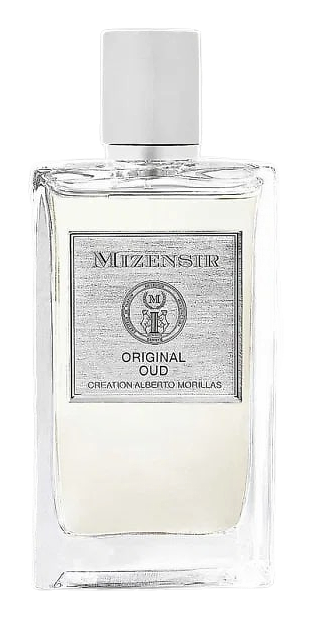
Original Oud arrived in 2016, carrying a brief simple enough to say out loud: a fresh and earthy aroma inspired by a Laotian forest, dense with a few rays of sunshine, bound together with leather and iris. The composition reads as a place rather than a product, a sense of canopy and warmth and the quiet weight of wood, assembled without ornament. There's an intentional understatement running through every choice, a refusal to dress the formula in anything louder than the materials themselves. What you get is forest translated into scent, the green of foliage softened by sun, the dry pull of leather and iris giving it shape. No mention of opulence. No reference to tradition.
The unusual move here is what's left out. Morillas uses Laotian oud as a shadow rather than a star, allowing it to deepen the composition from underneath instead of demanding the spotlight. Gurjun balsam takes the structural role oud typically would, lending a woody backbone to the formula. Orris absolute keeps the whole thing lifted, cool against the warmth of the resins and leather, hovering close to the skin rather than projecting outward.
The evolution
The opening is quick, almost polite. Green cardamom sets a spicy brightness in the first minutes, joined by Bourbon geranium. This isn't a thunderclap opening. It's a handshake. Then the heart takes its time arriving, and when it does, it replaces brightness with something denser. Gurjun balsam arrives with a brittle, rough quality, and the leathery notes fold in alongside orris absolute's powdery cool. The warmth here comes from restraint. Nothing screams. From a couple of hours in, the base settles properly, and this is where Original Oud earns its name. Ceylonese sandalwood lays down a smooth foundation. Limbanol extends the woody character. The aromatic chemical Z11 stretches the trail further into the dry hours.
Cultural impact
Original Oud operates in a register where oud is treated as a quiet structural material rather than a showpiece. The composition borrows more from the world of understated leather fragrances than from the louder traditions of oud-centric perfumery, and that positioning shapes who reaches for it. The use of Laotian oud signals a deliberate ingredient choice, the kind of sourcing decision that draws wearers interested in where a material comes from and how it's grown, not only in how it smells once it's blended.