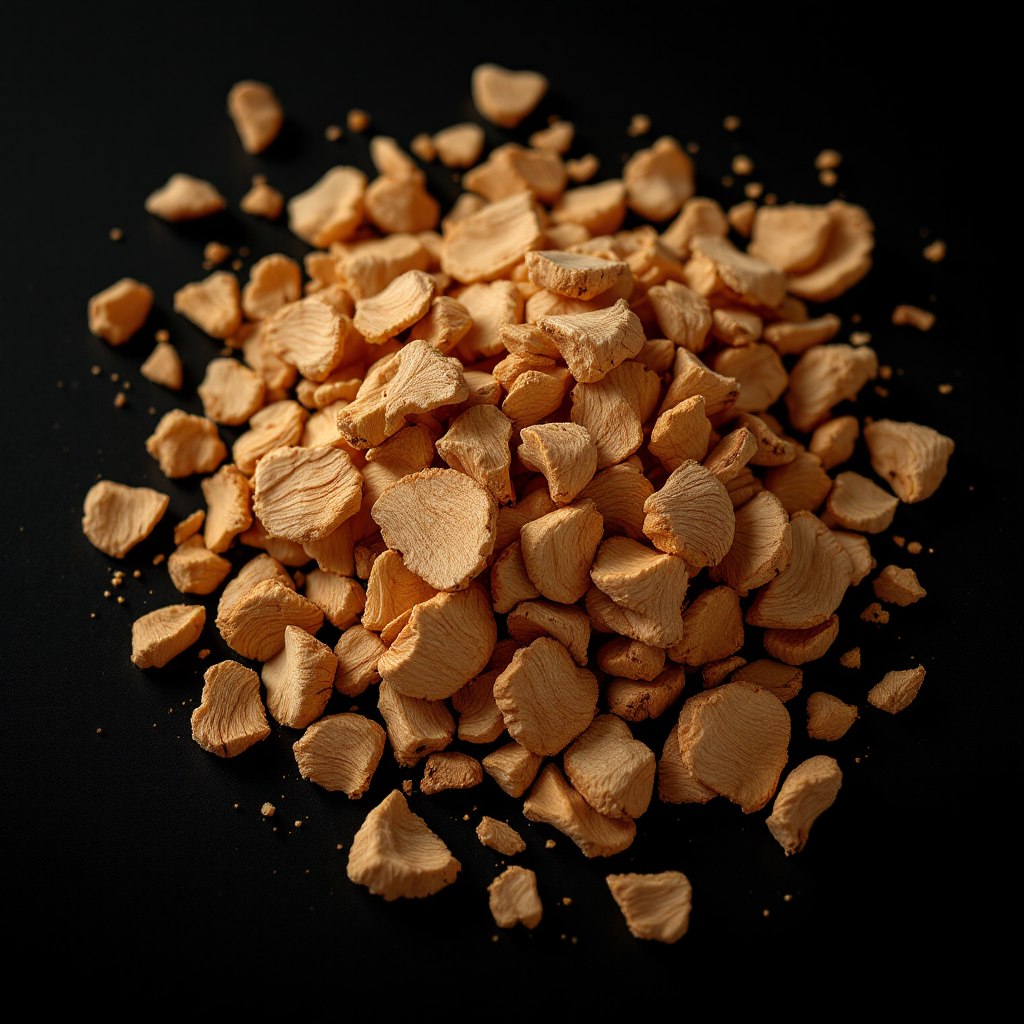
Limbanol
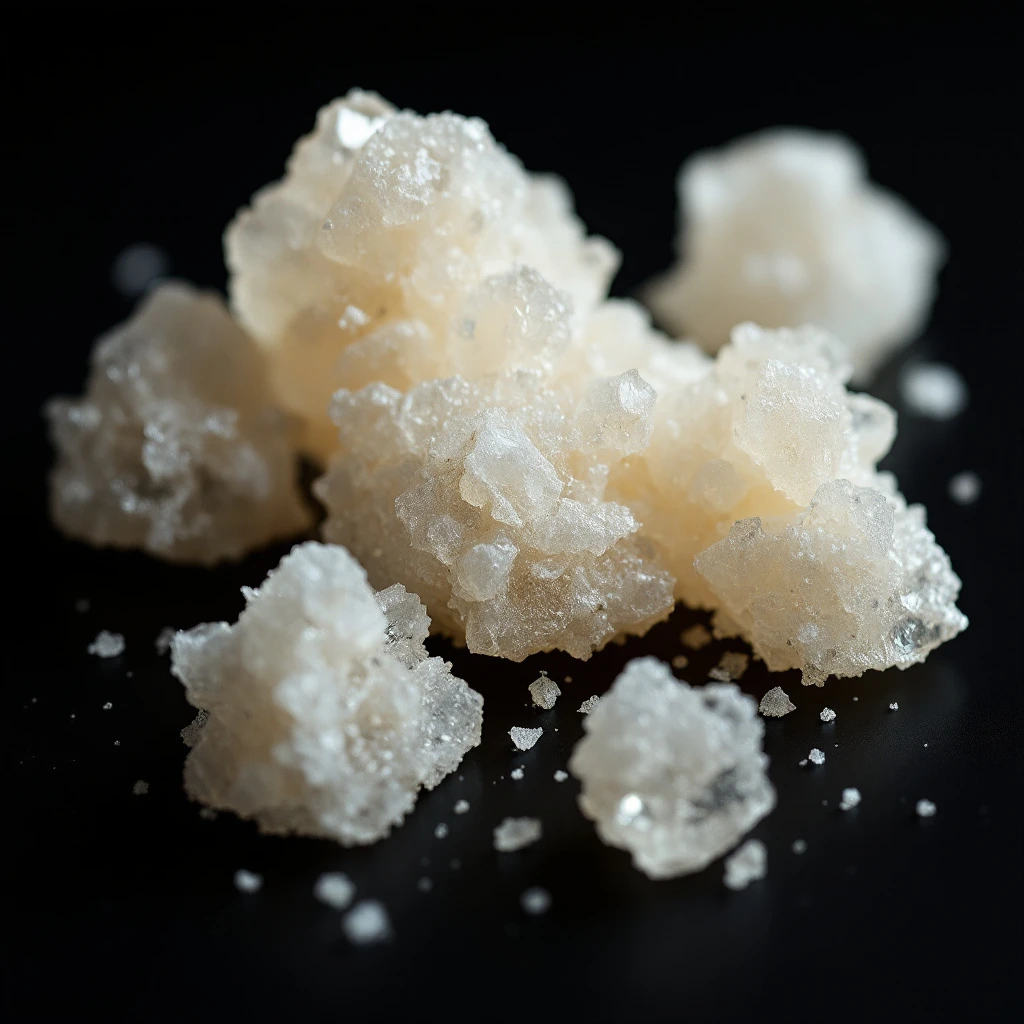
Limbanol is a synthetic aroma chemical prized in fine perfumery for its ability to capture and enhance citrus and lime-like qualities that would otherwise require rare or expensive natural materials.

Character
How it smells
Synthetic citrus chemistry that brings consistent lime freshness to fragrance.
The molecular structure of Limbanol was designed to replicate the bright, zesty上扬 character of fresh lime peel at a fraction of the cost of natural citrus oils.





Origin
Switzerland
The modern perfume industry transformed when organic synthesis arrived in the 19th century. Before this shift, perfumers faced real limitations: natural citrus oils varied by season, climate, and harvest, making consistent fragrance production difficult. The ability to engineer aromatic molecules changed that entirely.
Compounds like Limbanol emerged as perfumers learned to construct specific scent profiles atom by atom, moving beyond the constraints of natural ingredient scarcity. This democratization of citrus notes made fresh, bright fragrances more accessible and affordable, reshaping what perfumery could achieve.
Wears it best
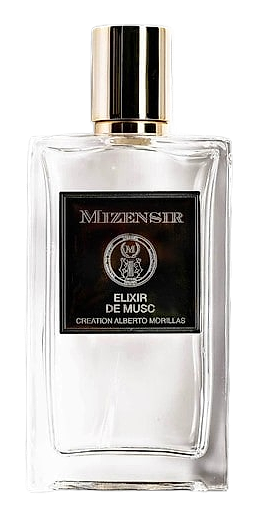
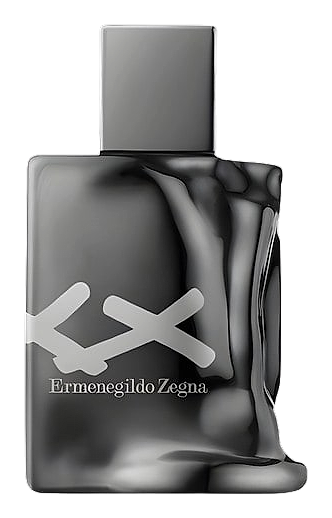
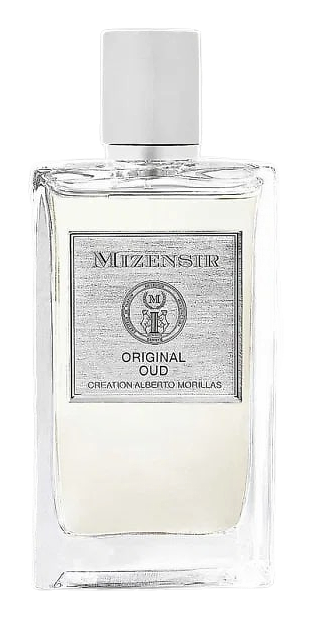
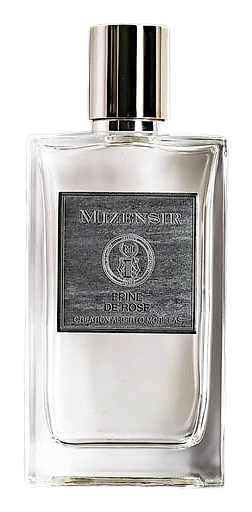
Fragrances featuring Limbanol
Brands
Brands known for Limbanol
Good to know
Questions, answered
The essentials on Limbanol in perfumery: how it smells, where it comes from, and how it behaves on skin.
Is Limbanol a natural or synthetic ingredient?
Limbanol is a fully synthetic aroma chemical. It is designed in a laboratory to replicate specific citrus and lime-like aromatic qualities found in nature.
What does Limbanol smell like?
Limbanol delivers a fresh, bright citrus character with clear lime and green notes. It adds lift and sparkle to fragrance compositions without the variability of natural citrus oils.
Is Limbanol safe for use in consumer products?
When used within International Fragrance Association guidelines, Limbanol meets safety standards for cosmetic and fine fragrance applications. Always consult IFRA regulations for specific usage limits.
What fragrance families use Limbanol?
Limbanol appears most often in citrus, fresh, and green fragrance families. It also works well in modern woody and aromatic compositions where a clean citrus lift is desired.
Why use a synthetic citrus ingredient instead of natural lime oil?
Natural citrus oils can oxidize quickly, causing scent drift and shorter shelf life. Limbanol provides consistent citrus character with excellent stability across a wide pH range and product formats.
Does Limbanol act as a fixative in fragrance?
Yes. While primarily valued for its citrus qualities, Limbanol contributes to overall fragrance substantivity, helping top notes remain detectable longer on the skin.
What is the chemical structure of Limbanol?
Limbanol is a synthetic aromatic molecule engineered to mimic the bright, zesty character of fresh lime peel. Its specific structure provides predictable olfactory performance.
Can Limbanol be combined with natural citrus materials?
Absolutely. Limbanol pairs well with natural citrus oils and extracts, allowing perfumers to strengthen and stabilize natural accords without sacrificing authenticity.