Z11
Z11 (Ambraketal) is a synthetic base note delivering clean woody-amber warmth that anchors modern fragrance compositions. This biotech-created material brings smooth, renewable foundation across fragrance families.

Character
How it smells
Clean woody-amber warmth from white biotechnology.
Mugler's Angel (1992) famously overdosed Z11, helping launch the entire gourmand fragrance revolution.



Origin
Switzerland
Z11 emerged from Firmenich's amber research program, which began decoding the complex composition of natural ambergris in the 1930s. The molecule made its debut as part of Firmenich's Fixobois base, finding early application in Chanel No 19.
Its breakthrough came in L'Artisan Parfumeur's Vanilia (1978), where perfumer Jean Laporte used trace amounts to add subtle warmth. But Z11 truly reshaped perfumery when Oliver Multon overdosed it in Mugler's Angel (1992), creating the massive sillage and sweet woody-amber character that defined the burgeoning gourmand genre and influenced countless fragrances to follow.
Wears it best
Fragrances featuring Z11
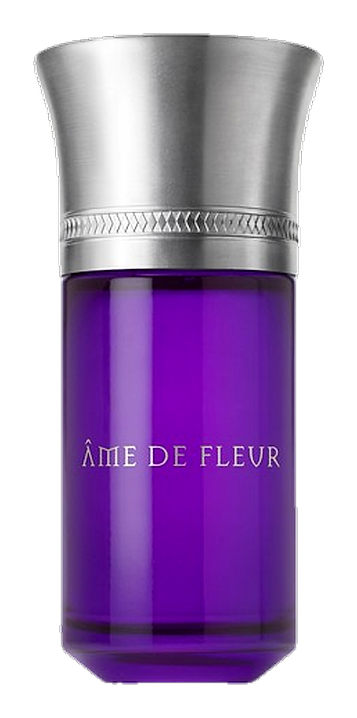
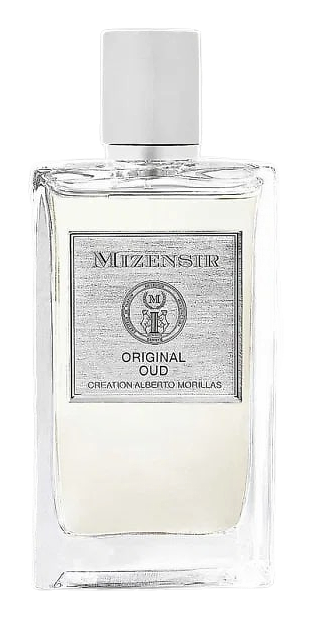
Brands
Brands known for Z11
Good to know
Questions, answered
The essentials on Z11 in perfumery: how it smells, where it comes from, and how it behaves on skin.
What does Z11 smell like?
Z11 delivers clean woody-amber warmth with a smooth, slightly sweet character. It functions as a base note that adds depth and warmth without heaviness, making compositions feel rounded and cohesive.
Is Z11 natural or synthetic?
Z11 is fully synthetic, created through white biotechnology fermentation. This biotech process produces the Ambraketal molecule using engineered microorganisms and green chemistry principles, making it renewable and sustainable.
When was Z11 first used in perfume?
Z11 debuted in trace amounts in L'Artisan Parfumeur's Vanilia in 1978. It had earlier appeared as part of Firmenich's Fixobois base in Chanel No 19, though its presence was not attributed to Z11 at that time.
What perfume made Z11 famous?
Mugler's Angel (1992) famously overdosed Z11, creating the fragrance's signature massive sillage and sweet woody-amber character. This overdose helped launch the entire gourmand fragrance revolution.
How is Z11 produced sustainably?
Firmenich (now dsm-firmenich) produces Z11 using white biotechnology fermentation with proprietary green chemistry. This renewable process ensures stable quality and reliable supply without depending on natural ambergris availability.
What fragrance families use Z11?
Z11 appears across multiple fragrance families including woody, amber, oriental, and gourmand compositions. Perfumers value it as a foundation material that adds warmth and cohesion to various fragrance types.
What is the chemical name of Z11?
Z11 is chemically known as Ambraketal. Its molecular structure creates the characteristic woody-amber aroma that mimics and enhances natural ambergris notes in perfumery.
Does Z11 occur in nature?
Z11 does not occur naturally in significant quantities. Its molecular structure was identified through research into natural ambergris composition, then recreated using biotech fermentation for consistent production.