The Story
Why it exists.
The beginning
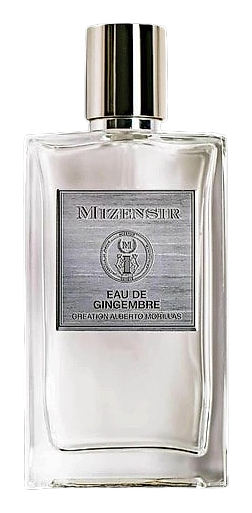
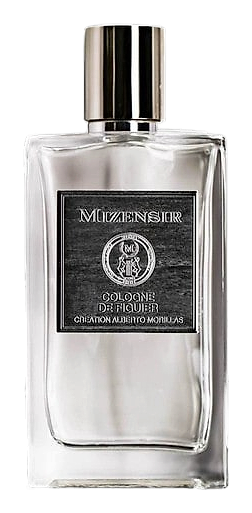
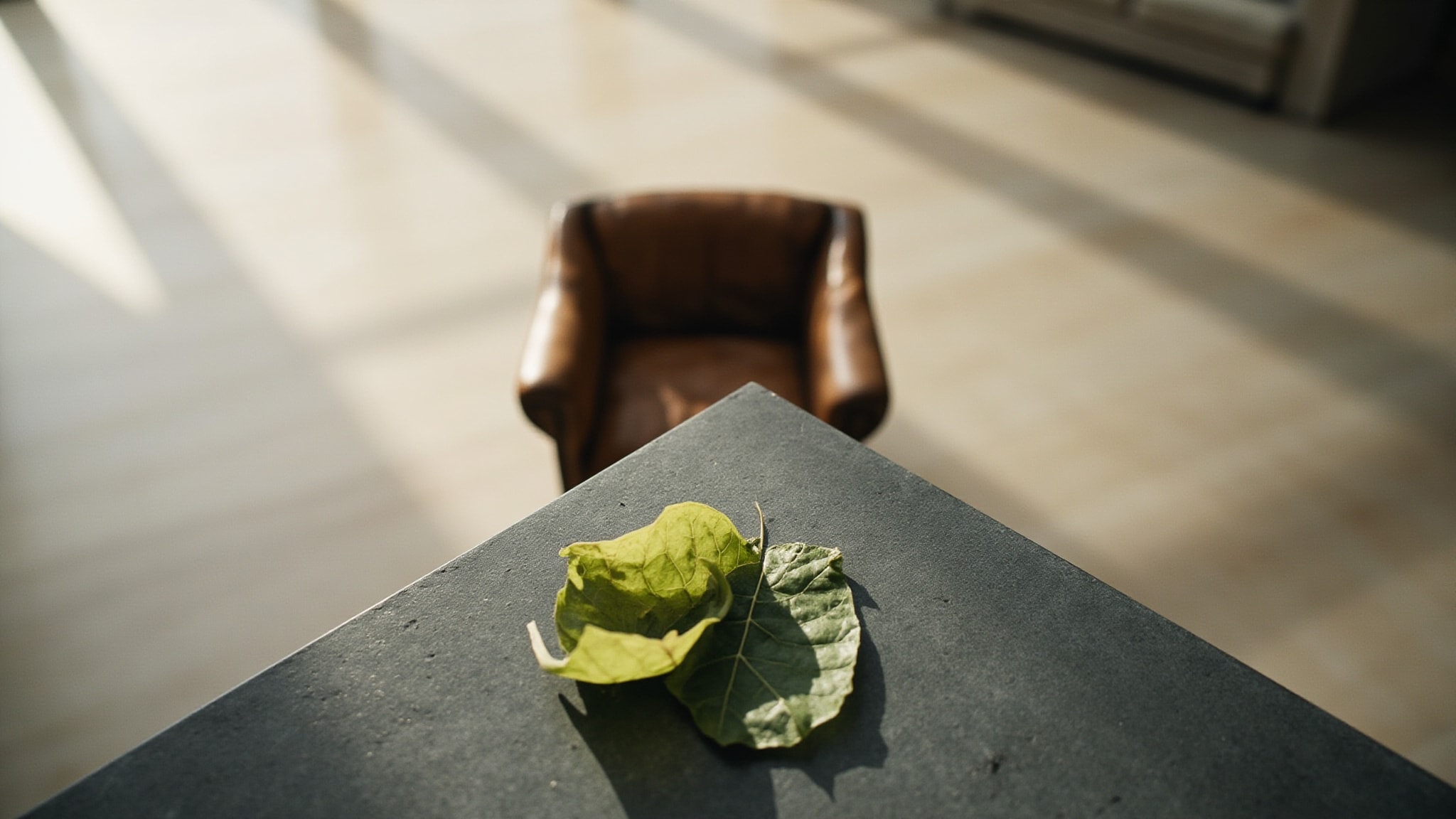
COLOGNE DE FIGUIER began with a single gesture: take a fig leaf, rub it between your palms, then smell your hands. Alberto Morillas built the entire fragrance around that moment, an act so ordinary it had never been claimed as the subject of a perfume. Fig is rarely the green in a composition. It's usually the fruit, the sweetness, the cream. Here, the leaf is the point. Morillas translated that crushed-leaf accord into a cologne designed to stay close to the skin, intimate in the way that gesture always is, green without ever becoming grassy.
The note structure is what makes this unusual. Fig leaf accord with galbanum and pink pepper creates a green-heart tension that most fig fragrances avoid entirely. Galbanum is one of perfumery's most aggressively vegetal materials, it doesn't soften, it pushes. Pink pepper gives it somewhere to lean. The base of ambroxan, Cetalox, and Vulcanolide resolves that tension by going cool, mineral, almost ozonic. The contrast between the green opening and the mineral drydown is the whole point. It's a cologne that gets more interesting the longer you wear it.
The evolution
The first thirty minutes belong to the citrus. Bergamot and grapefruit arrive bright, almost sharp, before the galbanum takes over and the whole composition shifts green. Not sweet-green. Green like a stem snapping. That phase lasts roughly two hours before ambroxan begins to surface, that cool, mineral ozonic quality that changes the temperature of the fragrance without changing its character. The drydown settles into skin. Cetalox and Vulcanolide hold the base together, clean and close, with the fig leaf accord still faintly present underneath. Total arc: six to eight hours on most skin types. The mineral facet is what people remember the next day.
Cultural impact
Cologne de Figuier arrived in 2019 as part of a broader shift in niche perfumery toward green materials as primary protagonists rather than supporting cast. Where most fig fragrances of the 2010s leaned into sweetness and lactonic warmth, Mizensir's Alberto Morillas chose to treat fig leaf as a structural element, green, mineral, and slightly bitter. This aligned with a post-2015 appetite among fragrance collectors for compositions that foregrounded ozonic ambroxan alongside botanical authenticity. The Geneva house founded by Morillas and his wife Claudine in 1999 has always occupied a space between Swiss precision and Mediterranean sensibility, and this 2019 release crystallized that identity.