
The Story
Why it exists.
The beginning
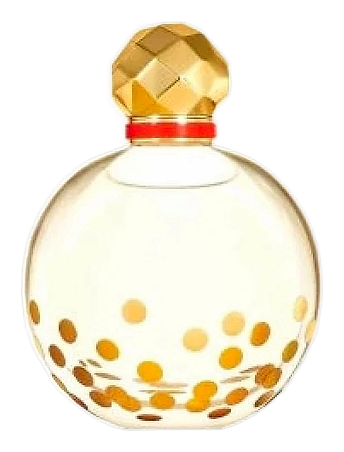
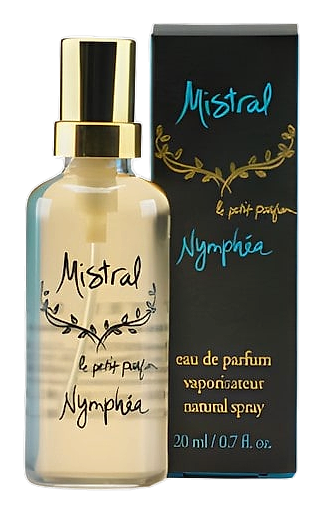
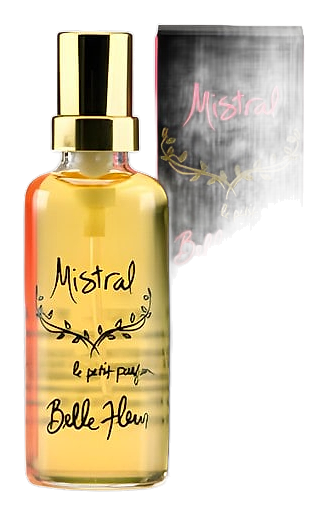
Belle Fleur arrived in 2010 as part of Mistral's debut Atelier collection, a concentrated launch that introduced five compositions in a single year, including Clementine, Nirvana, Nymphea, and Reve d'Or. The lineup was small and deliberate, each bottle named with a single, clear image rather than a poetic abstraction. Belle Fleur translates as "beautiful flower," though the scent itself leads with fruit rather than petals. That tension between the name and the reality is part of the charm. It's a floral that refuses to open with florals, choosing instead the dark sweetness of blackberry and blackcurrant before the petals ever arrive. The bergamot keeps the opening from collapsing into jam territory, adding a bright edge that holds the composition upright.
What makes Belle Fleur's note structure worth a second look is the way the fruit and the floral layers overlap instead of stacking cleanly. Most fruity florals lead with citrus, then deliver the fruit, then hand off to the flowers. Belle Fleur folds the fruit into both the top and the heart, with cranberry joining the blackberry and blackcurrant up top and reappearing in the middle alongside peony, violet, and rose. That repetition creates a continuity most compositions skip. The fruit doesn't vanish. It just gets dressed up. The base is equally deliberate in its restraint. Sandalwood, vetiver, and musk form a trio that does the work of a much heavier drydown. No amber, no patchouli, no resin.
The evolution
The first ten minutes belong to the fruit. Blackberry and blackcurrant arrive almost aggressively sweet, with a tartness that keeps them from reading as candy. Bergamot slices through with a clean, slightly bitter edge, like the peel rather than the juice. The combination of dark berry and bright citrus gives the opening a ripeness that feels almost edible, the kind of sweetness that has weight and texture rather than airiness. Twenty to forty minutes in, the florals start to surface. Peony and rose lead, with violet adding a powdery softness that almost muffles the fruit underneath. Cranberry reappears here, bridging the opening and the heart, keeping the composition connected. This is the phase where Belle Fleur earns its name. The petals do arrive. They're just polite about it, letting the fruit finish its sentence first.
Cultural impact
Belle Fleur follows a simple structural logic: fruit first, flowers second, a clean musky base beneath both. That ordering gives the composition a recognizable shape, one that rewards attention without demanding it. The blackberry and blackcurrant open is rich, almost jammy, but the bergamot slices in to keep the sweetness from tipping over, lending a bitter peel character that brightens the whole arrangement. When the peony and rose do arrive, they come softly, cushioned by violet's powdery hush, with cranberry reappearing to tie the fruit opening to the floral heart.