The Story
Why it exists.
The beginning
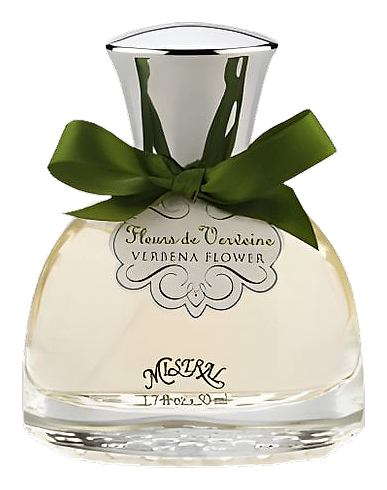
Mistral named itself for the wind that sweeps the south of France, cold, forceful, cleansing. Verbena Flower, launched in 2008, takes that energy and translates it into something you can wear. The mistral doesn't apologize. Neither does this fragrance. It's built on the idea that Mediterranean brightness shouldn't require effort, that a garden of herbs can carry a composition the same way a forest or a spice market can. The name says exactly what it delivers.
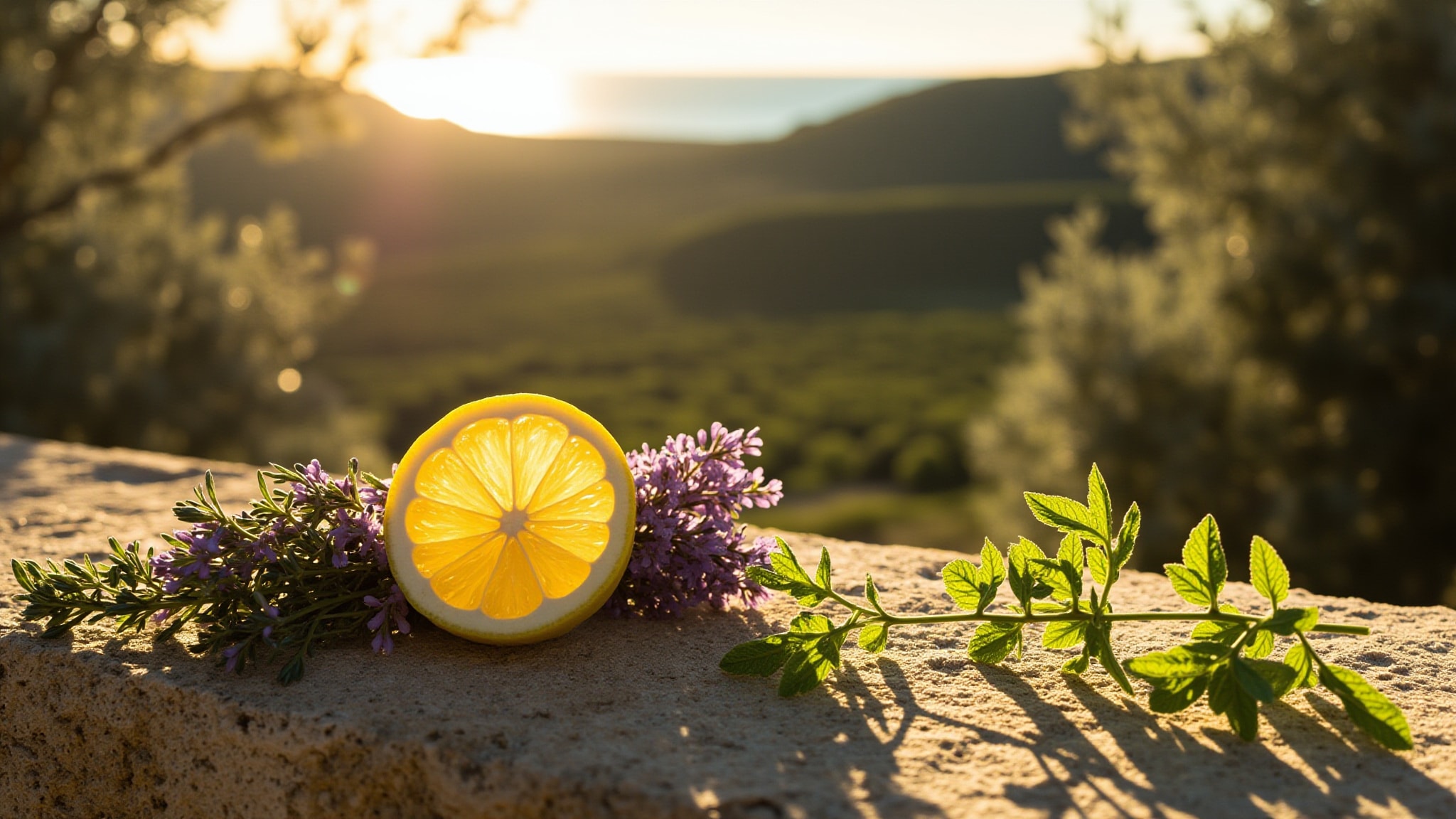
What makes Verbena Flower work is the tension between cool and warm. Mint and verbena give it that green, almost medicinal clarity. Cardamom and ginger push back, adding depth, a faint heat that stops it from reading as soap or air freshener. The white rose doesn't dominate; it softens the hand-off from herb to citrus, keeps the whole thing from sharpening into astringency. It's a careful balance for something marketed as accessible.
The evolution
The opening hits immediately. Italian lemon and spearmint, clean, bright, a little bracing. Within minutes, verbena asserts itself, not as a background note but as the main character. The ginger warms things up, keeps it from staying too cold. Fifteen minutes in, you're in the heart: verbena dominates, white rose creeping in quietly, the mint still present but receding. The drydown is where this one earns its reputation. Verbena and white rose fade slowly. The cardamom lingers, warm and close to the skin. That spiced base keeps the fragrance going when the citrus and mint have long settled. On fabric, it holds for hours. On skin, expect a solid four to six hours before it becomes a skin scent.
Cultural impact
Verbena Flower arrived during a transitional period in accessible fragrance, when mass-market brands were beginning to compete with emerging niche houses on ingredient transparency and authenticity. Mistral positioned this 2008 release as a bridge between drugstore accessibility and premium composition, a strategy that resonated with consumers growing tired of heavy florals and orientals. The herb-forward, citrus-bright profile reflected a broader cultural shift toward fresher, more natural-smelling fragrances that mirrored wellness trends gaining momentum in the late 2000s. This placement made Verbena Flower an early example of what would later become the 'clean beauty' aesthetic applied to fragrance.