The Story
Why it exists.
The beginning
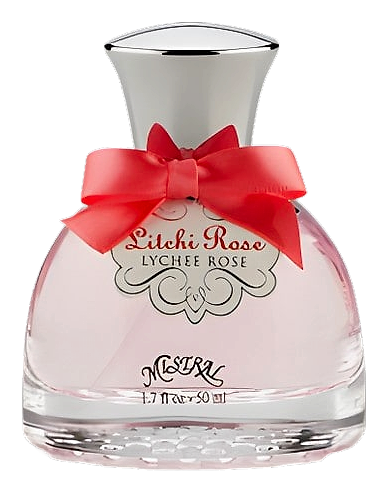
Mistral introduced Lychee Rose in 2008, part of a concentrated launch of several fragrances that signaled the brand was building its collection with intention. The timing placed Mistral among the first houses to commit to lychee as a named, primary note rather than a supporting act. While other houses treated lychee as a passing tropical reference, Mistral made it the opening statement. The brand's philosophy of transparent, ingredient-forward communication meant the name wasn't metaphorical, it was the brief, and the brief was simple: make lychee and rose work together in a way that felt modern rather than romantic.
The interesting technical challenge here is that lychee and rose occupy different olfactory territories. Lychee is fruity, watery, with a slight muskiness of its own. Rose is warm, honeyed, deeply floral. Getting them to coexist without one drowning the other requires a careful hand with the woody-spicy base, cedar and amber provide the structural support that lets the lychee retain its brightness while the rose contributes depth rather than sweetness. The blackcurrant and citrus in the top serve as a bridge, giving the lychee more dimension than a solo lychee note would achieve. It's a composition that thinks about how scent moves through time, not just how it smells in the first spray.
The evolution
The opening is the event. Lychee and blackcurrant arrive together, given brightness by a citrussy note that reads almost effervescent. For the first 20 to 30 minutes, it's sparkling and a little restless, this is not a fragrance that eases in. Then the rose begins to surface, not replacing the lychee but softening it, layering warmth beneath the fruit. The transition from top to heart is where some compositions falter, but here it's seamless. The rose doesn't arrive; it unfolds. By hour two, the woody notes emerge, cedar, a touch of something warmer underneath, and the scent begins its quiet final act. The drydown on skin is intimate, close, the kind of thing you catch when someone's leaning in. On fabric, it lingers for hours after you've left the room.
Cultural impact
Lychee Rose arrived in 2008, positioning itself before the tropical fruit wave that would sweep mainstream perfumery in the following decade. While lychee has since become a staple note in mass-market fragrances, Mistral's early commitment to it as a named hero ingredient, rather than a supporting tropical reference, gave the fragrance a kind of prescience that makes it feel less dated than it might otherwise appear. Wearers who discovered it early tend to describe it as the scent that introduced them to lychee as a serious perfumery material, which gives it a quiet cult status among those who remember when that wasn't obvious.