The Story
Why it exists.
The beginning
Mikimoto's first fragrance arrived in 2020, 130 years after the house began cultivating pearls in Toba, Japan. The brief was straightforward: translate the pearl philosophy into scent. Frank Voelkl approached it the way an architect approaches a site, survey what's already there, then build only what's necessary. The result is a fragrance that moves from bright citrus and marine notes into something quieter: a floral heart that reads less like perfume and more like memory. Not every launch needs a manifesto. Sometimes restraint is the statement. The perfumer chose magnolia as the emotional center. Not jasmine, not rose, magnolia. It carries the particular brightness of something that blooms before it fully opens, petals still curled tight. Iris adds a powdery mineral quality that keeps the florals grounded. The incense arrives late, barely a whisper, then the composition settles into sandalwood and saffron. Warmth without weight.
What makes this structure unusual is the handoff. Citrus and marine typically demand attention; they're designed to. Here, they don't fight for it. The sea notes recede naturally as magnolia rises, creating a composition that reads almost like a single sensation if you're not paying attention. The surprise is in the base. Saffron is often used for warmth and spice, here it reads more like mineral dryness, a thread of something ancient and slightly austere. Sandalwood softens it, but not completely. There's an edge that stays. The perfume never fully surrenders. Iris is the invisible architect. It shows up in the heart as powder, as quiet, as the thing that makes the florals feel expensive rather than sweet.
The evolution
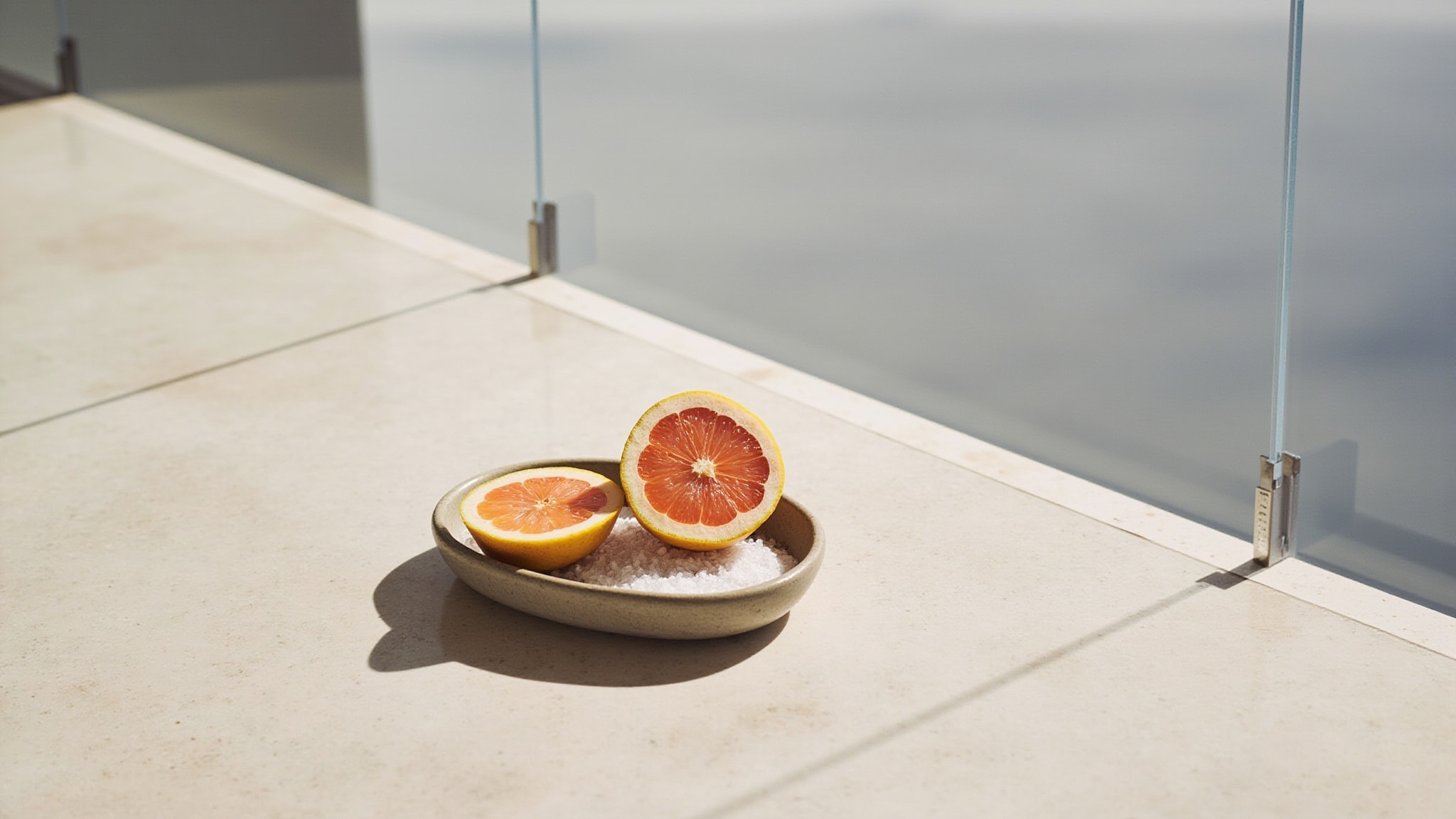
The first five minutes are all citrus and sea air, grapefruit, bergamot, a clean aquatic note that smells less like beach and more like salt on glass. It's bright without being sharp. The Sicilian lemon does what it always does: cuts through and clears the air. At the fifteen-minute mark, magnolia arrives. Not head-on, it sidles in beside the citrus, softening the edges. The sea notes begin their slow exit, and for a few minutes, the fragrance hovers between cool and warm, like standing in a doorway between a cold room and sunlight. The incense shows up around the forty-minute mark. It doesn't announce itself. A slight smoky warmth beneath the florals, the magnolia and iris have fully taken over by now. This is the heart of the fragrance: powdery, clean, slightly mineral. The drydown is where Mikimoto earns its reputation. Sandalwood and saffron settle close to skin, creating a warmth that reads as intimate rather than loud. The sillage drops to close-body within two hours. Someone standing next to you might catch it only if they lean in.
Cultural impact
As the house's first new fragrance in decades, Mikimoto arrived in 2020 with the weight of heritage and the restraint of a brand that has never needed to shout. The Japanese luxury positioning, quiet confidence, quality over volume, shapes how collectors receive it. Wearers describe it as the scent of someone who doesn't explain themselves. The marine-floral-woody structure places it in a crowded space, but the powdery iris heart and intimate sillage set it apart for those looking for something that whispers.