
The Story
Why it exists.
The beginning
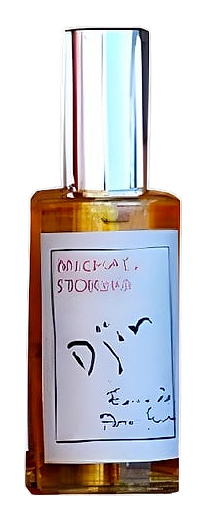
Djin carries the sharp, considered character of a fragrance built on a single idea. The composition falls within a house known for green and unusual materials, where Michael Storer is credited as the nose. The scent reads like a focused piece, the kind of single-statement piece that doesn't try to do everything at once. What's clear from the notes alone is how deliberately angular this fragrance is. Grapefruit, ivy, and lemon open on a green-cool chord, while galbanum threads through the heart with a bitter, resinous weight that's unusual to find as a structural element rather than a background accent. The composition sets up tension between the sharp, almost astringent green notes and the warmer, slightly animal elements that emerge below.
What's notable about Djin is how uncompromising its early notes are. The opening of grapefruit, ivy, and lemon hits with a green-cool clarity, then transitions into a heart where galbanum dominates. Galbanum is a notoriously difficult material, bitter and resinous enough that handling it requires a certain nerve. The tea, cardamom, and pink pepper keep things warm without making the scent polite or easy. Cardamom adds a dry, almost smoked spice note, while tea brings a tannic, leafy quality that bridges the green sharpness of the opening and the warmer base.
The evolution
The opening hits cold and clean. Grapefruit and Amalfi lemon crackle over ivy, and lily-of-the-valley tries to soften the edges but can't quite manage it. For the first stretch, the scent reads almost metallic, astringent, like crushed leaves under cold water. There's a dry, powdery quality in here that one reviewer compared to a dry mortar. Then the verbena, galbanum, and tea arrive together, and the whole thing pivots. The bitterness deepens instead of receding. Cardamom and pink pepper add a dry warmth that stays on the cool side of spicy. Rose shows up quietly, almost decorative, before the castoreum takes over. The drydown is where Djin earns its reputation. Castoreum, teakwood, and sandalwood settle into a warm, slightly animal musk that sits close to the skin over the course of the wear.
Cultural impact
Djin occupies a particular corner of the fragrance world, the one where green-aromatic compositions don't soften themselves into something safer. Wearers often describe it in terms of attitude: 'a designer suit instead of baggy pants,' as one early reviewer put it. It's the kind of scent that attracts people already looking for something sharp and herbal, and surprises anyone expecting a clean, friendly citrus profile. What gives Djin its particular appeal is the castoreum element in the base. That animal warmth, paired with teakwood and sandalwood, creates a finish that reads more grown-up than breezy.