
The Story
Why it exists.
The beginning
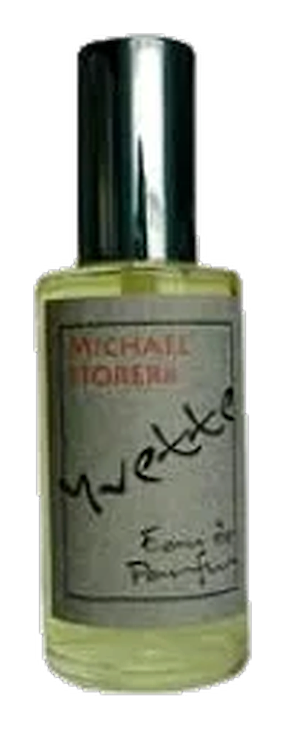
Yvette emerged in 2007 as the third women's scent from Michael Storer’s fledgling house, which he launched two years earlier after a decade shaping ready-to-wear collections across Europe. Translating his design-first ethos into perfume, Storer chose tarragon and spice to echo the unexpected stitch, building the heart around heliotrope as a structural canvas. He softened the composition with powdery florals including lily of the valley and rose, grounding everything in sandalwood and a whisper of tonka bean for a warm, finished quality. (paragraph ~700 chars)
Storer's approach was to build Yvette around contrasting elements within the heart itself. Rather than layering top notes for immediate impact, he designed the composition to unfold its complexity from the first spray, with tarragon and spice providing structural tension against the powdery softness of heliotrope and the delicate florals. Lily of the valley and rose bring classical balance, while tonka bean softens the edges and sandalwood anchors the entire structure. The result is a scent that feels simultaneously soft and sharp, floral and herbaceous, a reflection of Storer's fashion background where detail and contrast define the whole. (paragraph ~600 chars)
The evolution
The scent opens into its heart immediately, with heliotrope establishing a powdery warmth as the structural foundation. Tarragon and the spice notes arrive tog ether, layering green herbal freshness against warm aromatic complexity from the very start. As the composition evolves, rose and lily of the valley bloom forward, their delicate floral sweetness gradually softening the tarragon's edge and creating a dialogue between green and sweet. The tonka bean introduces a creamy, subtly sweet finish as the florals fully develop, and the sandalwood base absorbs everything gently, holding the powdery softness and floral brightness through the long drydown. (paragraph ~800 chars)
Cultural impact
Since its 2007 debut, Yvette has become a reference point for minimalist French niche perfumery, influencing a wave of herb‑spice fragrances that prioritize clarity over complexity. Its clean composition resonated with a generation seeking understated elegance, prompting other houses to explore single‑note focus and subtle powdery accords. Over the years, the scent has been cited in runway shows and boutique displays as an example of how a simple aromatic palette can convey sophisticated personality, reinforcing the brand’s reputation for design‑driven olfactory statements without relying on heavy marketing or overt trends.