The Story
Why it exists.
The beginning
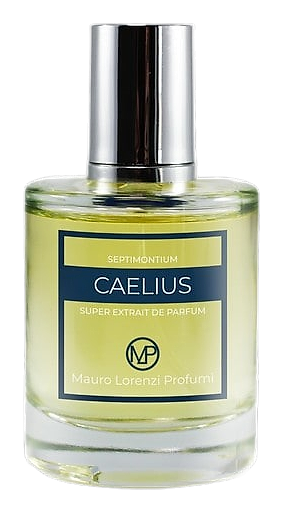
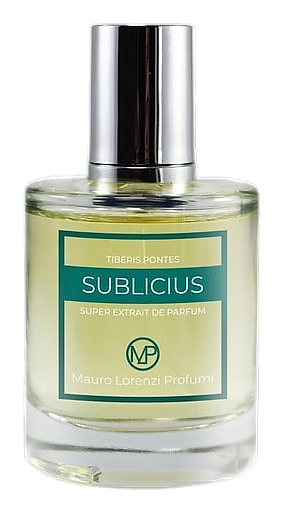
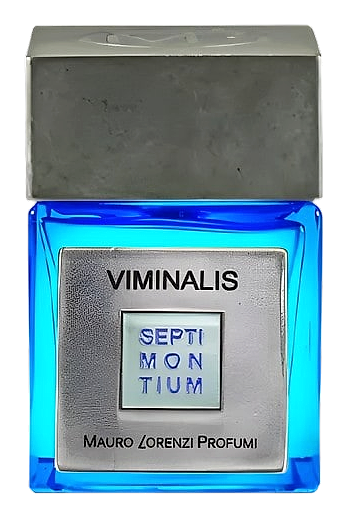
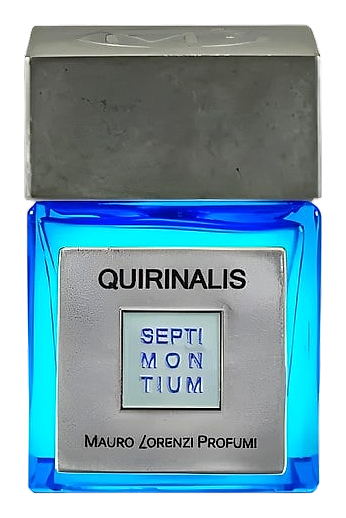
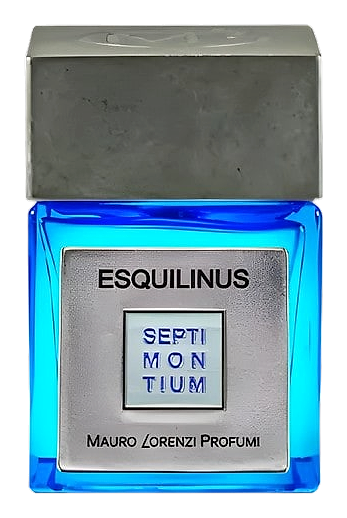
Esquilinus arrived as part of Mauro Lorenzi Profumi's Septimontium collection, a group of seven fragrances named for the ancient hills of Rome. The name points to the Esquiline Hill, one of the city's seven hills. Composed around a Roman sense of contrast, the fragrance moves easily between brightness and weight. Grapefruit and apple bring the clear, lively character of fresh fruit, with apple adding a crisp sweetness as it settles among the citrus notes. Birch introduces a pale, papery woodiness that feels clean and finely cut rather than dense. Barley, red thyme, and lavender lend an herbal, almost country air, layering green and aromatic facets over the fruit.
The unusual part of Esquilinus is the fruit. Apple sits at the opening with grapefruit and birch, and rather than turning sweet, it stays crisp, closer to the skin of the fruit than its juice. That tart edge makes the later leather accents land differently. Leather usually arrives through smoke or tobacco, but here it arrives through wood, so the composition reads more like worn hide over pale timber than a bar smoke break. Barley adds an earthy, cereal undertone that keeps the florals from drifting toward powder, while jasmine provides brightness without sweetness.
The evolution
The first impression is all brightness and structure. Grapefruit flashes with a clean, juicy lift, apple crunches through it with a crisper sweetness, and birch gives the whole thing a cool, papery edge that suggests fresh-cut wood rather than a forest floor. As the opening settles, the heart arrives with a different character. Lavender and jasmine open up, red thyme brings a medicinal herbal snap, and barley lays down a warm, grainy base. That phase is the most articulate part of Esquilinus, floral and green and slightly old-fashioned in the best possible way. The composition feels layered but lucid, with the fruit remaining legible beneath the herbs and florals. What follows is leather. It arrives through guaiac wood and woods, less hide than the memory of hide, while amber warms the dry wood into something closer to skin.
Cultural impact
Esquilinus belongs to a house built on erudite place-name culture, with its name drawing directly on the Esquiline Hill and the ancient hills of Rome. Its construction moves from bright grapefruit and apple through birch, barley, red thyme, lavender, and jasmine before settling into leather, guaiac wood, and amber. That progression gives the fragrance texture and argument rather than simple decoration. The opening feels vivid and lucid, while the dry woods and warm amber add a more intimate register, allowing the composition to be read in layers.
The House
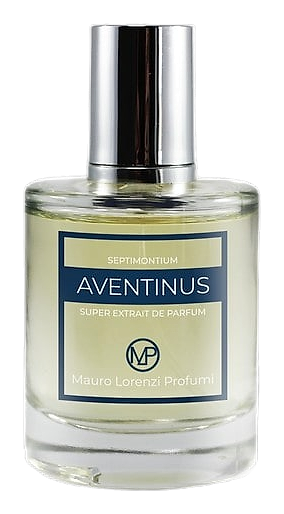
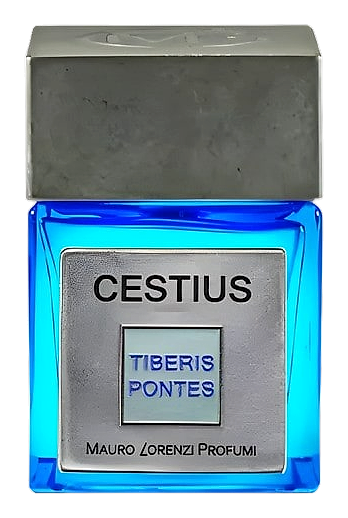
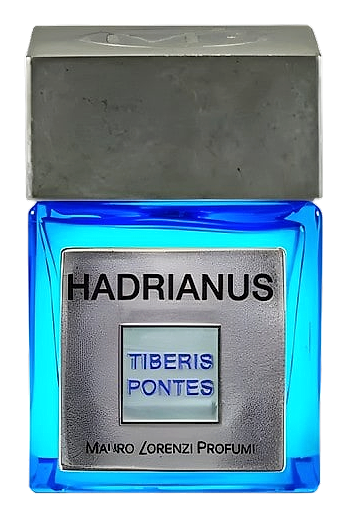
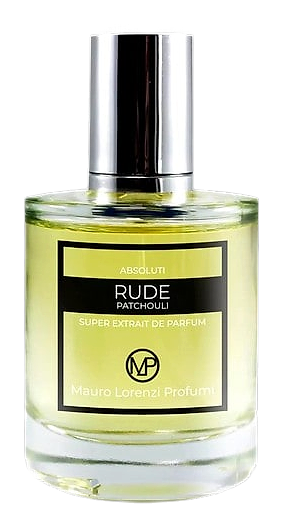
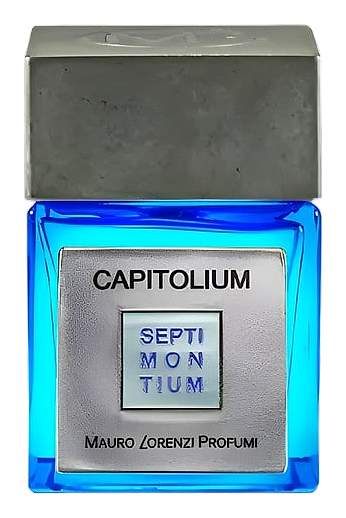
Mauro Lorenzi ProfumiMauro Lorenzi Profumi is an Italian niche perfume house founded in Rome in 2017. The brand creates limited‑edition fragrances that echo the city’s ancient topography and imperial history. Each scent arrives in a minimalist glass vessel, the label bearing a Roman numeral that hints at its inspiration. Beyond personal fragrances, the house offers scented candles and a line of home fragrances that translate Roman art and architecture into aroma. The collection grows slowly, with new releases announced only after a careful creative process, ensuring each bottle feels like a small, handcrafted tribute to the Eternal City.
The Creator
Mauro LorenziLorenzi’s perfumery is marked by a polished, contemporary sensibility grounded in careful composition and quality materials. He has a particular interest in the contrast between bright opening notes and richer, more enveloping drydowns, creating fragrances that reveal themselv…