The Story
Why it exists.
The beginning
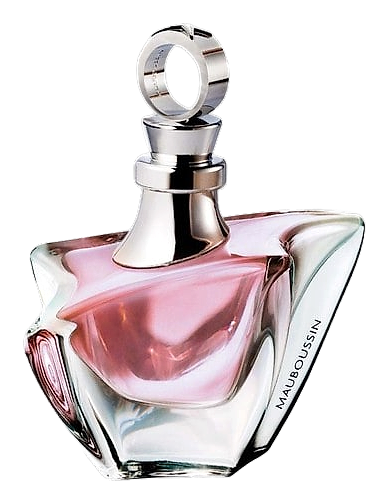
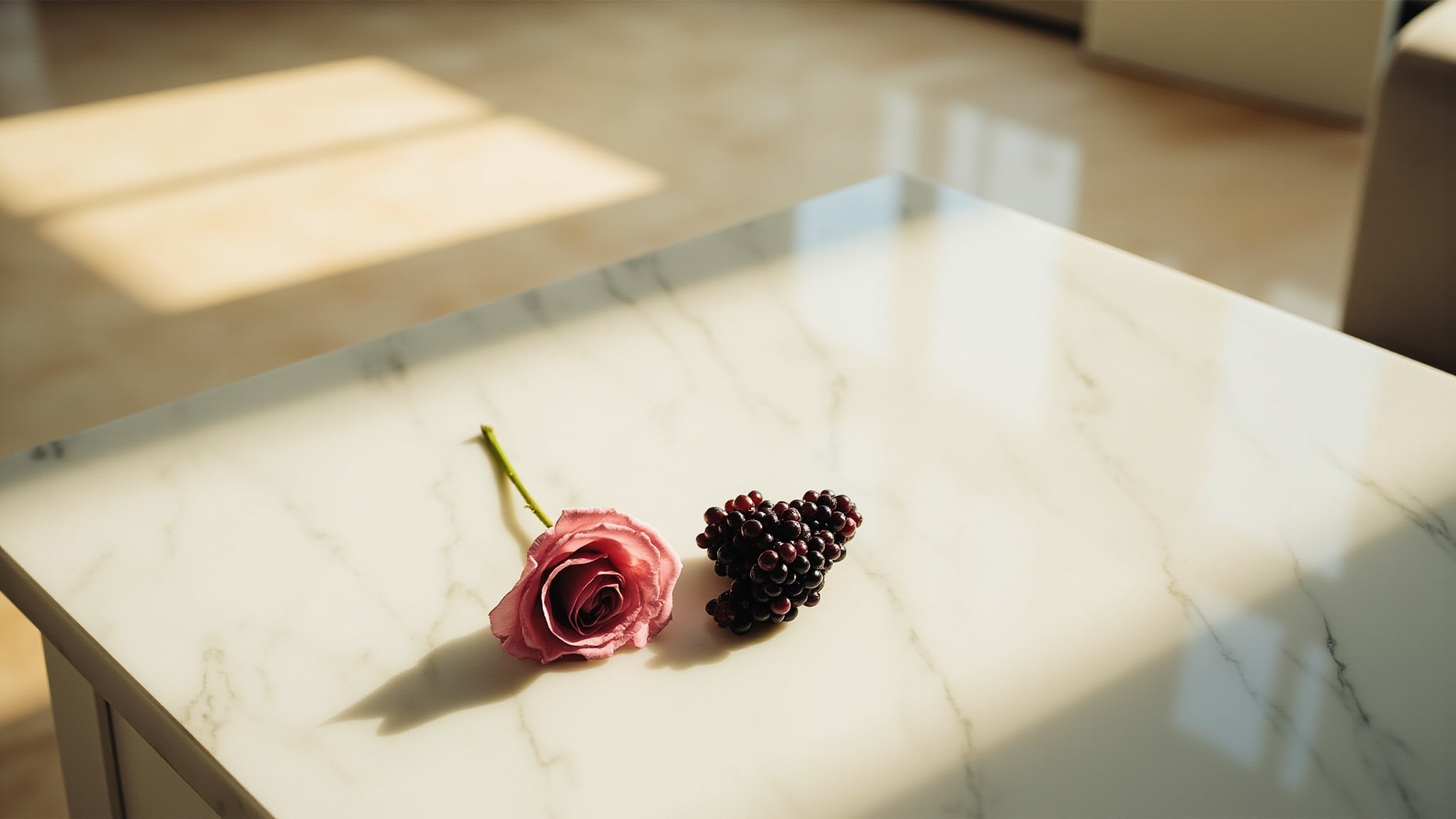
Mauboussin entered perfumery in 2002 with Histoire d'Eau, but Rose Pour Elle arrived in 2012 as something different, a deliberate counterpoint to the house's earlier Pour Elle. Where that first scent emphasized warmth and a significant trail, Rose Pour Elle aimed for luminosity. Benoist Lapouza built it around a single idea: rose as the leading object, supported by red berries and a lighter, more flirtatious structure. The name itself is a game of words, pour elle means for her, but the rose makes it a statement about femininity rather than a dedication to it. The brand positioned this as a fragrance for women with a free spirit, one that attracts attention through brightness rather than force.
Rose Pour Elle stands apart through its use of dragon fruit, pitaya in the research, alongside the more conventional blackcurrant and apple. That's an unusual choice for 2012, when tropical notes weren't yet standard in mainstream florals. The effect is an opening that feels simultaneously familiar and unexpected: the citrus gives you Calabrian bergamot and tangerine you've smelled before, but the dragon fruit adds a translucent, almost alien sweetness that keeps the top notes from reading as generic.
The evolution
The opening hits with blackcurrant and citrus, tart, bright, almost sharp. Tangerine and bergamot lift the top, while dragon fruit adds that translucent tropical note that feels slightly out of place and entirely intentional. The apple and pear keep things crisp. Caramel surfaces early but stays restrained, preventing the opening from reading as too sweet. Within the first hour, the rose takes over. This isn't a delicate petal-pressing exercise, the jasmine and magnolia give it body, and the raspberry keeps it fruity rather than powdery. The handoff from citrus to floral is smooth, almost seamless. You stop noticing the transition and start noticing that the fragrance has settled into something warmer. The drydown is where Rose Pour Elle earns its warmth. Musk and sandalwood form the foundation, with caramel and cedar adding a soft, close-to-the-skin trail. The amber emerges slowly, giving the base a gentle glow rather than a dramatic reveal.
Cultural impact
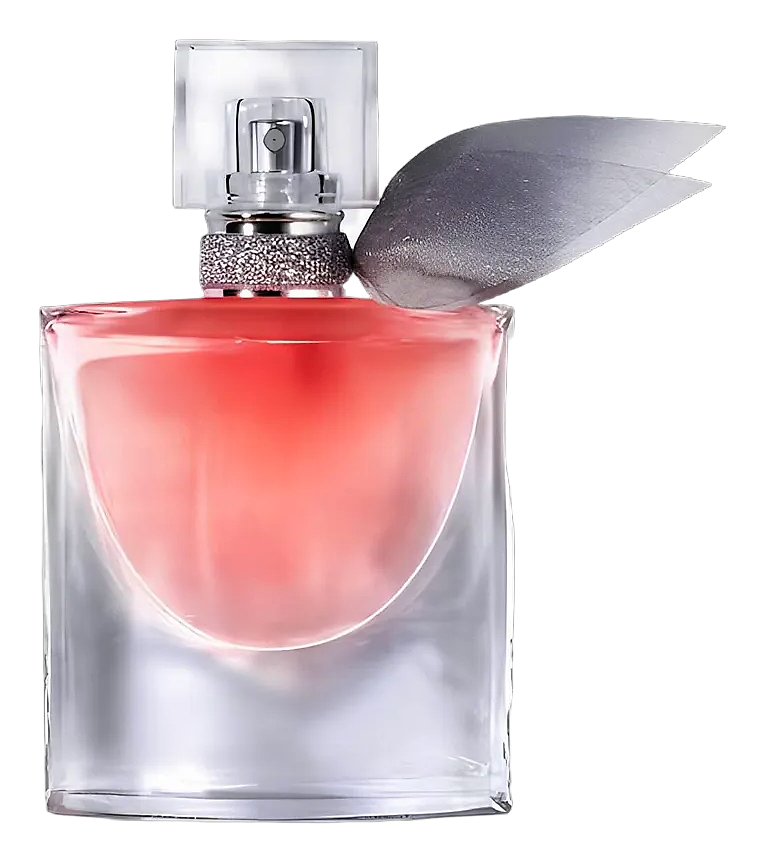
Rose Pour Elle has earned a following among collectors who discovered it as an affordable alternative to sweeter, fruitier niche florals. Wearers frequently compare it to La Vie Est Belle, noting the shared DNA of rose, patchouli-adjacent warmth, and caramel sweetness. The moderate sillage makes it a natural for office environments, present enough to be noticed, restrained enough not to dominate a meeting room.