
The Story
Why it exists.
The beginning
Mary Kay introduced Acapella in 1987, a moment when American beauty was reaching outward, beyond department store counters, beyond exclusivity, into living rooms and kitchen tables across the country. The fragrance was part of a broader era of accessible luxury, when approachable scents could still carry conviction. For Mary Kay's network of consultants, Acapella became a signature, something to recommend to someone who wanted to smell wonderful without a trip to the boutique. It was floral, fruity, and unabashedly joyful. Exactly the kind of confidence the brand built itself on.
What sets Acapella apart is the balance between structure and warmth. The top trio of raspberry, mandarin, and pear creates an immediate sweetness that feels bright rather than heavy, the kind of opening that reads as optimistic. The heart of jasmine, Damask rose, and lily of the valley is classically feminine without retreating into powdery territory. The base of amber, woody notes, and musk gives the fragrance its staying power, holding that floral sweetness against something deeper and more grounded. The animalic accord present in the composition, flagged in community reviews, gives the drydown a skin-close quality that makes it feel worn rather than applied.
The evolution
The first hour belongs to raspberry and mandarin, sweet, tart, and impossible to miss. The mandarin hangs around longest of the citrus, carrying a slightly floral edge that bridges into the heart. Around the thirty-minute mark, lily of the valley takes over, bringing its characteristic green brightness alongside jasmine and Damask rose. The transition is seamless: the fruit doesn't disappear, it softens, becoming a sweetness woven into the florals rather than a separate layer. The drydown begins around hour three. Amber and musk arrive together, warming the composition and pulling it closer to the skin. The woody notes add structure without weight. What lingers after hour six is a quiet floral-musky warmth, intimate, persistent, and recognizably Acapella even twelve hours later on fabric.
Cultural impact
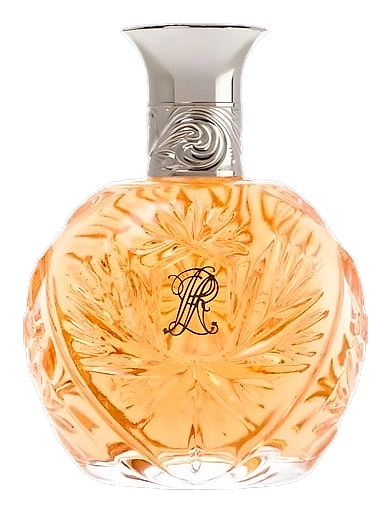
Acapella arrives in a 1987 fragrance landscape defined by bold statements, Poison's darkness, J'adore's golden elegance, Safari's green ambition. Against that backdrop, Acapella takes a quieter position: bright florals with fruity warmth, built for the everyday rather than the extraordinary. Community members describe it as capturing 1980s American optimism, loud, cheerful, colorful. It's the fragrance that people in European flea markets recognize immediately, the one that sparks nostalgia regardless of where they encountered it originally.