The Story
Why it exists.
The beginning
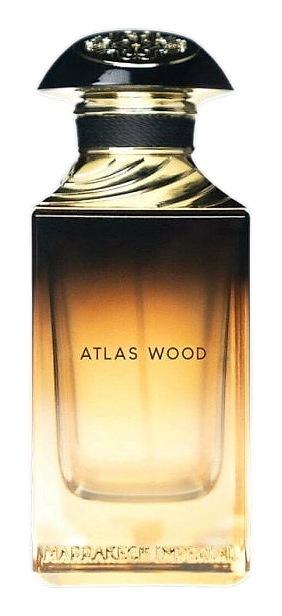
Atlas Wood is a composition from the Moroccan house Marrakech Imperial, part of their Moroccan Vibes Collection, composed by Christian Carbonnel. The name does exactly what it promises: it smells like Atlas cedar, the wood that has grown on Morocco's mountain ranges for centuries. Carbonnel built the rest of the architecture to frame that wood without burying it, fig and pepper on top, flowers and anise in the chest. The composition is a portrait of cedarwood as a living material rather than a generic base note. You can smell the intent behind every choice, from the green brightness at the top to the warm, almost resinous finish underneath. Carbonnel works in a register where the woods aren't a backdrop but the subject, and every other note exists to make the cedar more legible.
What's interesting is the tension Carbonnel set up between the green, almost bitter top and the warm, somewhat creamy drydown. Fig leaf and green pepper carry a sharp, vegetal edge into the opening, the kind of green that feels more like a tree branch snapped open than a fruit ripening. Star anise and jasmine in the middle add a subtle liqueur warmth without tipping into sweetness. The base of Atlas cedar and sandalwood isn't a generic wood finish, it's a specific place, with the cedar doing most of the structural work and sandalwood rounding the edges.
The evolution
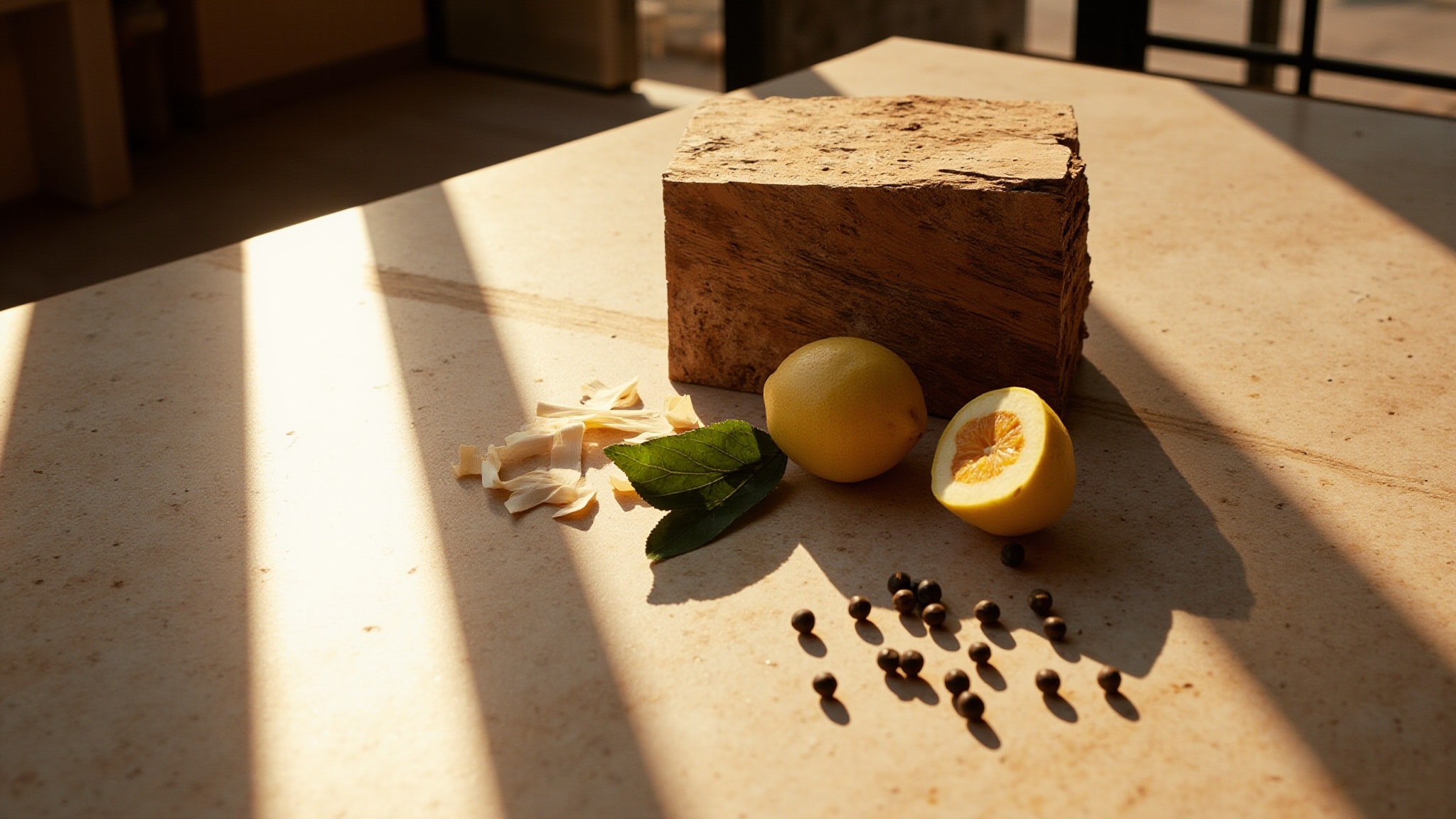
Atlas Wood opens with a burst that reads almost like a salad of green things: bergamot first, then fig leaf, then green pepper cutting through both. That sharp opening runs hot for the first stretch before the star anise shows up to soften the edges, adding a faint licorice flicker underneath the florals. Jasmine stays quiet in the heart, more of a breath than a statement, working alongside lily of the valley to keep the midphase from going too dark or too sweet. Eventually the woods start taking over. Atlas cedar dominates here, dry and resinous, with sandalwood smoothing the grain and ambergris lending an almost mineral warmth that recalls warm bark after a long day in the sun. The pepper never fully disappears, it just changes shape, becoming a low hum rather than a sting.
Cultural impact
Atlas Wood reads as a composition that places Moroccan materials at its center, with Atlas cedar as the structural and thematic anchor. The fragrance uses a wood native to the country's mountain ranges and builds around it in a way that lets the material speak without dilution or disguise. The supporting notes, from the green pepper and fig leaf at the top to the sandalwood and ambergris at the base, all exist to frame and clarify the cedar rather than to compete with it. That approach gives the composition a sense of place without leaning on exoticism or stereotype.