The Story
Why it exists.
The beginning
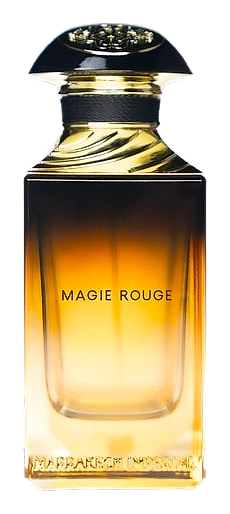
Christian Carbonnel built Magie Rouge around a single obsession: Marrakech after dark. The Red City has always carried legends, of enchantment, of heat that doesn't quit, of streets that whisper secrets long past midnight. Carbonnel translated that nocturnal energy into an extrait, knowing that concentration was the only way to capture the city's actual weight. The name itself is the brief: Magie Rouge. Red magic. The kind that lingers on your collar and makes people lean closer.
The opening hits before you expect it. Pink pepper and cinnamon arrive together, spicy, alive, then the acacia honey smooths everything into warmth before the first minute is up. That's intentional. The heart is where this fragrance earns its name: jasmine and violet wrapped in vanilla create a floral warmth that never gets heavy, even as the concentration pushes it close to the skin for hours. The base is cashmere wood, musk, and tonka bean, powdery, intimate, the kind of drydown that stays close and doesn't let go.
The evolution
The opening announces itself in under a minute. Pink pepper and cinnamon arrive sharp, almost prickly, before acacia honey rounds the edges within the first few minutes. Then the hand-off: jasmine and violet step forward, softened by vanilla into something warm and floral that carries the next few hours. The drydown is where Magie Rouge becomes itself. Cashmere wood and tonka bean settle into a powdery warmth that hugs the skin, intimate, close, lasting 8 to 10 hours on most skin types. By the next morning, a faint trace of musk and vanilla remains, quiet and familiar, like a scent you've worn for years.
Cultural impact
Marrakech Imperial arrived in 2020 as Morocco's first haute parfumerie house, a late entry into a niche landscape that had largely overlooked North African heritage. Magie Rouge has become one of the house's most-discussed releases, a warm, powdery floral-spicy that stands apart from the region's more common oud-and-amber territory.