The Story
Why it exists.
The beginning
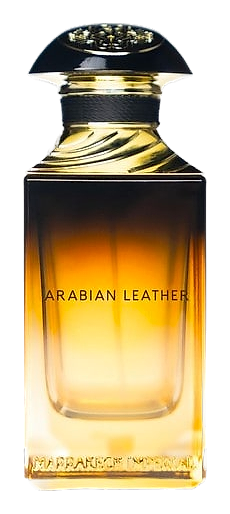
Christian Carbonnel designed Arabian Leather as an ode to two of Morocco's most enduring legacies: the Arabian thoroughbred and the leather craftspeople of Marrakech's medina. These aren't abstract inspirations, the horse and the hide are living traditions in the city, threaded through its souks and stables. The fragrance translates that weight into an extrait de parfum at 25% concentration, built to last as long as the traditions it references. Launched in 2024 as part of Marrakech Imperial's broader exploration of Moroccan sensory heritage.
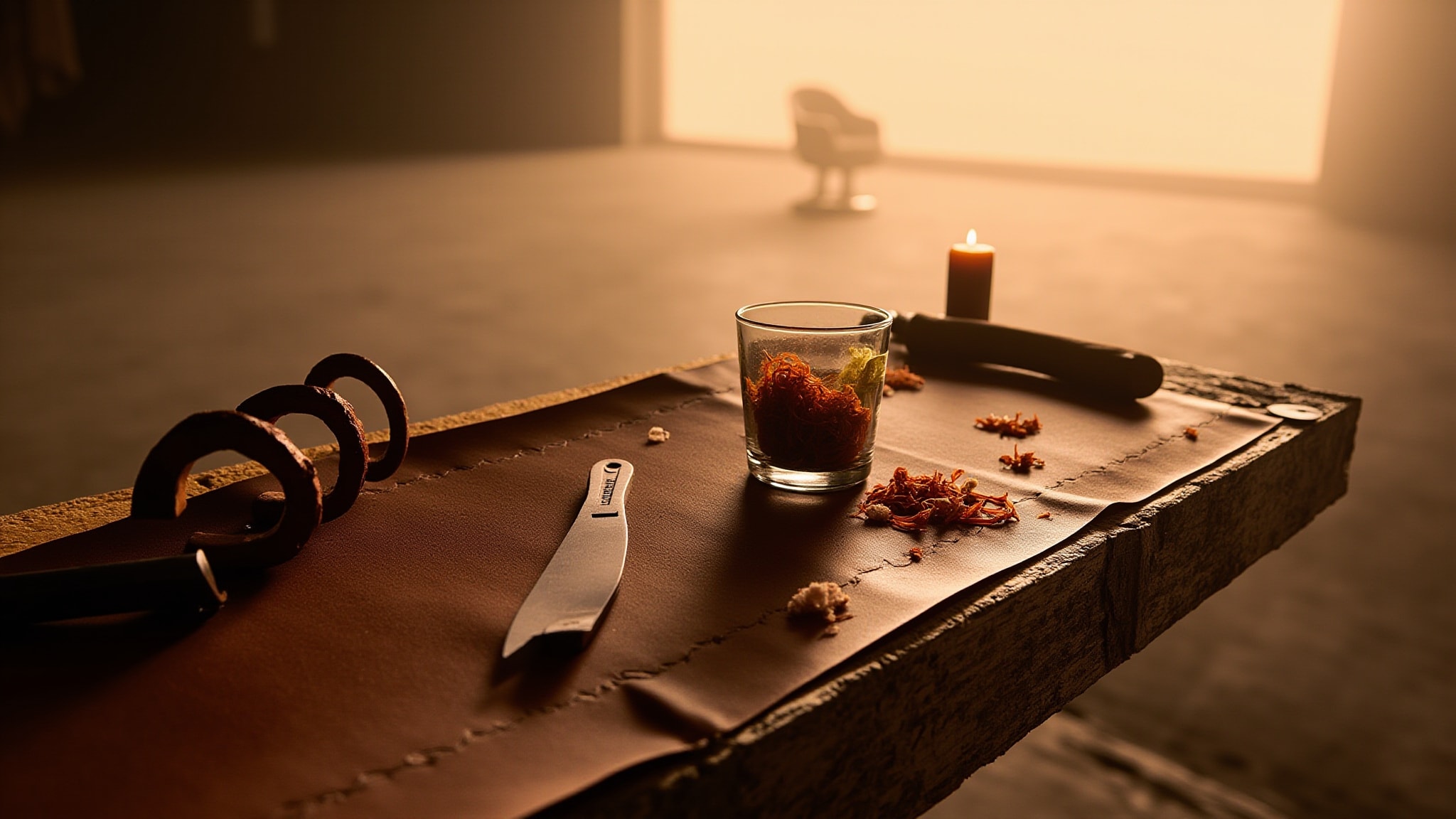
What makes Arabian Leather work is the tension between brutality and tenderness. The leather isn't polished furniture leather from a European house, it's something with texture, with history, worked by hands in the souks. Carbonnel softens it with brown sugar and amber, then grounds it in vanilla and tonka, but he never lets the leather disappear. It stays present throughout the wear, evolving from crisp opening to warm heart to lingering base. The saffron and frankincense aren't just top notes, they're the framing, the cultural context that makes the leather mean something beyond smell.
The evolution
The opening doesn't ease in. Saffron hits first, sharp, almost metallic, carrying the warmth of spice market sunlight. Frankincense follows within minutes, adding a smoky, spiritual depth that slows everything down. This phase lasts about 90 minutes before the leather takes over. The transition is gradual but unmistakable: the saffron recedes, the amber deepens, and the brown sugar introduces a soft sweetness that makes the leather feel worn rather than new. By hour three, you're in the heart, warm, animalic, sweet without being sugary. The drydown belongs to vanilla and tonka, with musk sitting close to the skin. The leather doesn't disappear; it becomes part of the base. On most skin types, this lasts eight to ten hours. On fabric, it lingers into the next day.
Cultural impact
Arabian Leather enters a crowded leather fragrance space with a clear differentiator: Moroccan authenticity. While other houses draw on leather as a material note, Carbonnel grounds the composition in Marrakech's actual leatherworking tradition, the craftsmanship of the medina, the smell of tanneries that have operated for centuries. This isn't leather as concept; it's leather as lived practice. The saffron and frankincense reinforce that positioning, anchoring the fragrance in spice market warmth rather than generic orientalism. Early reception positions it as a serious contender in the niche leather category, particularly among wearers who want cultural specificity alongside olfactory depth.