The Story
Why it exists.
The beginning
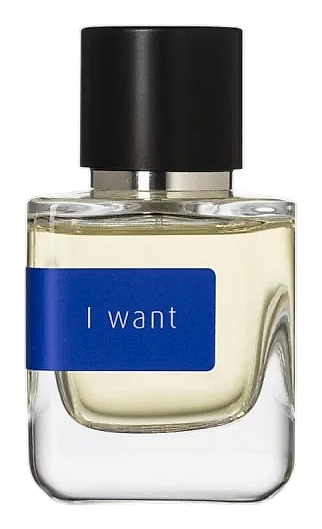
I Want arrived in 2021 as part of the Freedom Collection, Mark Buxton's ongoing experiment in olfactory storytelling. The name is a provocation: what happens when desire gets bottled? When wanting becomes a formula? Buxton and David Chieze built the answer in three movements: a burst of tart fruit that hits immediately, a floral heart that reveals itself slowly, and a base that refuses to leave. The brief was simple. The execution wasn't.
What makes I Want unusual is how the florals are arranged. Magnolia and iris don't compete, they layer into something creamy and powdery that reads as one texture rather than two notes. Most fruity-florals stop at the fruit. This one uses the florals as a bridge to the base, then lets oud and patchouli do the work of permanence. The cashmere wood and oakmoss add a chypre-like structural tension that most modern fruity-florals skip entirely. It's a fragrance that rewards attention without demanding it.
The evolution
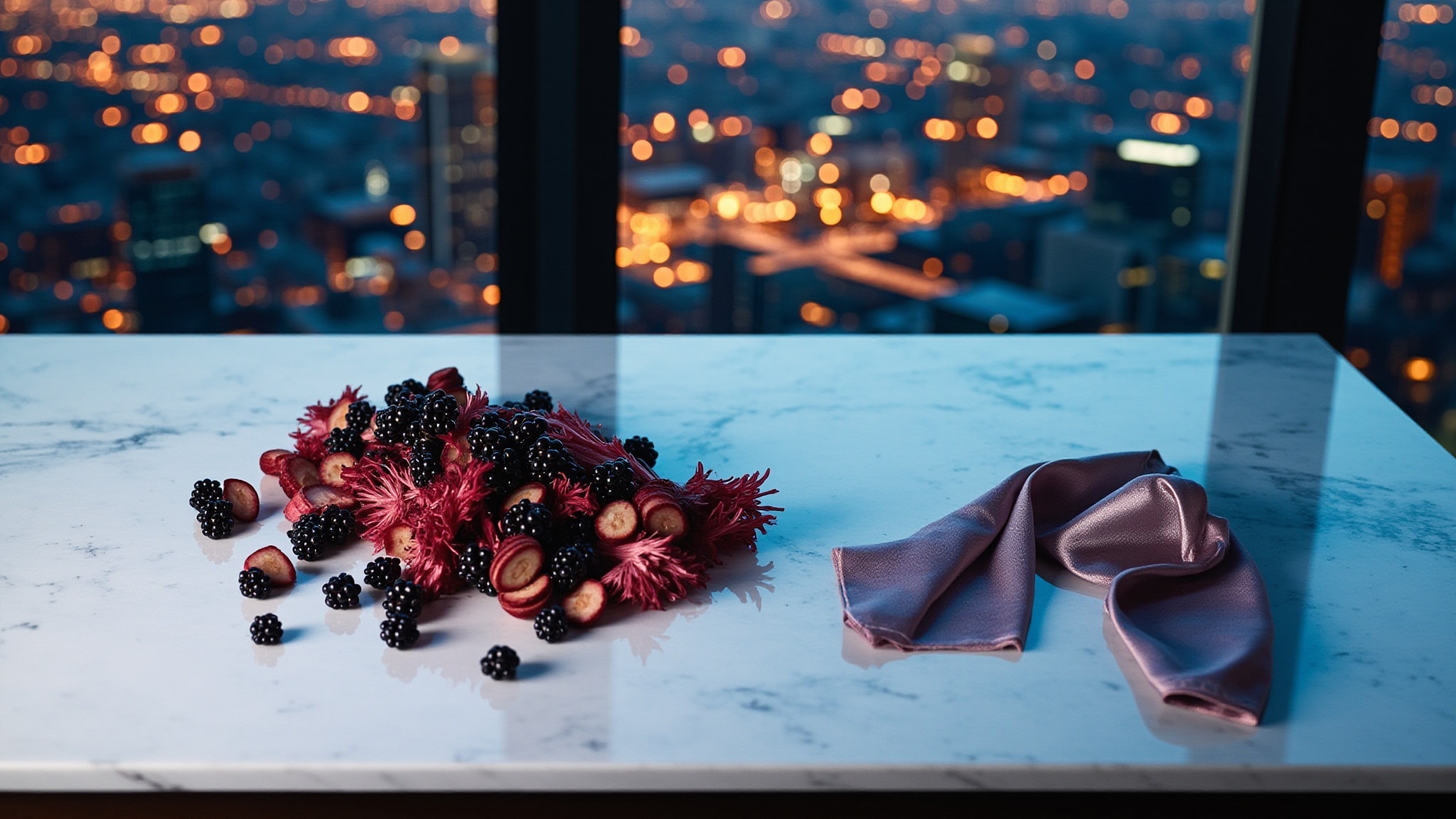
The opening hits fast, blackcurrant, rhubarb, mandarin, and green apple all arriving within the first spray. The effect is tart, bright, almost green. Within minutes the florals begin their takeover: magnolia first, then rose, then the powdery iris arriving last. The transition isn't dramatic, it's more like watching fog roll in. By hour two, the fruity brightness has retreated and the heart owns the stage. The drydown is where I Want earns its reputation. Oud, patchouli, and vanilla settle close to the skin, creating a warm, slightly animalic presence that lasts through the workday and into the evening. Vetiver and cashmere wood keep it grounded, earthy without heaviness. On some skin, this drydown reads intimate and close. On others, it projects with quiet confidence for hours.
Cultural impact
I Want landed in 2021 as a deliberate counterpoint to the over-serious niche market. Where many releases from that period leaned into oud or smoke to signal prestige, this fruity-floral-woody composition refused to take itself too seriously while still delivering genuine complexity. The magnolia-iris heart bridge and the cashmere wood-oakmoss tension in the base created a chypre-like structure that most modern fruity-florals had abandoned entirely, giving it a vintage sensibility beneath contemporary marketing. Mark Buxton's reputation for unconventional compositions drew in collectors, while the accessible price point brought in new audiences who might not have otherwise engaged with his work.