The Story
Why it exists.
The beginning
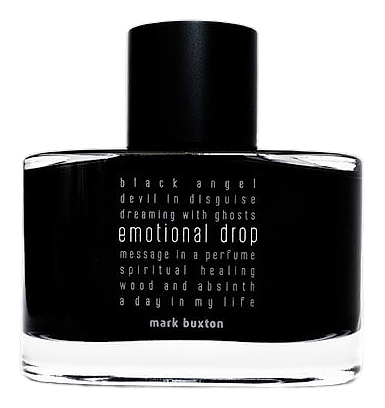
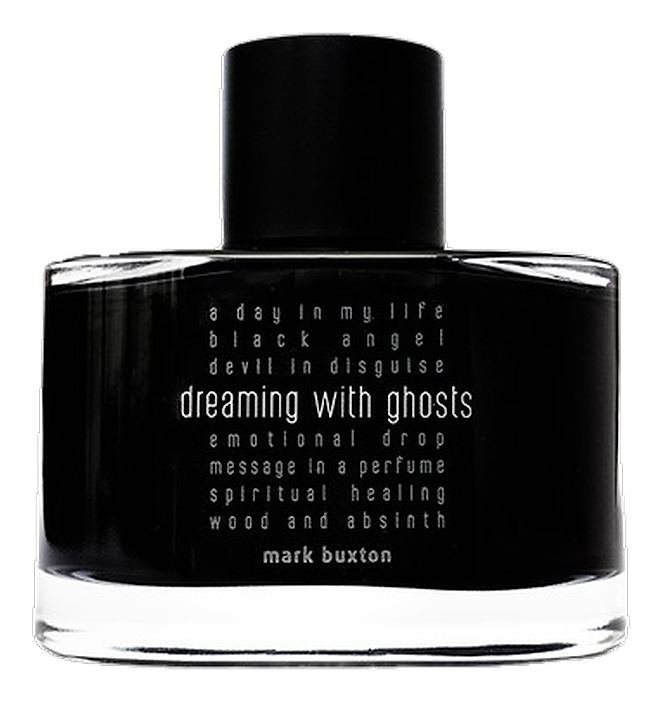
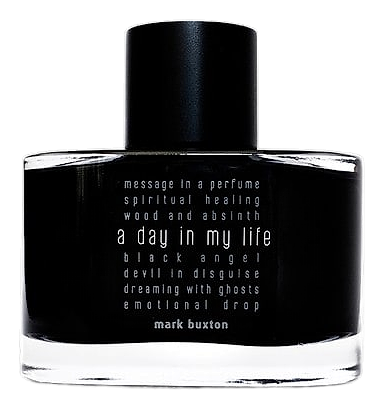
Mark Buxton spent three decades creating scents for houses like Givenchy, Paco Rabanne, and Comme des Garçons, learning the discipline of French compounding, the chemistry of raw materials, the art of narrative in olfactory form. In 2021, with 'A Day In My Life,' he turned that experience toward something narrower and stranger: a fragrance built entirely around one material. Not as a study, but as a statement. Rose, chosen deliberately, placed at every level of the pyramid. The result is a composition that asks whether familiarity can also be surprise.
What makes the structure unusual is the repetition itself. Rose absolute opens the top, anchors the heart, and quietly persists into the base, but each stage presents a different face of it. The pink pepper and mandarin orange at the opening give the rose a sharp, almost spiky introduction. The elemi resin and lily of the valley in the heart add a green, slightly powdery mid-section. The labdanum, sandalwood, and patchouli in the base ground the whole thing in warmth. The same flower, three different contexts. It's less a layered cake than a single thread pulled through different textures.
The evolution
The opening announces itself quickly: mandarin orange and pink pepper over a rose that arrives before you've had time to prepare for it. There's an immediate brightness, a sparkle that doesn't linger, thirty minutes at most before the heart takes over. The elemi resin is the pivot point here, adding a green, slightly balsamic snap that breaks the sweetness. Lily of the valley appears briefly as a cool, powdery counterpoint before the rose absorbs everything into a single floral direction. By hour two, the base begins its slow settle: labdanum's resinous warmth, sandalwood's cream, patchouli's earth. The rose doesn't disappear, it deepens, losing its brightness and becoming something warmer, quieter, more intimate. By hour six, it sits close to the skin. By hour eight, a trace remains: soft, woody, and faintly floral. The drydown is the argument the fragrance makes, that the same flower can be all of these things, and still be one thing.
Cultural impact
The rose has been done. Done again. Done with oud, with vanilla, with aquatic accords and leather and smoke. What Buxton does here is simpler and stranger: he keeps the rose and removes everything else that usually contextualizes it. The result sits oddly in the niche landscape, too cohesive to be experimental, too focused to be crowd-pleasing. It's a fragrance for someone who already knows what they think about rose and wants to find out if they might be wrong.