The Story
Why it exists.
The beginning
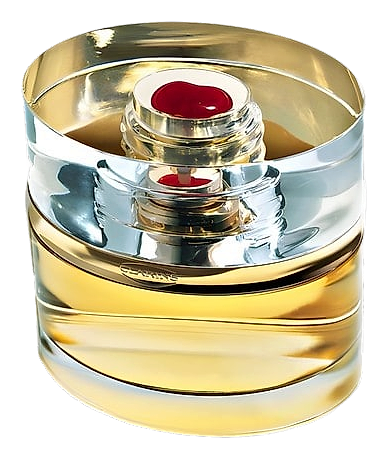
Raphaël Haury designed Par Amour for Clarins in 2005, marking the house's first fragrance specifically aimed at a younger audience. The brief was unusual: create something that could bloom alongside the brand's established botanical line without borrowing its vocabulary. The result combined fruity, floral, and oriental elements in a structure that let each layer breathe. Pink pepper and blackcurrant opened the composition, followed by a heart of Turkish rose and vanilla grounded in sandalwood, amber, and benzoin. Clarins had spent decades building trust through plant-based skincare science. Par Amour was the house testing whether that same credibility could translate into a fragrance for someone still discovering who she is.
What makes Par Amour unusual is how its three scent families, fruity, floral, oriental, work together rather than competing. The blackcurrant keeps the sweetness honest, the pink pepper adds a sharp counterpoint that prevents the rose from going too soft, and the vanilla in the heart gives the composition warmth without heaviness. The sandalwood in the base acts as a bridge between the floral and oriental sides, while benzoin and labdanum add a subtle resinous quality that extends the drydown without overwhelming it. The overall effect is powdery warmth, intimate rather than projecting, present without being present.
The evolution
The opening is bright and tart, pink pepper and blackcurrant cutting through before the rose has a chance to settle. Within minutes, the Turkish rose takes over, bringing a powdery sweetness that shifts the entire character of the fragrance. The vanilla arrives quietly, wrapping around the rose and deepening the warmth. Cardamom adds a subtle aromatic complexity that keeps the sweetness from becoming saccharine. The drydown is where Par Amour earns its reputation. Sandalwood provides woody depth, amber and benzoin add warmth and a faint resinous quality, and labdanum contributes a touch of animalic richness that lingers close to the skin. It stays intimate, present to those nearby but not announced to the room. The base notes do the heavy lifting in the final stretch, though longevity varies by skin chemistry.
Cultural impact
Par Amour arrived in 2005, a period saturated with aggressive florals and loudoriental compositions. It offered something different: powdery warmth, moderate sillage, and a structure that rewarded proximity over projection. The response was divided in the best way. Some found it elegant and office-safe, a quiet confidence. Others wished for more presence, more staying power. That tension, loved for its restraint, critiqued for the same, defined its place in the Clarins line. Discontinued now, it maintains a quiet cult following among those who remember it as the scent that didn't need to shout.