
The Story
Why it exists.
The beginning
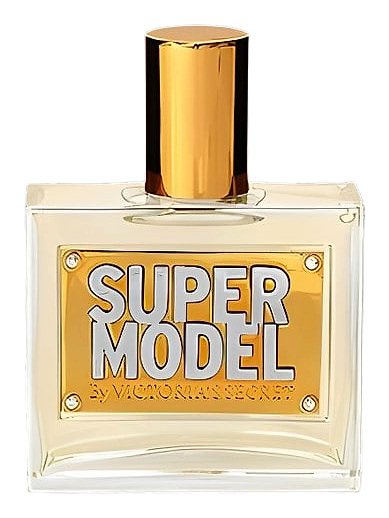
Supermodel landed in 2007 when Victoria's Secret occupied a particular kind of cultural real estate, the brand everyone had an opinion about, whether they wore it or not. Ron Winnegrad built this one with a specific brief: capture the confidence of someone who knows exactly how they look. Not trying to be quiet about it. The name was a statement, borrowing the cultural weight of the era's supermodel era, when the Victoria's Secret fashion show was appointment television. This wasn't a subtle fragrance. It was meant to walk into a room.
What makes Supermodel work better than it had any right to is that the fruity-floral structure never tries to be something it's not. Red berries, peach blossom, sandalwood, the pyramid is simple. But the balance earns attention. The sweetness doesn't crawl; it walks in with posture. The sandalwood in the base is what stops it from becoming disposable. It's approachable without being forgettable, which is a harder trick than it sounds when your name is Supermodel.
The evolution
The opening hits fast. Red berries arrive with that Chinese berry brightness, tart, a little syrupy, immediate. There's no slow build here. Within the first 15 minutes, the peach blossom takes over the heart, softening the berries into something warmer and floral without killing the sweetness. The sandalwood takes its time. Doesn't show up in the first hour. But when it arrives around hour three, it becomes the tell, warm, creamy, close to the skin. Lasts into the evening on most skin types, lingering intimate and quiet rather than announcing itself. The next day, there's a faint sweetness left on fabric.
Cultural impact
Supermodel arrives at the height of Victoria's Secret cultural dominance, the fashion show era when the brand was inescapable in American retail and pop culture. The fruity-floral category was crowded, but Supermodel carved space through sheer confidence of execution. It's since been discontinued, which only sharpened its cult appeal among those who remember it.
The House
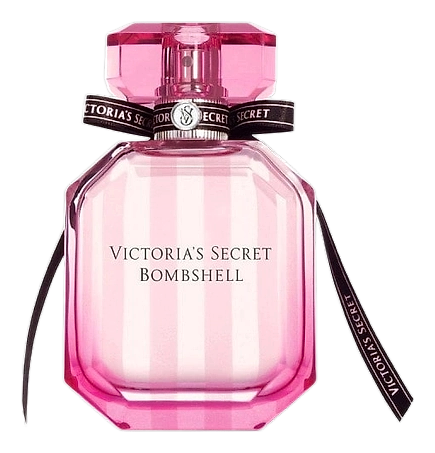
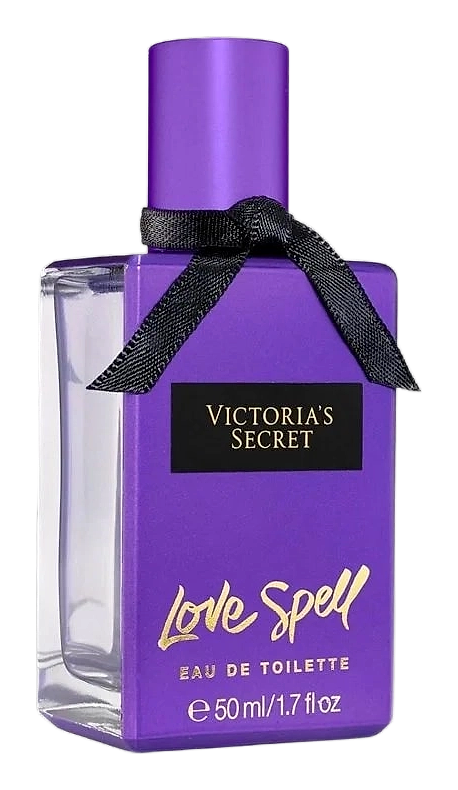
Victoria's SecretVictoria's Secret began as a San Francisco lingerie company founded in 1977 by Stanford graduate student Roy Raymond and his wife Gaye. The brand entered fragrance in 1989, launching its first perfume Victoria as part of a national magazine campaign. By the early 1990s, the company had grown to 350 stores nationwide with estimated sales of $1 billion. The beauty division grew substantially enough to generate nearly $1 billion in sales by 2006. Victoria's Secret fragrances are developed through Givaudan's Paris laboratory, the same fragrance house behind perfumes for Tom Ford, Prada, and Louis Vuitton. The brand works with a rotating roster of over 30 perfumers rather than a single in-house nose, creating scents for its Dream Angels, Very Sexy, Body, and Pink collections. Popular fragrances include Bombshell, Love Spell, Tease, and Heavenly, which ranked as the top-selling fragrance in the United States by both revenue and volume from 2005 to 2010. Victoria's Secret has won 20 Fragrance Foundation awards since 2001. The company offers fragrances alongside perfumed body care products including body mists, body lotions, and eau de parfum in various formats.
The Creator
Ron WinnegradWinnegrad's technical background in aroma chemical development gave him an unusually deep understanding of molecular behavior. His fragrances tend to balance structure with emotional resonance, moving between crisp, clean compositions like Lagerfeld Classic and Baby Soft Colog…