



    Brand Profile

    Clarins began as a Parisian beauty institute and grew into a global name for plant‑based skincare. In the 1980s the house extended its exper…More

    France·Est. 1954·Site

    4.1

    Rating

    11
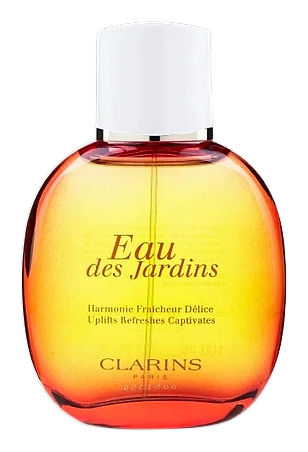
    Eau des Jardins by Clarins
    Best Seller
    4.1

    Eau des Jardins

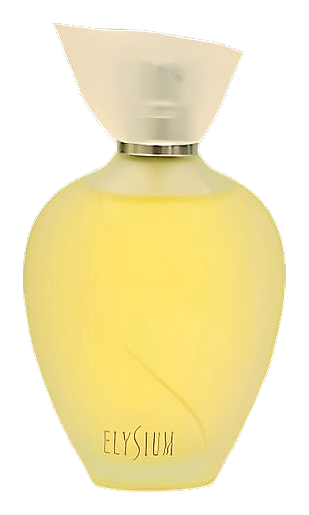
    Elysium by Clarins
    Best Seller
    4.5

    Elysium

    Eau Dynamisante by Clarins
    Best Seller
    4.0

    Eau Dynamisante

    Clarins Men Energizer by Clarins
    4.0

    Clarins Men Energizer

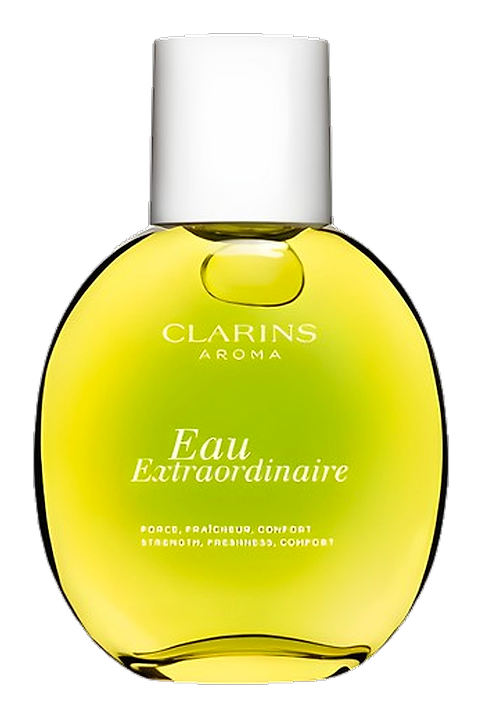
    Eau Extraordinaire by Clarins
    4.0

    Eau Extraordinaire

    Eau Ressourcante by Clarins
    4.0

    Eau Ressourcante

    Eau Dynamisante Collector Heart Edition 2010 by Clarins
    4.0

    Eau Dynamisante Collector Heart Edition 2010

    Eau Dynamisante 25th Anniversary Fragrance Spray by Clarins
    4.0

    Eau Dynamisante 25th Anniversary Fragrance Spray

    Par Amour by Clarins
    4.0

    Par Amour

    Eau Ensoleillante by Clarins
    3.9

    Eau Ensoleillante

    Par Amour Toujour by Clarins
    3.9

    Par Amour Toujour

    The Heritage

    The Story of Clarins

    Clarins began as a Parisian beauty institute and grew into a global name for plant‑based skincare. In the 1980s the house extended its expertise to fragrance, offering scents that echo the same botanical focus. Today the line includes Eau Dynamisante, Eau des Jardins and the recent Eau Extraordinaire, each presented in clean glass bottles that reflect the brand’s understated elegance.

    Heritage

    Jacques Courtin‑Clarins opened his first spa on Rue Tronchet in Paris on 15 March 1954. He combined his training in aromatherapy with a scientific approach to plant extracts, creating a small but influential beauty laboratory. By the early 1970s the spa evolved into a full‑service cosmetics company, introducing the first Clarins skincare range in 1974. The brand remained family‑run, with Jacques handing leadership to his children in the 1990s while preserving the original research‑driven ethos. In 1987 Clarins launched its inaugural fragrance, Eau Dynamisante, a scent marketed as a “dynamising” spray that complemented the energetic feel of its skincare line. The 1990s saw the introduction of Elysium (1993) and a series of limited‑edition releases that kept the fragrance portfolio fresh. The early 2000s added Eau Ressourcante (2003) and Eau Ensoleillante (2007), each built around specific botanical ingredients sourced from French and Mediterranean regions. A notable milestone arrived in 2010 with Eau des Jardins, a garden‑inspired composition that highlighted the brand’s commitment to natural aromatics. Clarins continued to diversify with a men’s line in 2020 (Clarins Men Energizer) and the launch of Eau Extraordinaire in 2022, demonstrating that the company still values innovation rooted in its original plant‑centric philosophy. Throughout its history the house has emphasized independence, refusing external investment to protect its research agenda and sustainable sourcing commitments.

    Craftsmanship

    The production of Clarins fragrances starts in the company’s French laboratory, where chemists work alongside botanists to extract aromatic compounds from plant material. Cold‑press and steam‑distillation methods preserve the integrity of volatile oils, while CO₂ extraction is employed for delicate flowers that would lose nuance under heat. Each raw material is accompanied by a certificate of origin; the brand audits farms in France, Morocco and Greece to verify sustainable practices. After extraction, the ingredients are blended in small batches under the supervision of a senior perfumer, who adjusts ratios to achieve the intended character. Quality control includes gas‑chromatography analysis to confirm the purity of each component and stability testing that simulates temperature fluctuations over twelve months. Bottles are manufactured in a French glass facility that uses recycled silica, and caps are produced from recycled aluminum. The final product is sealed in a nitrogen‑flushed environment to protect the fragrance from oxidation. Throughout the process Clarins records every batch, enabling traceability from field to shelf. This rigorous approach reflects the brand’s broader commitment to scientific precision and ecological responsibility.

    Design Language

    Clarins presents its fragrances with a visual language that mirrors its skincare line: clear glass vessels, soft pastel accents and minimal typography. The Eau Dynamisante bottle, for example, features a slender, transparent silhouette topped with a brushed‑metal cap that catches the light without overwhelming the scent inside. Labels use a restrained serif font in muted green, evoking the botanical ingredients highlighted on the product page. Seasonal releases often incorporate subtle botanical illustrations—lavender sprigs for Eau Ressourcante or citrus blossoms for Eau Ensoleillante—etched onto the glass or printed on the inner label. The overall image conveys calm confidence, inviting the wearer to experience nature’s purity rather than a flash of opulence. In retail displays, Clarins pairs its fragrances with small potted herbs, reinforcing the connection between the scent and its living source. The brand’s advertising photography favours natural light, soft focus and close‑up shots of leaves or petals, reinforcing the idea that each perfume is a distilled garden.

    Philosophy

    Clarins treats fragrance as an extension of its skin‑care science. The house believes that scent should arise from authentic botanical ingredients rather than synthetic shortcuts. This belief drives a sourcing policy that favours cultivated herbs, responsibly harvested flowers and certified essential oils. The brand also stresses transparency; each fragrance note is disclosed on the product sheet, allowing consumers to trace the botanical origin. Sustainability sits at the core of the philosophy: Clarins pledges to obtain 100 % of its plant raw materials from certified farms, to minimise water use in formulation, and to design refillable packaging where feasible. The creative vision balances tradition with modernity, drawing on classic French perfumery structures while integrating contemporary green chemistry. By aligning olfactory experience with skin health, Clarins aims to create scents that uplift the senses without compromising the body’s natural balance.

    Key Milestones

    1954

    Jacques Courtin‑Clarins opens his first beauty spa on Rue Tronchet in Paris, laying the foundation for the Clarins brand.

    1974

    Clarins releases its first skincare line, establishing a reputation for plant‑based formulas.

    1987

    The house launches its first fragrance, Eau Dynamisante, introducing a scent designed to energise the wearer.

    1993

    Elysium debuts, expanding the fragrance portfolio with a fresh, citrus‑driven composition.

    2007

    Eau Ensoleillante is introduced, highlighting sun‑kissed Mediterranean botanicals.

    2010

    Eau des Jardins arrives, inspired by garden flora and emphasizing sustainable sourcing.

    At a Glance

    Brand profile snapshot

    Origin

    France

    Founded

    1954

    Heritage

    72

    Years active

    Collection

    1

    Fragrances released

    Avg Rating

    4.1

    Community sentiment

    Release Rhythm

    2022
    1
    2020
    1
    2012
    1
    2010
    2
    2007
    1
    2005
    1
    2003
    1
    1993
    1
    clarins.com

    Did You Know?

    Interesting Facts

    Distinctive details and defining moments that shape the house personality.

    01

    Clarins remains a family‑owned company; no external shareholders have acquired a controlling stake since its founding.

    02

    The brand’s fragrance line was one of the first in France to label each note with its botanical origin, a practice now common among niche houses.

    03

    Clarins’ sustainability program includes a pledge that every botanical ingredient used in its perfumes will be traceable to a certified farm by 2025.

    04

    Eau Dynamisante was marketed as a ‘spray‑on perfume’, a format that anticipated today’s interest in lighter, on‑the‑go fragrance applications.

    The Artisans

    The Perfumers