The Story
Why it exists.
The beginning
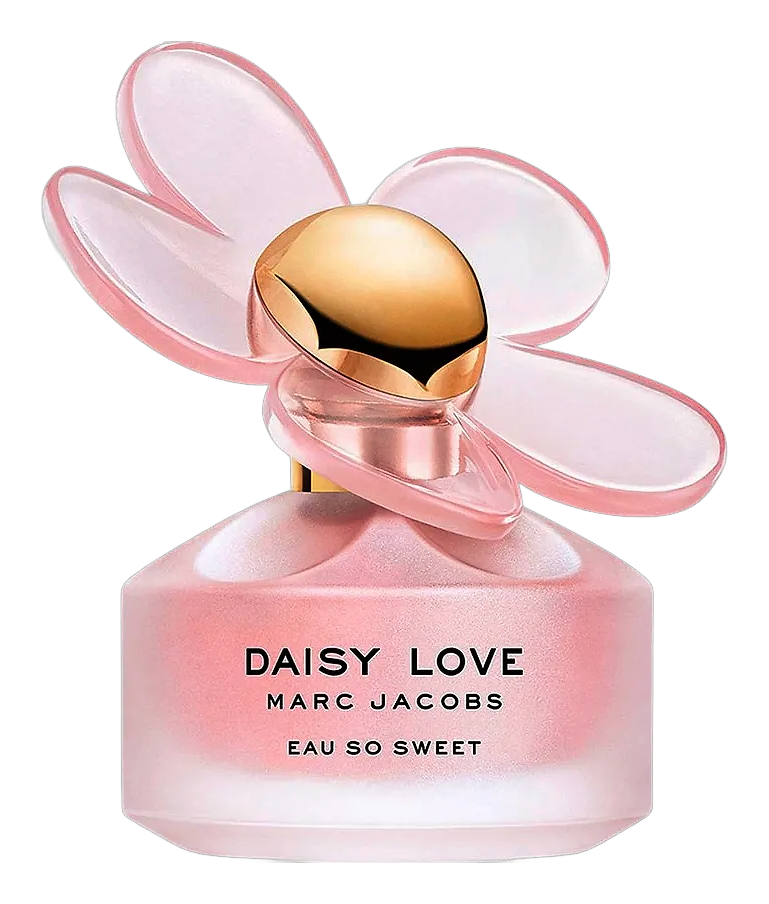
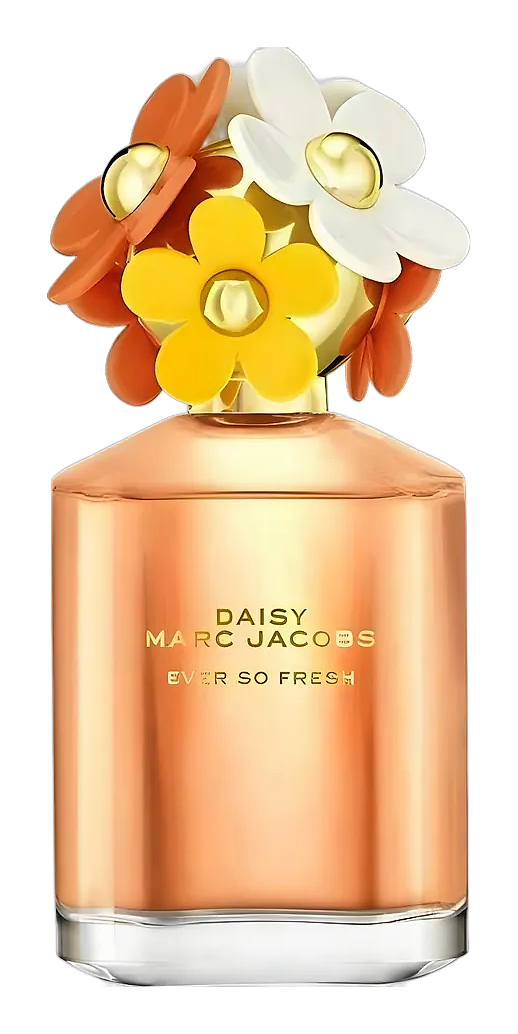
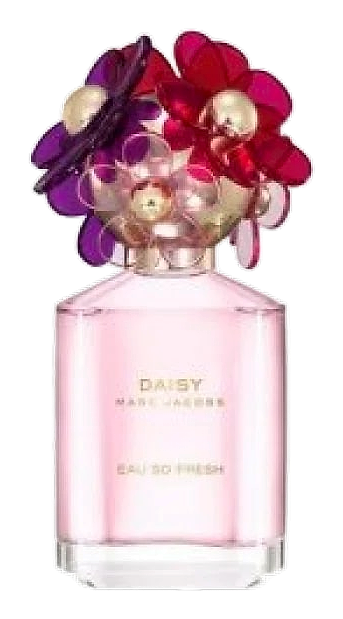
Sorbet arrived in 2015 as a limited flank within Marc Jacobs' Daisy line. The fragrance came together through a collaboration with Richard Herpin of DSM-Firmenich, who signed on to develop the composition. Sorbet leans into fruit and cool florals, an aromatic register that reads clean, bright, and lightly chilled on first encounter. The work at DSM-Firmenich involved shaping a formula around mandarin, violet, magnolia, and jasmine, with a soft base of musk and woods to anchor the brighter notes above.
What makes Sorbet worth a second look is the way it handles its floral heart. Magnolia and jasmine together can easily tip into humid, almost tropical territory, but here they're threaded through violet and lifted by mandarin up top. That violet runs cool against the petals, dusting them with a faint, powdered finish that keeps the whole composition from drifting into candy-sweetness. It's a cool floral wearing a glossy coat, not a soft one, and the violet-to-petal ratio is what gives Sorbet its particular character.
The evolution
The first ten minutes are where Sorbet makes its case. Mandarin orange and apple blossom hit bright and almost effervescent, the kind of opening that makes you lift your wrist to check whether it's actually a cologne. Lotus softens the citrus without dampening it, and within twenty minutes you're inside the floral: magnolia opening up like a paper flower dropped in water, jasmine hovering just behind it, violet lending the whole thing a faint cool-powder edge. The drydown arrives somewhere around the two-hour mark. Musk and soft woods take over, and the scent settles close to the skin. The progression feels deliberate, each phase stepping down in volume while keeping the same clean, daytime character. The mandarin's brightness doesn't vanish so much as fold into the floral, which then folds into the woody base, and the trail stays gentle rather than filling a room.
Cultural impact
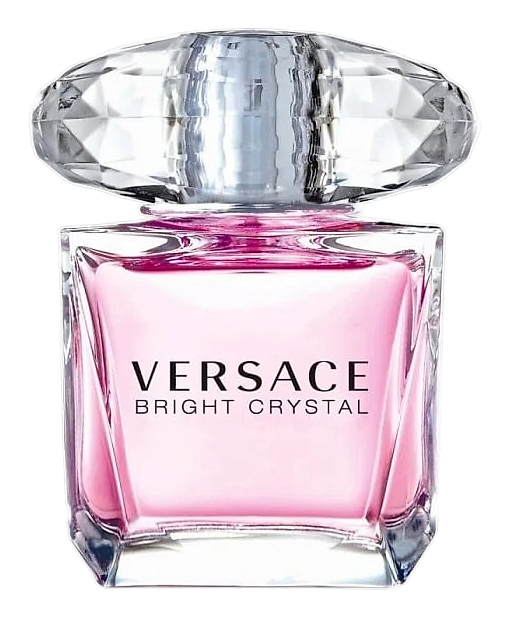
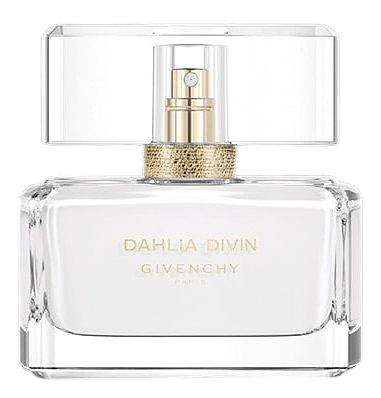
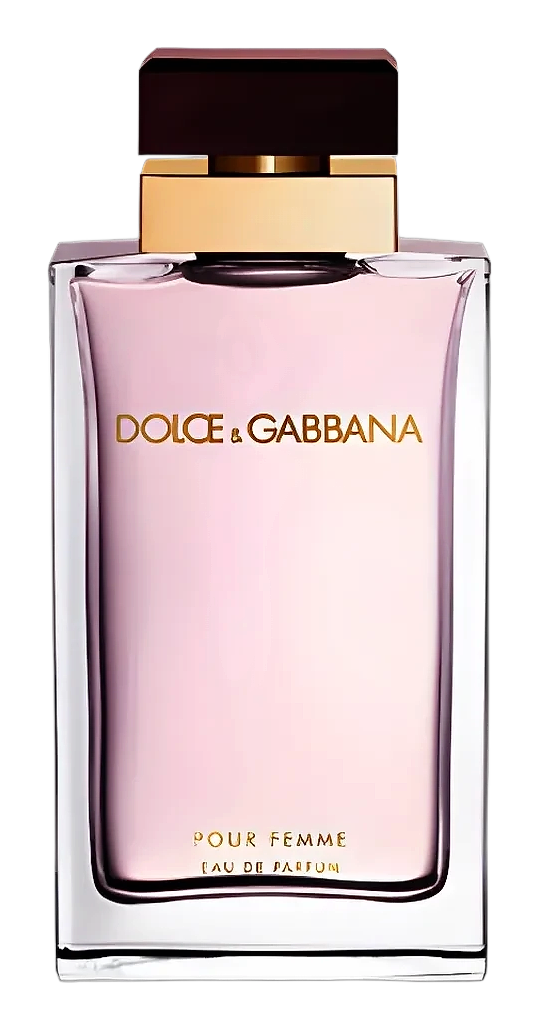
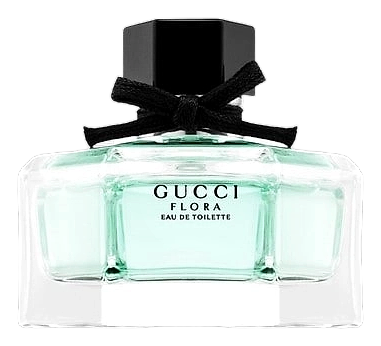
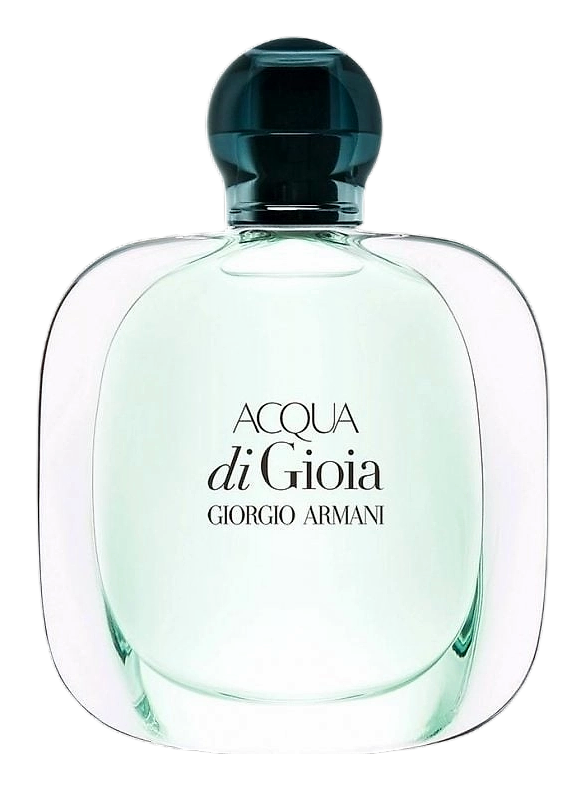
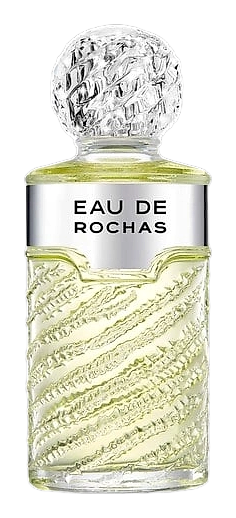
Sorbet occupies an unusual spot within the broader Daisy collection, a limited-edition expression that leans further into chilled-fruit territory than its core siblings. Within fragrance communities, it tends to be mentioned alongside Versace Bright Crystal and Givenchy Dahlia Divin Eau Initiale as fragrances that chase a similar translucent, airy register. The shared reference points make sense on paper: light florals, fruit-led openings, soft drydowns, and a clean overall feel that works well in warmer weather.
The House
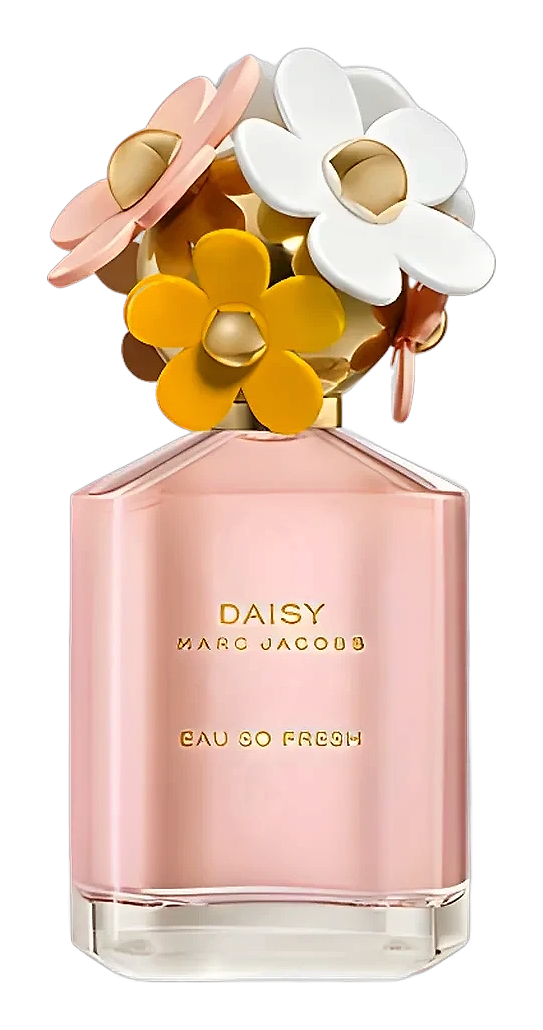
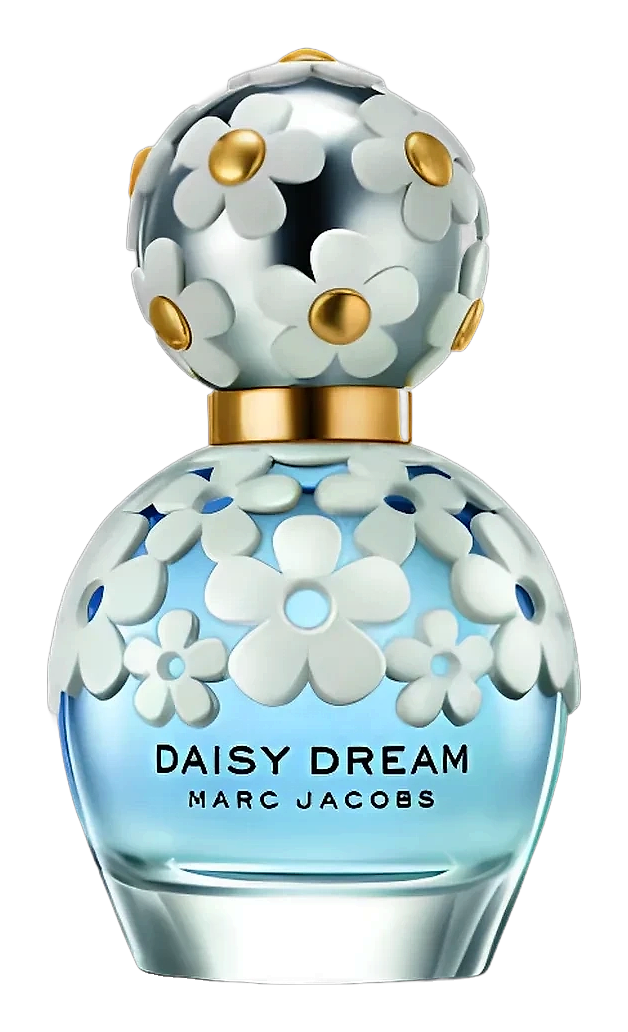
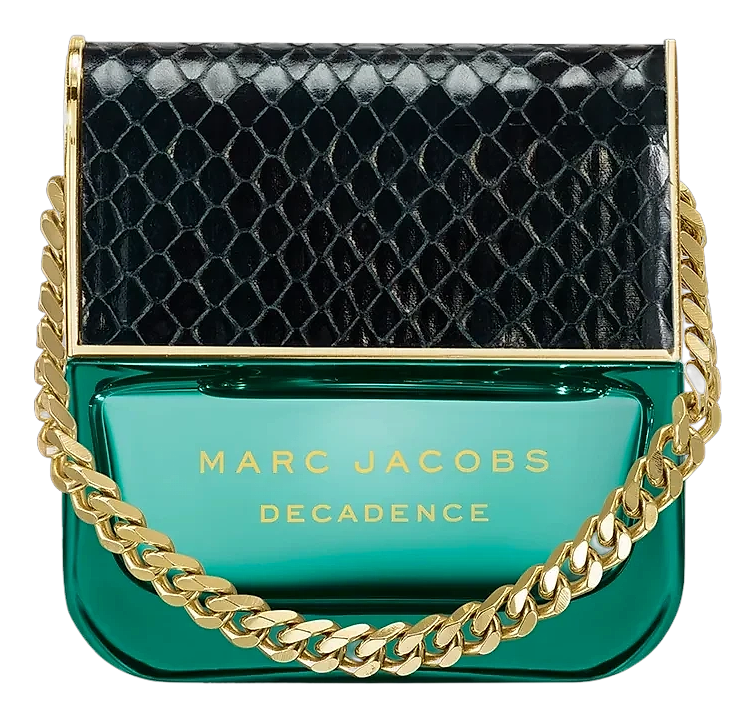
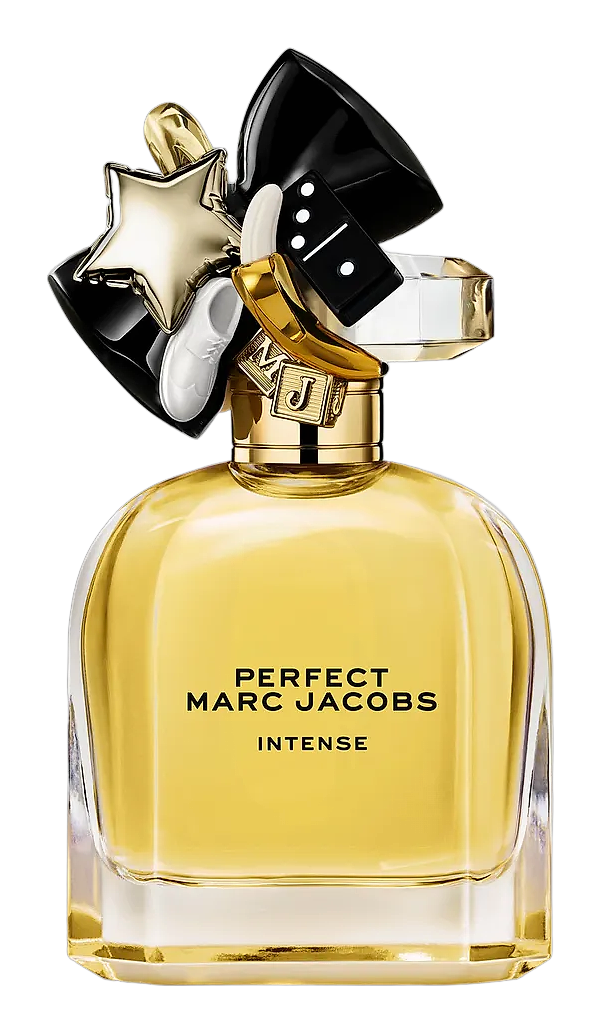
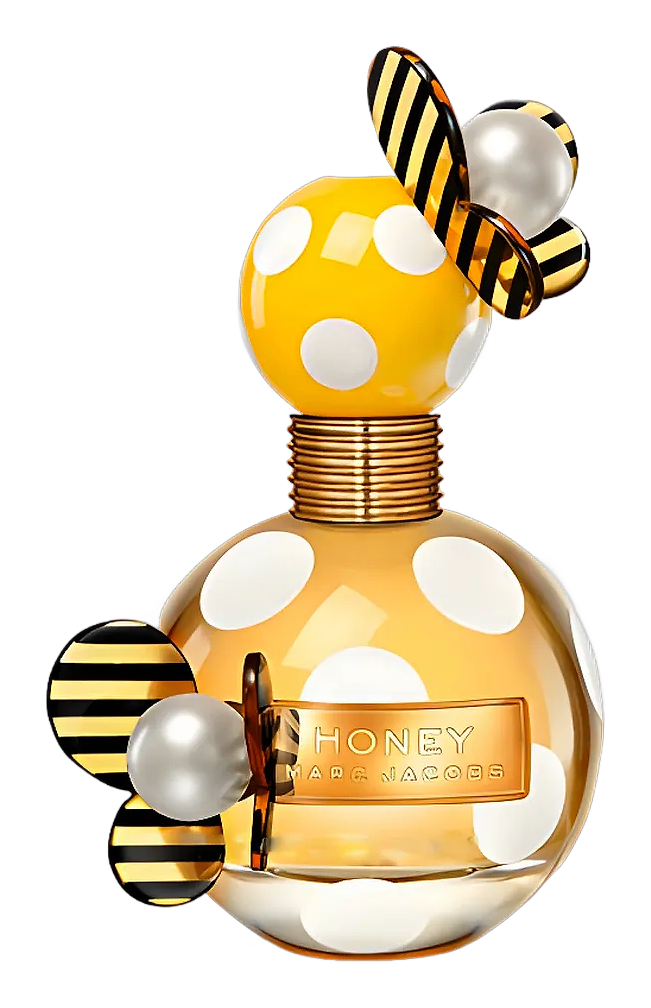
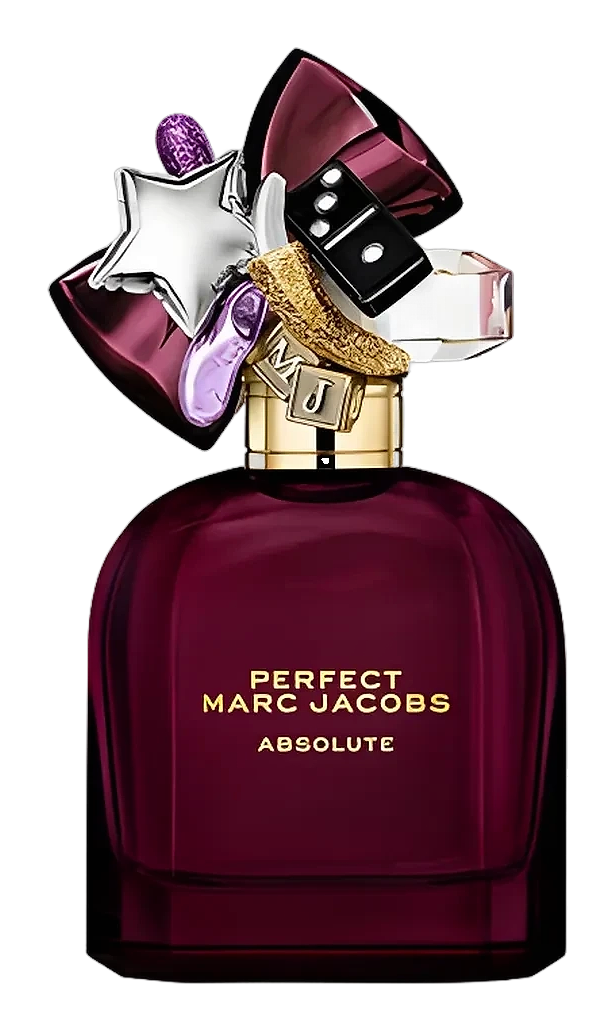
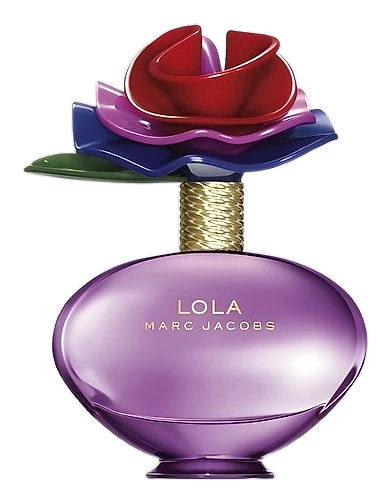
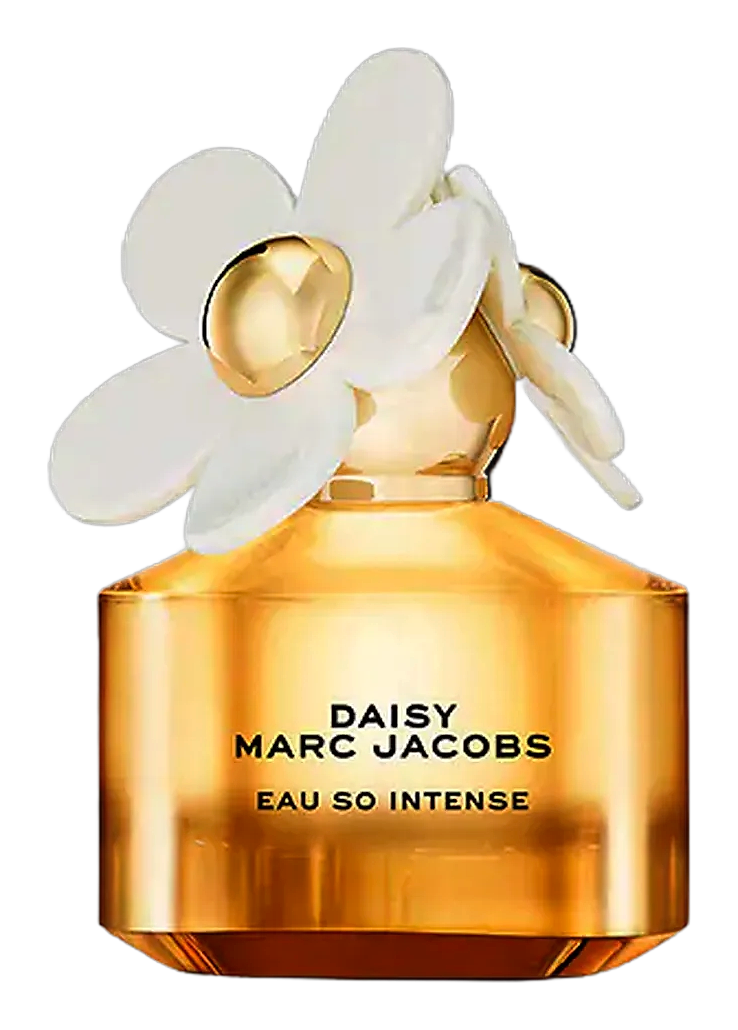
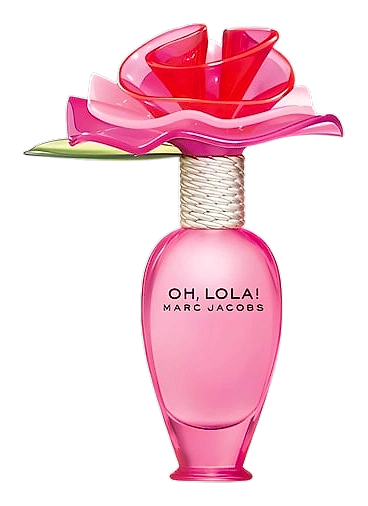
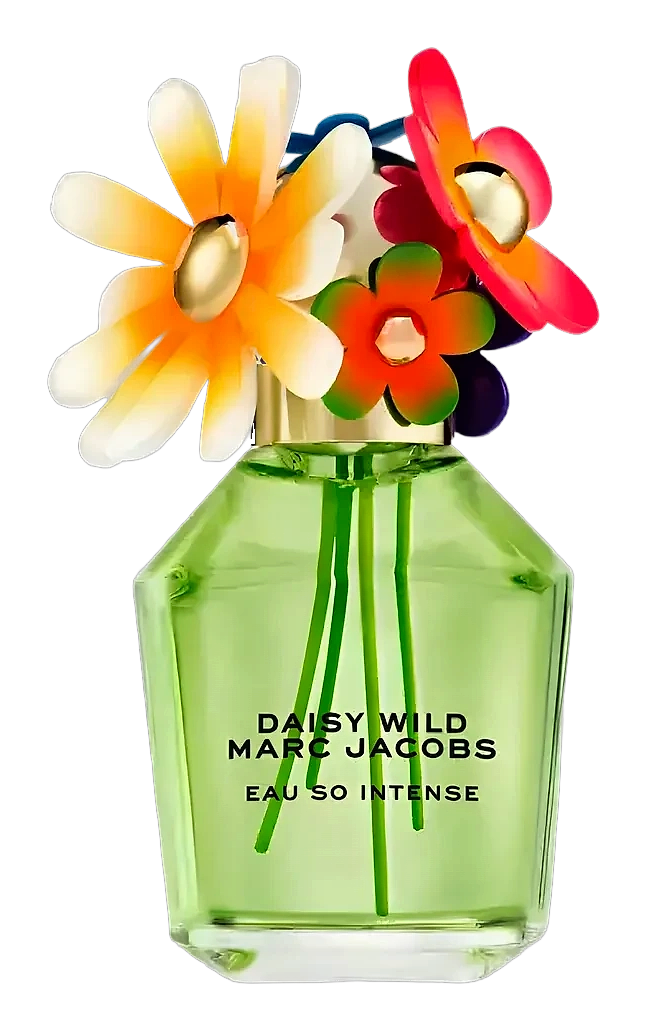
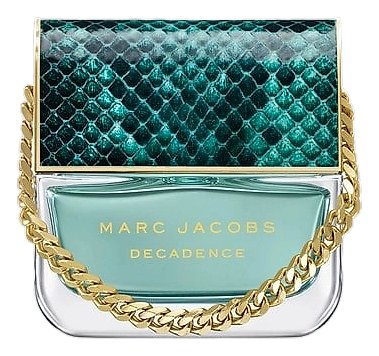
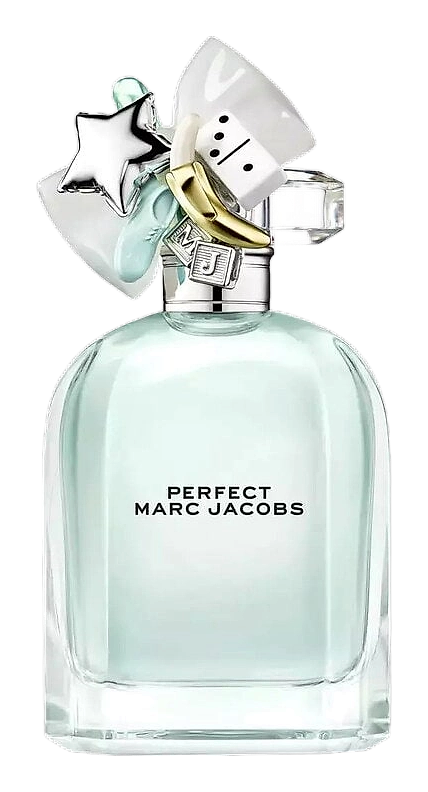
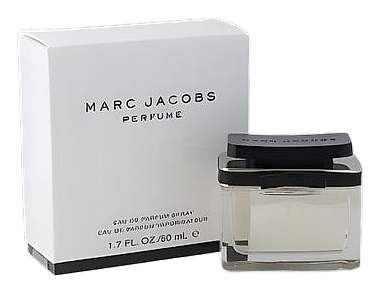
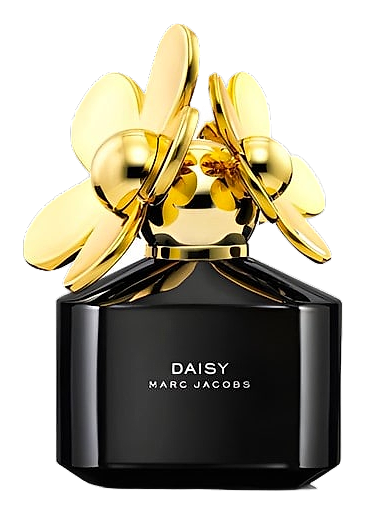
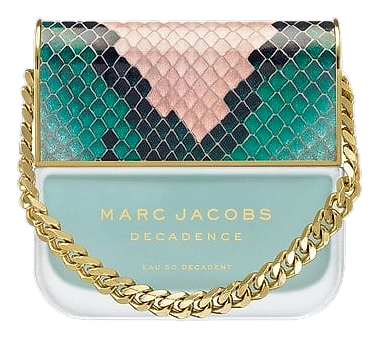
Marc JacobsMarc Jacobs fragrances, produced under license by Coty, launched in 2001 with Marc Jacobs for Women, followed by a companion men's scent in 2002. The brand has since built an extensive portfolio of fragrances anchored by signature lines including Daisy (2007), Lola (2009), Decadence (2015), and Perfect (2020). Daisy, named after Daisy Buchanan from F. Scott Fitzgerald's The Great Gatsby, quickly became a defining success for the brand, spawning numerous flankers and variations across multiple collections. The line's visual identity, with its oversized daisy cap atop a clean bottle, became one of the most recognizable silhouettes in contemporary perfumery. Decadence introduced a handbag-shaped bottle on a gold tasselled chain, a notably unconventional vessel for fragrance at the time of its launch. The brand has collaborated with a broad roster of perfumers over the years, including Annie Buzantian, Ann Gottlieb, Steve DeMercado, Loc Dong, Alberto Morillas, and Calice Becker, among many others. Marc Jacobs fragrances are available at major department stores worldwide and online.
The Creator
Richard HerpinHis style tends toward carefully constructed accords, often with a grounding base that allows brighter top notes to shine. He's not afraid to use synthetics alongside naturals, blending them seamlessly to create textures and effects that are both modern and timeless.