The Story
Why it exists.
The beginning
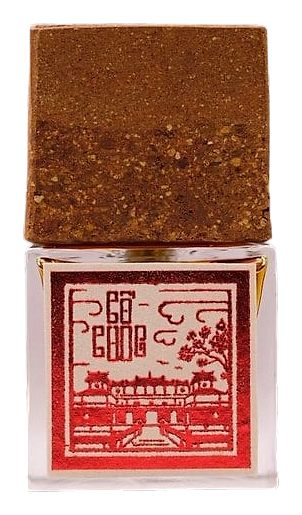
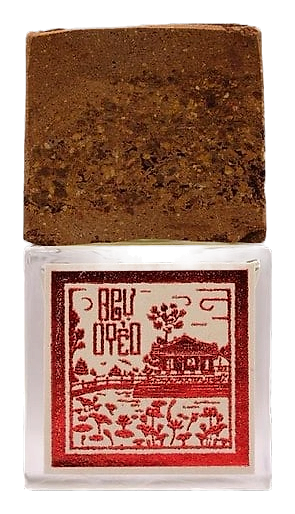
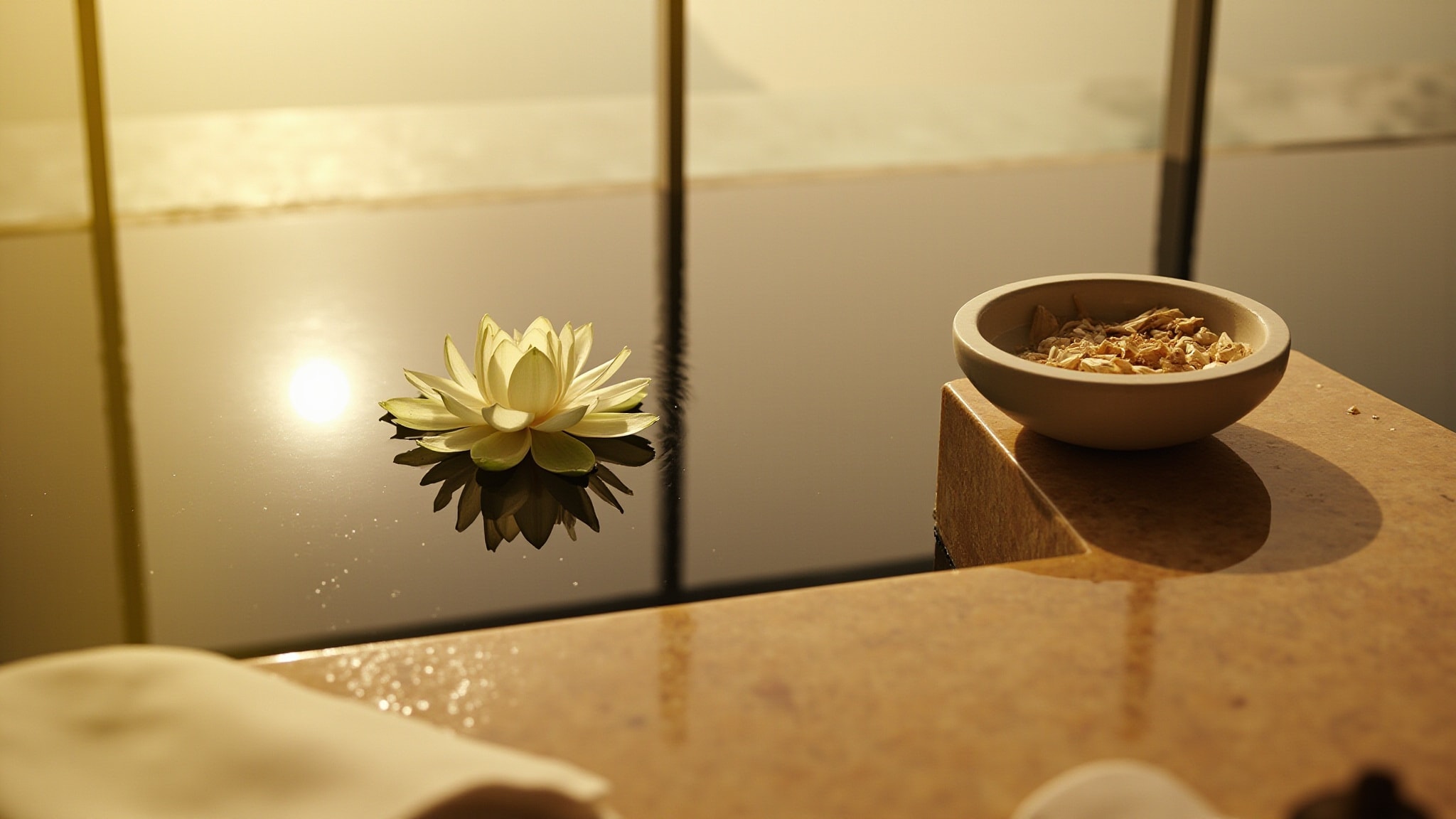
Ngự Uyển translates roughly to 'imperial garden,' and the fragrance takes that title literally. Perfumer Nguyen Do composed it for the Cổ Thành Huế collection, a series centered on the imperial citadel of Huế, the seat of Vietnam's last imperial dynasty. The reference isn't architectural; it's botanical. The walled gardens behind the throne room, where carefully chosen blooms were cultivated for the court's quiet hours. Young figs and sweet flag bring the green entrance, then peony takes its turn before white lotus anchors everything. The lotus doesn't rush. It holds its scent upon still water. That's the soul of the composition. There's a patience in how these notes unfold, a sense that the fragrance was built to reward attention rather than demand it.
What separates Ngự Uyển from a standard floral is the restraint. Five flowers share the heart (ylang-ylang, white lotus, camellia, peony, rose) yet none of them compete. Calamus adds a grassy-cool green that steadies the entire composition, a counterweight to all that floral sweetness. Aquatic notes in the base feel mineral and still, less about movement than about the quiet of water sitting undisturbed. It's a composition that prizes atmosphere over volume. Ylang-ylang brings a faint banana-skin warmth underneath, just enough to keep the florals from feeling cold.
The evolution
The first spray is green and slightly sharp, fig leaf and calamus reading almost herbal, like tearing a stem in a humid garden. The Nashi pear surfaces early, adding a crisp sweetness that sets the tone: this won't be a heavy floral. Soon after, white lotus arrives on a bed of peony and camellia, soft and watery. It smells like petals resting on a still pond, with ylang-ylang underneath adding a faint tropical cream. The rose is present but demure, more a suggestion than a statement. As the composition settles, the florals recede. Aquatic notes and cedarwood take over, clean and slightly mineral, the kind of scent that lingers on a collar or a scarf rather than filling a room. In the later stages of the wear, what remains is a close-skin musk, sheer and warm. On clothing, there's a ghost of lotus and cedar, like the scent of a garden you visited once and still remember.
Cultural impact
Ngự Uyển draws its soul from the walled gardens of the imperial citadel at Huế, those cultivated green spaces behind the throne room where carefully chosen blooms were grown for the court's quieter moments. The name itself, meaning Royal Garden, anchors the fragrance in a specific place and a specific kind of stillness. The composition reads like an attempt to bottle that atmosphere: green and watery, softly floral, built around the slow presence of white lotus and the grassy cool of calamus. Calamus brings its slightly bitter, rooty green to the opening, a note that steadies the brighter sweetness of nashi pear and fig.