The Story
Why it exists.
The beginning
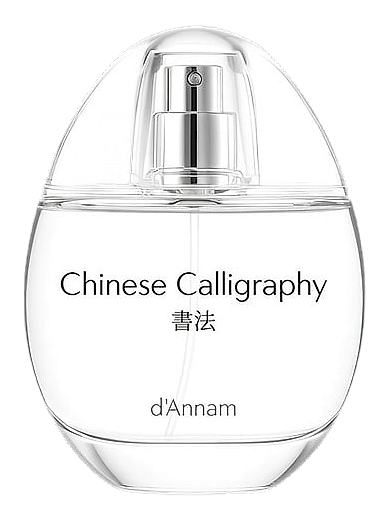
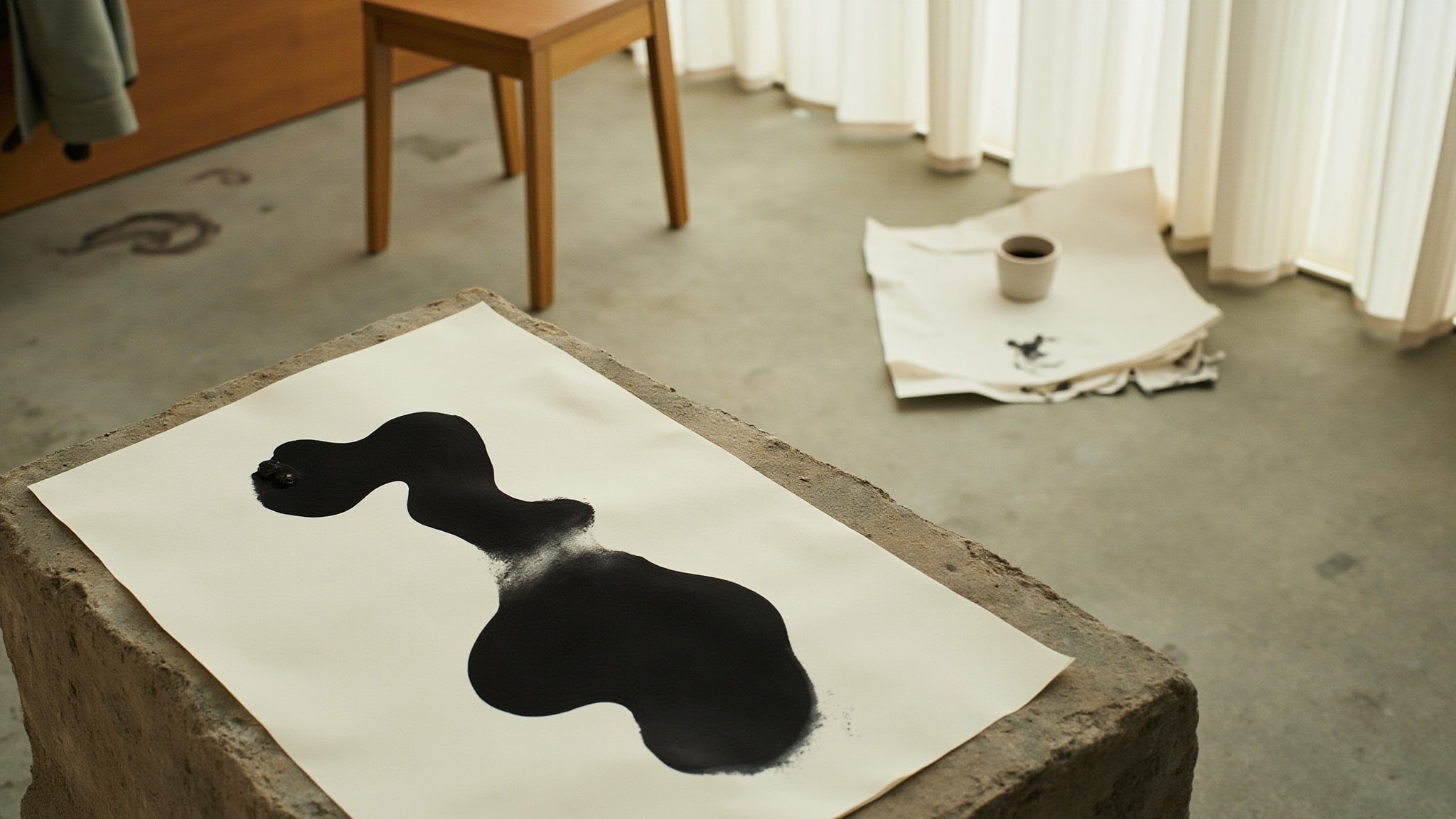
Chapter 3: Majestic China continues d'Annam's exploration of East Asian heritage, and Chinese Calligraphy might be its most intellectually bold statement yet. The inspiration is explicit, the living art of calligraphy itself, where each brushstroke carries intention, history, and centuries of refinement. The challenge lies in translating a practice into olfactory form. The answer lies in what Chinese Calligraphy is actually made of, paper as the medium, ink as the mark, and varnish as the binding element. Coffee adds warmth. Orchid adds a quiet floral softness that softens the composition. This is heritage scent as conceptual art, d'Annam asking what it means to carry a civilization's memory on your skin.
The note combination includes Paper, Varnish Accord, Ink, Coffee, Orchid. These materials interact in unexpected ways. Varnish and coffee sit in interesting tension. Ink and orchid each bring their own character. The composition works because each note amplifies the others. Paper and varnish provide texture and body. Coffee adds warmth that prevents the whole thing from reading cold. Orchid introduces a powdery floral element that bridges the gap between aromatic and woody. The result is smoky, powdery, and earthy, an accord profile that unfolds in layers.
The evolution
The opening announces itself with paper and varnish first, a textured presence that transitions quickly. Ink follows, dark and mineral. Coffee grounds arrive third, warming the composition from the bottom up. Orchid floats beneath, a quiet floral presence that brings softness to the structure. This phase continues as the materials settle into each other. The heart is where the composition deepens. Ink and paper become more pronounced here, their relationship evolving as the coffee element grows. Coffee deepens, becoming more present, while orchid moves forward to assert itself as a powdery floral presence. The overall effect is warm, smoky, and earthy. The drydown shifts the composition. Coffee lingers longest, but transformed from the opening, deeper and slower in its presence.
Cultural impact
Chinese Calligraphy occupies a distinctive space among contemporary fragrances. The coffee-paper-ink combination offers something less commonly found in mainstream scent profiles. d'Annam's Chapter 3: Majestic China collection explores East Asian heritage, bringing cultural landscapes into olfactory form. Reviewers describe it as the scent of dusty offices, of makeup powders, of scholarly studios. It is a fragrance that rewards attention.