The Story
Why it exists.
The beginning
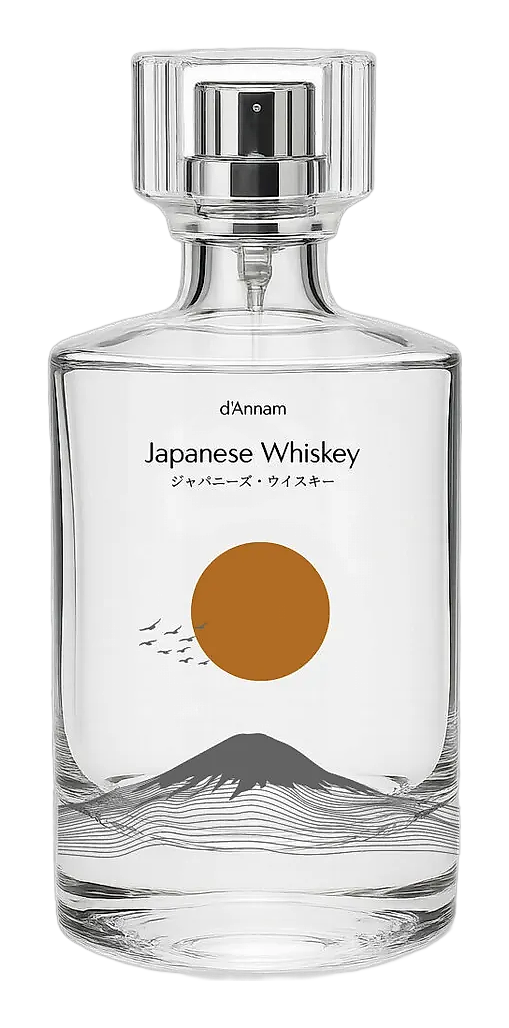
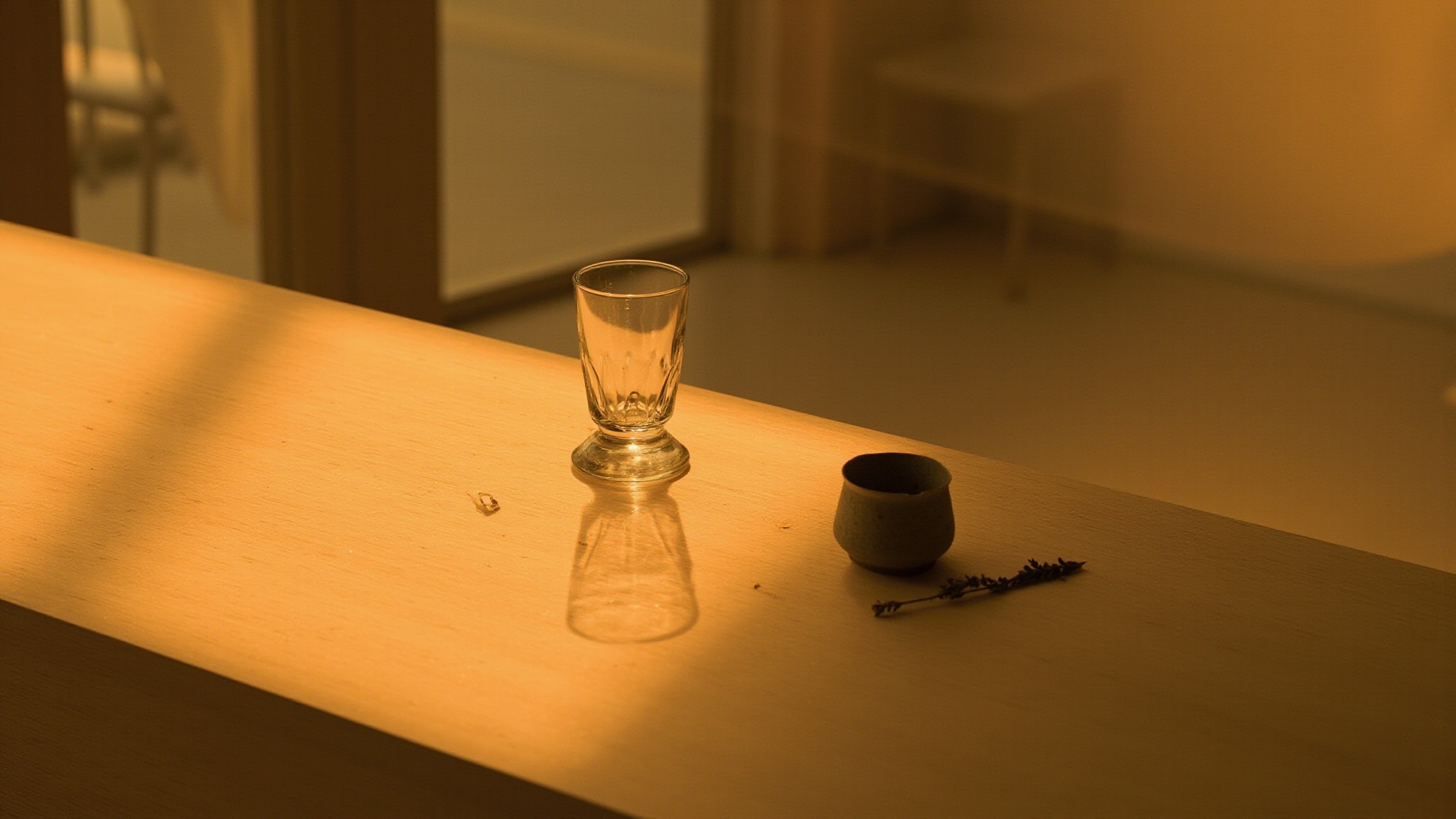
Chapter 2: Memories of Japan. d'Annam's founder Nick Hoang grew up in the Vietnamese countryside, surrounded by lotus blossoms and morning dew on rice paddies. He left, he missed those smells, and he decided to do something about it. The first collection translated Vietnamese memory into scent. The second reaches east, across the Sea of Japan, into a culture shaped by craft, restraint, and time spent in wood. Japanese Whiskey is that chapter's centerpiece. It's named for the moment: the amber pour, the smoke, the warmth without the buzz. Perfumer Anh Ngo didn't try to recreate a distillery. He went after the feeling of holding a glass in Japan, late evening, warm light, the barrel-aged something behind it all. That became this.
The whiskey accord here is the hook, but the structural move is the malted barley. It doesn't sweeten the fragrance, it gives it weight. Grain warmth, the kind that reads as either porridge or caramel depending on your nose and your mood. It's present from the opening and it never fully leaves, acting as a connective thread through the heart and into the drydown. Paired with chestnut, the barley takes on a toasted, almost roasted character, as if the malt was aged in something smaller than a whisky barrel. Sandalwood arrives late and shifts the register from grain to cream. The transition is subtle but crucial. You're not going from light to dark. You're going from warmth to warmth with a softer texture.
The evolution
The whiskey opens sharp then fades inside ten minutes. What replaces it isn't weaker, it's the clary sage, arriving cool and herbal, a green counterpoint that keeps the aromatic structure from flattening entirely. The baton passes again within the hour to malted barley and oak, and now the fragrance reads as a warm room rather than a spilled glass. The drydown keeps going. Chestnut and sandalwood arrive gradually, the chestnut first, toasted, slightly nutty, present in the way that late-autumn air is present, and the sandalwood behind it, soft and creamy, turning the composition inward. By hour three, this is a skin scent. Intimate. Close. The kind of presence that only someone standing beside you would notice. On clothes, the story is different. The malted barley note hangs in there, and the drydown can show up the next morning, a warm, slightly sweet trace on fabric that needed washing. This morning warmth is the payoff.
Cultural impact
Japanese Whiskey arrives at a moment when whiskey culture has moved well beyond the bar. Craft whiskey consumption has boomed globally since the early 2010s, with enthusiasts investing in setups, subscriptions, and vertical tastings that mirror spirits' journey from spirit-forward cocktails to contemplative sipping. This fragrance capitalizes on that mindset, offering a way to engage with whiskey's warm, barrel-aged character without a glass in hand. d'Annam references the broader Japanese whiskey renaissance that began with global shortages of Nikka and Suntoro whisky in 2014-2015, when collectors realized Japan's small distilleries couldn't meet demand.