The Story
Why it exists.
The beginning
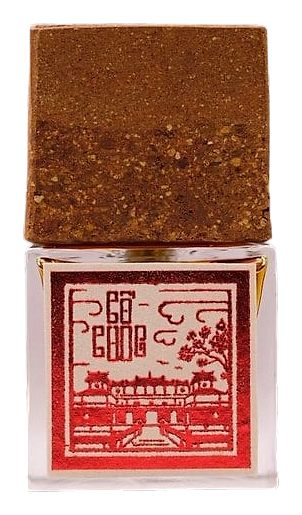
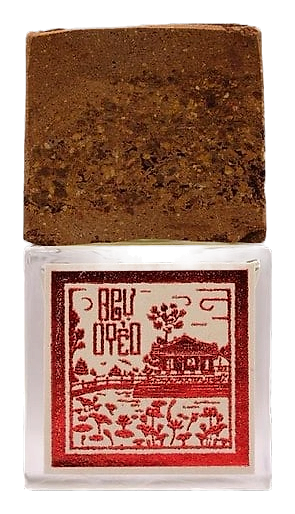
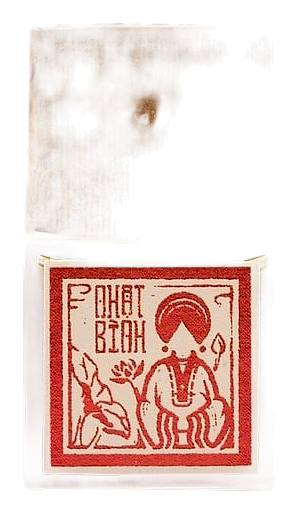
Nhật Bình takes its name from a garment of state, a piece of clothing meant to be worn in ritual rather than in passing. The fragrance draws on this Vietnamese reference point, composed by Nguyen Do, the brand's owner and perfume maker, as part of the house's Cổ Thành Huế collection. The fragrance bottle's cap, notably, is handcrafted entirely from laterite, grounding the object in a material that carries its own quiet authority. Rather than ornate decoration, the bottle itself presents with restraint: clean typography, muted palettes, and a Vietnamese title that carries its own cultural weight.
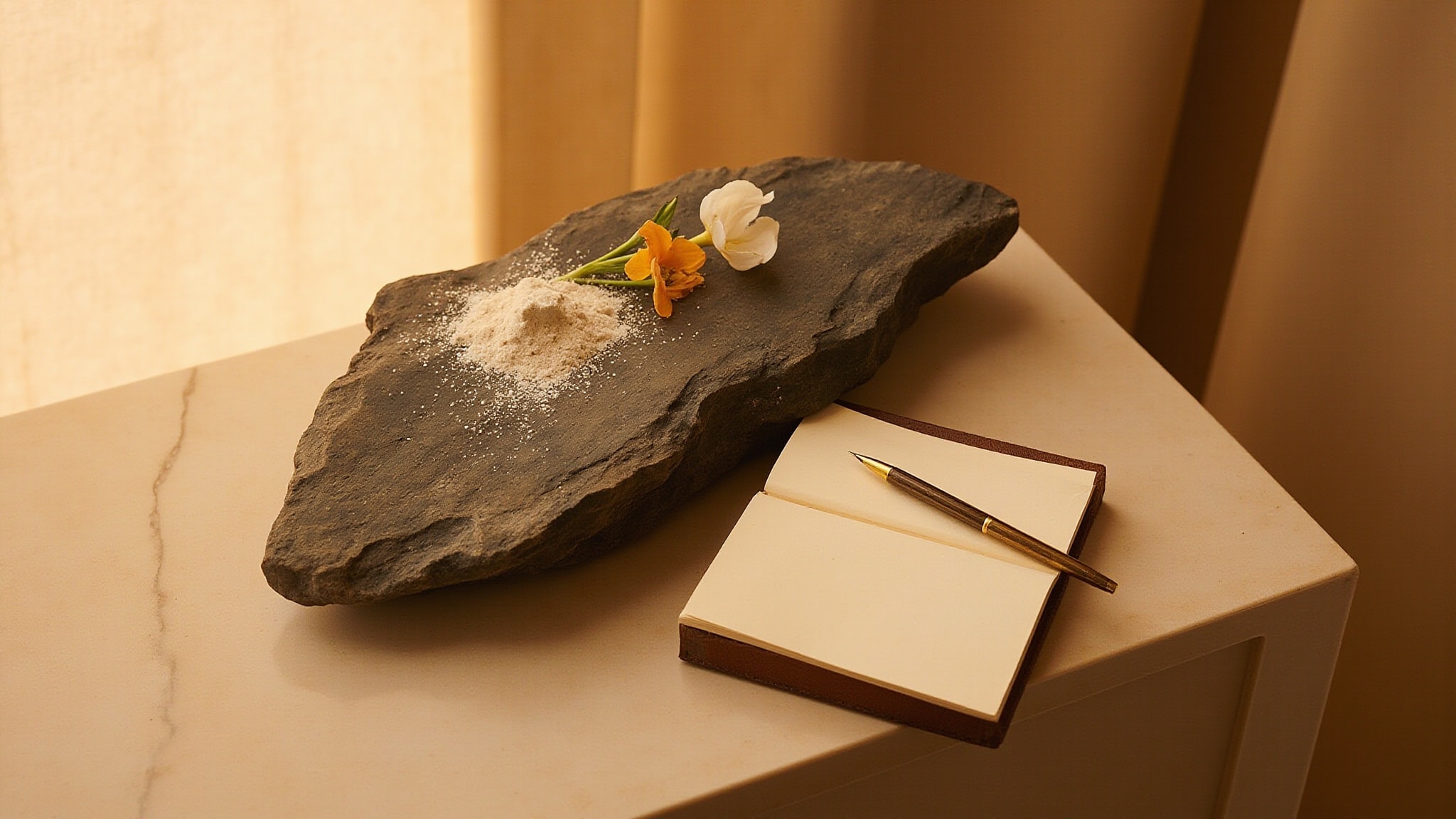
What sets Nhật Bình apart structurally is the placement of rice powder at the top of the pyramid rather than as a finishing touch. Placing it in the opening gives the fragrance an immediate tactile softness, a dryness that reads almost mineral on skin. There's a starchy, almost chalky quality at first spray that feels more atmospheric than edible, and the rice note doesn't dissolve quickly; it lingers, grounding the composition in something powdery and dry before the florals arrive. Underneath, saffron lends warmth and a faint bitterness, preventing the powder from drifting too clean.
The evolution
The first thirty minutes belong to the rice powder and orange blossom, an almost chalky softness that hovers above the skin like dust motes in late-afternoon sun. There's a dry, starchy quality that reads more atmospheric than edible, and the orange blossom weaves through it with a soapy, slightly waxy brightness that keeps the rice from feeling one-dimensional. Saffron threads through quietly, adding warmth without tipping into spice; it hums beneath the surface, more leathered than piquant, giving the opening a quiet depth. As the opening recedes, iris takes hold, cool, slightly rooty, with the powdery character deepening rather than fading. The musk beneath it smooths the edges, lending a clean-skin warmth that feels intimate rather than heavy.
Cultural impact
Nhật Bình centers Vietnamese references directly, invoking imperial ceremony through powder, silk-like softness, and quiet incense rather than adapting to established European structures. The composition speaks to wearers curious about how cultural depth can be rendered in modern, wearable form, an intimate, skin-close scent built for proximity rather than projection. The rice powder at the opening, the iris at the heart, and the incense threading through the base all gesture toward ceremony and ritual without literal illustration.