Gold
Gold is a poetic name for ambergris, the rare whale-derived fixative that perfumers prize for its warm, musky sweetness and exceptional longevity. It anchors fragrance compositions by slowing evaporation and adding a smooth, animalic depth once reserved for royalty.
Character
How it smells
The ocean's treasure that transforms perfume into liquid heritage.
Sperm whales produce ambergris to protect their digestive systems from sharp squid beaks, making this luxury ingredient an accidental marvel of nature.





Origin
Global oceans
The history of Gold in perfumery stretches back over 4,000 years to Mesopotamian clay tablets recording aromatic recipes. Ancient Egyptians incorporated whale-derived materials into their sacred fragrance blends, and Cleopatra's court certainly knew of its power. Medieval Islamic traders dominated ambergris commerce, valuing it as highly as spices and silks.
European Renaissance perfumers reserved it for nobility, and 19th century Paris saw it become the defining note of fashionable fragrances. By the industrial era, its scarcity drove exploration of synthetic alternatives, though natural ambergris commands prices reflecting its extraordinary rarity and heritage.
Wears it best
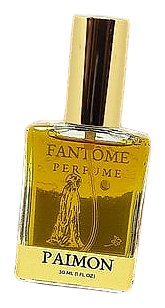
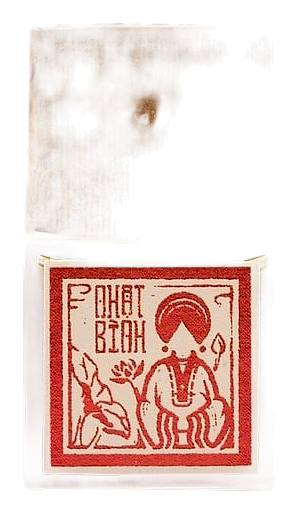
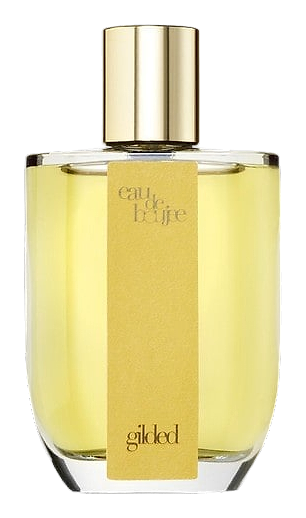
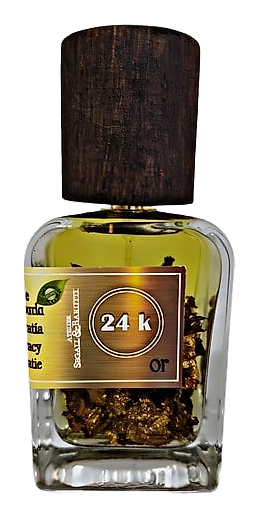
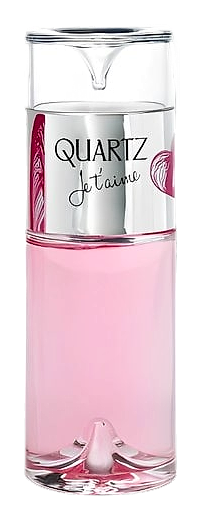
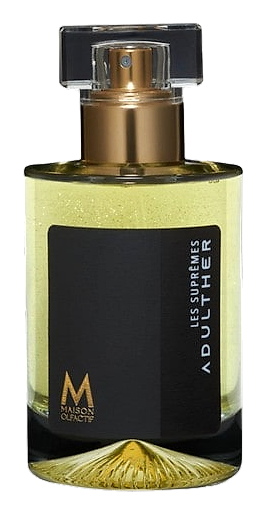
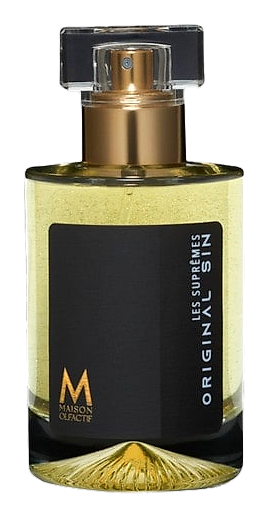
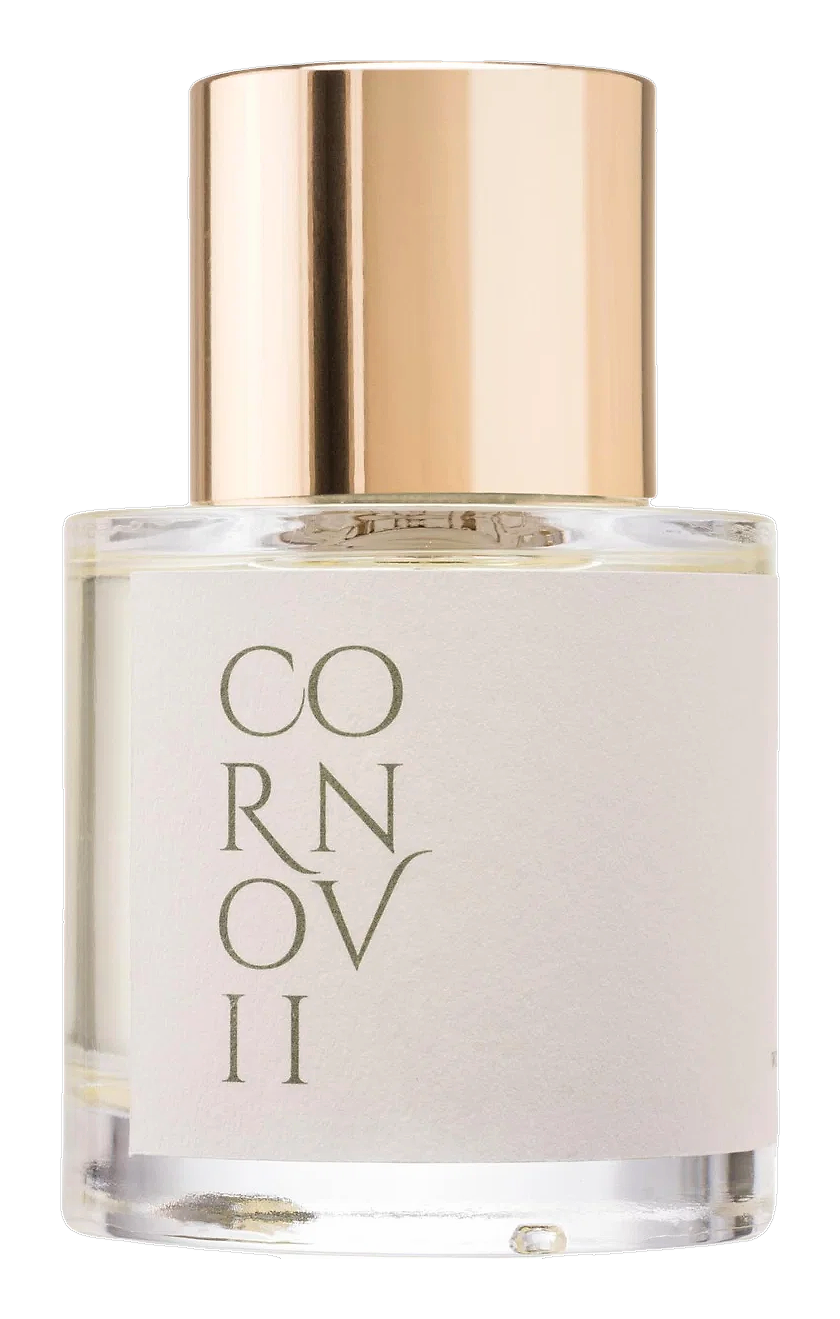
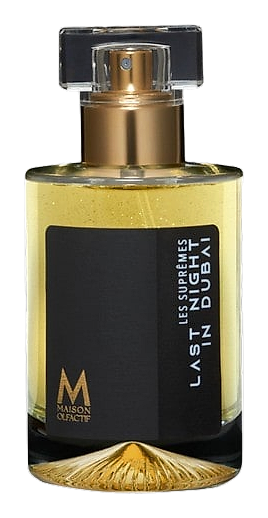
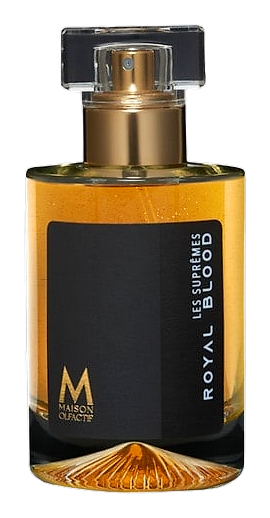
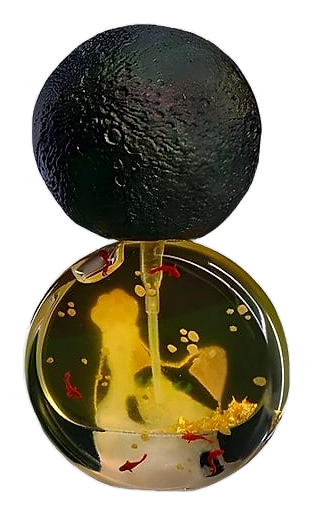
Fragrances featuring Gold

Good to know
Questions, answered
The essentials on Gold in perfumery: how it smells, where it comes from, and how it behaves on skin.
What does Gold smell like in perfume?
Gold carries a warm, sweet musk with marine and tobacco-like undertones. Its scent evolves over hours, revealing animalic warmth and a smooth, creamy drydown. No two specimens smell identical.
Why is Gold used in perfumery?
Gold serves as a fixative, extending a fragrance's lifespan on skin by 6-8 hours or more. Perfumers also value its ability to round sharp edges and bind disparate notes into a cohesive composition.
Is Gold in perfume natural or synthetic?
Natural Gold is ambergris, a rare substance from sperm whales, now strictly regulated under CITES. Most modern perfumery uses synthetic ambergris molecules like ambroxan that replicate its fixative properties legally and affordably.
What famous perfumes contain Gold?
Classic formulations like Guerlain Jicky and Chanel No. 5 originally contained natural ambergris. Modern fragrances such as Amouage Journey and MFK Oud Silk Mood reference its warm, ambery character through synthetic alternatives.
Is Gold a top note, heart note, or base note?
Gold functions as a base note, providing lasting foundation that emerges 30-60 minutes after application. Its heavy molecular structure means it lingers for hours while lighter top notes dissipate.
What notes pair well with Gold in perfume?
Gold harmonizes with woody materials like sandalwood and cedar, oriental resins such as frankincense and myrrh, and florals including rose and jasmine. It softens oud's harshness and enhances citrus brightness.
How is Gold extracted?
Natural Gold cannot be extracted in the traditional sense. Sperm whales produce ambergris naturally, then ocean currents and sunlight transform floating specimens over decades before coastal discovery and ethanol tincturing.
Is Gold used in men's or women's fragrances?
Gold appears in unisex and masculine-leaning compositions more frequently due to its animalic, musky character. However, luxury women's fragrances like powdery florals and chypres have employed it for over a century to add sophistication.