
The Story
Why it exists.
The beginning
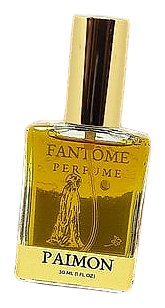
The brief was about heat, about something ancient and gilded rising from sand. The composition centers on coconut and vanilla, but not in any conventional sense. The fragrance doesn't lean into tropical brightness or playful sweetness. Instead, it captures something warm and golden, a shimmer that exists in imagination as much as geography. The air feels heavy, the ground holds memory of every sun that's ever blazed above it. Paimon is the fragrance of that shimmer.
What makes Paimon unusual is the coconut-gold pairing. The coconut shell note wraps around the gold and vanilla like parchment around a decree, protective, deliberate. The frankincense and myrrh aren't layered on top. They're the foundation the gold builds from. The drydown reads as one continuous surface of amber and sand.
The evolution
The opening arrives warm. Black amber and frankincense arrive together, and the coconut emerges soon after, not bright, not sweet, just present like a memory of something tropical rather than the thing itself. The vanilla arrives and blends with the gold note until the two become hard to separate. That's the heart of Paimon: a place where coconut, vanilla, and gold exist as one continuous warmth. The frankincense stays throughout. The drydown is frankincense and sand, with the amber holding everything close to the skin for hours.
Cultural impact
Paimon belongs to Fantôme's catalog, where it occupies a specific position. The fragrance is warm, almost opulent, grounded by sand and incense in a way that keeps it from reading as purely sweet. Within the brand's catalog, it occupies a specific position: warm but not purely sweet, grounded by sand and incense. The fragrance has developed a following among wearers who appreciate warmth without mainstream sweetness, people who want coconut and gold but not sugar.