Coconut shell
Coconut shell absolute distills the carbonized husk of the coconut fruit into a rich, smoky aromatic material. This dark, viscous absolute captures an unexpected facet of a tropical icon, bringing woody warmth and subtle sweetness to fragrance compositions.

Character
How it smells
Carbonized tropical warmth in every note.
Coconut palms cover over 12 million hectares globally, yet only their hard shells yield the smoky base note perfumers prize today.





Origin
Indonesia
Coconut palms have accompanied human civilization across tropical coastlines for over 4,000 years, carried by seafarers who recognized the fruit as a portable source of water, food, and materials. Ancient Malay and Polynesian cultures built houses, crafted tools, and wove mats from every part of the plant, though fragrant applications focused primarily on coconut oil pressed from the copra.
European traders encountered coconuts during sixteenth-century voyages through the Spice Islands, initially valuing the meat and oil for ship's provisions. Traditional medicine systems in India, Sri Lanka, and Island Southeast Asia had long used coconut products for ritual and therapeutic purposes.
The fragrance industry's use of coconut shell itself required a different knowledge chain—one developed through charcoal production traditions. Artisans burning coconut shells for fuel discovered the resulting charcoal possessed exceptional absorbing properties long before chemistry explained why. This industrial heritage gradually merged with perfumery in the late twentieth century as extractors recognized that carbonized shell material contained unique aromatic molecules.
Today, coconut shell absolute represents a fascinating intersection of agricultural byproduct and fine fragrance luxury, threading together traditional coconut cultivation with modern aromatic chemistry.
Wears it best
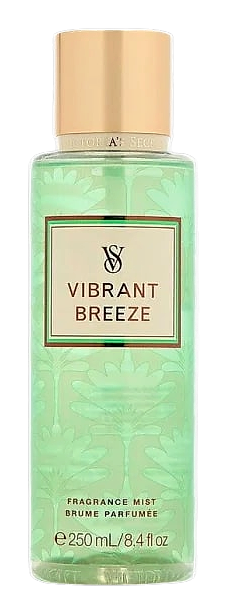
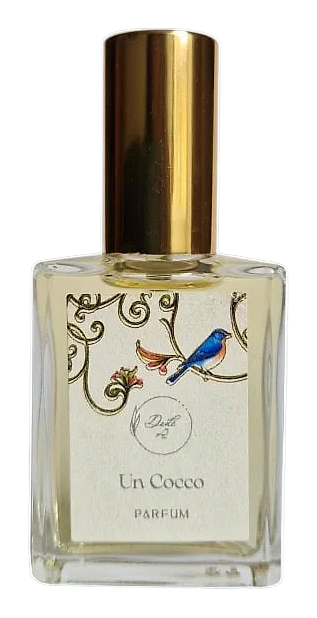
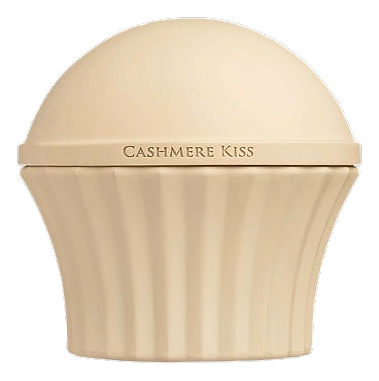
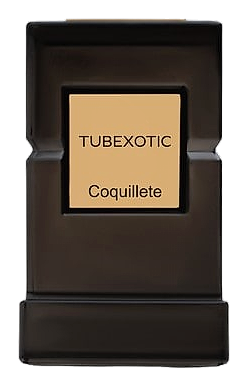
Fragrances featuring Coconut shell
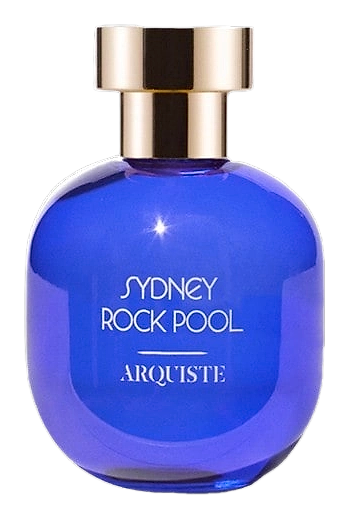

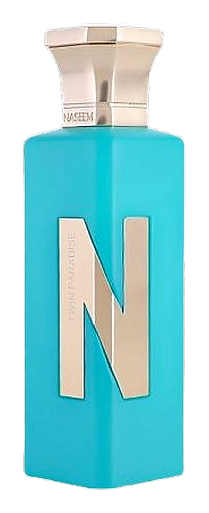
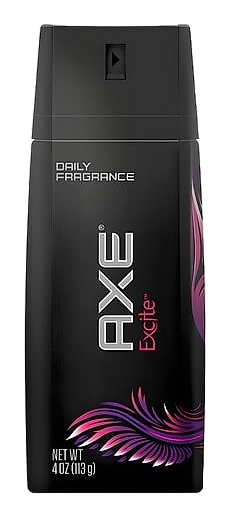
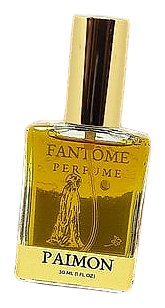
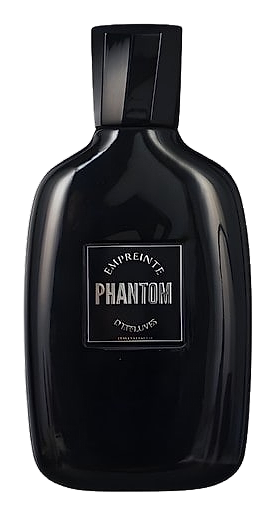
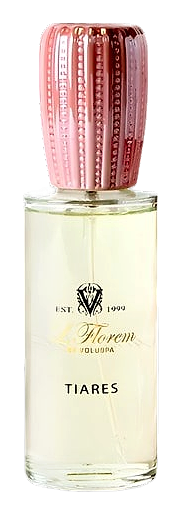
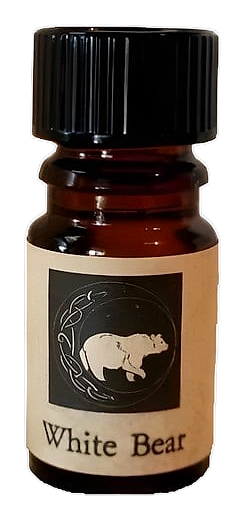
Brands
Brands known for Coconut shell
Good to know
Questions, answered
The essentials on Coconut shell in perfumery: how it smells, where it comes from, and how it behaves on skin.
What is coconut shell absolute in perfumery?
Coconut shell absolute is a aromatic extract from the carbonized husk of the coconut fruit. Perfumers use it for its warm, smoky base notes that add depth and a tropical edge to fragrance compositions.
How does coconut shell differ from coconut milk or cream in fragrance?
Coconut cream and milk smell creamy, sweet, and lactonic. Coconut shell absolute smells smoky, woody, and almost charred—these are completely different aromatic profiles from opposite parts of the fruit.
What does coconut shell absolute smell like?
The absolute presents as smoky and woody with subtle sweet undertones, similar to burnt wood or aged cognac. High-quality extracts can contain faint vanilla-like nuances from compounds formed during carbonization.
Is coconut shell absolute natural or synthetic?
It is a natural material derived from coconut husks. The carbonization and solvent extraction process alters the raw coconut, but the starting material and aromatic compounds originate from the coconut palm fruit.
Which fragrance families commonly use coconut shell absolute?
The ingredient appears most often in Woody, Oriental, and fresh Green fragrance families. It works well in masculine fragrances and tropical-inspired compositions seeking unexpected smoky depth.
What concentrations do perfumers typically use?
Coconut shell absolute functions as a base note fixative at low concentrations, typically 0.5-5% in fragrance concentrates. Its intensity requires careful dilution to avoid overpowering lighter top notes.
Does coconut shell absolute occur naturally in coconut?
Some aromatic compounds found in the absolute, like certain lactones, exist naturally in coconut meat. However, the smoky character develops specifically during carbonization, so fresh coconut lacks this aromatic quality.
What regions produce coconut shell absolute?
Indonesia, the Philippines, and Sri Lanka dominate global coconut production and supply the fragrance industry. These tropical nations have abundant coconut cultivation and established processing infrastructure.