The Story
Why it exists.
The beginning
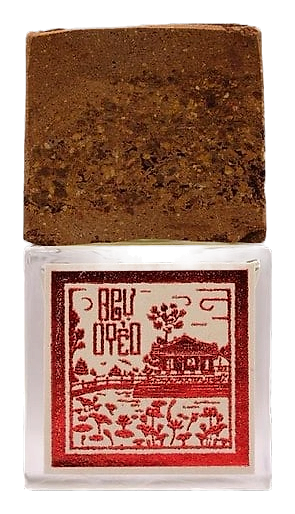
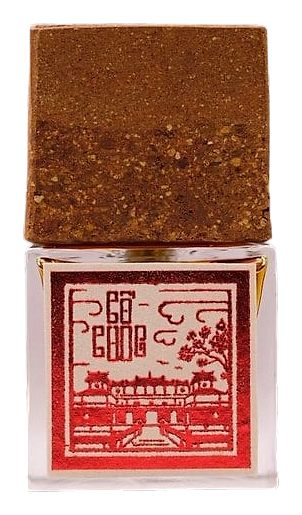
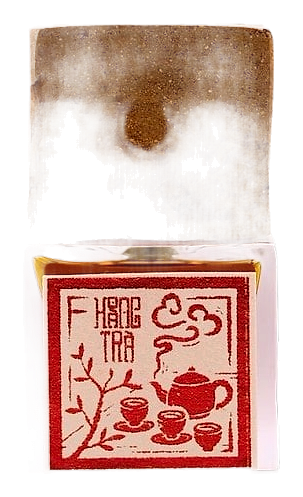
Hoàng Trà translates directly to Imperial Tea, Imperial Osmanthus Tea, and that's not marketing language. It's a deliberate reference to Huế, the last imperial capital of Vietnam, where osmanthus once grew in the royal residences. Perfumer Nguyen Do built this fragrance around that specific flower, giving it the kind of centrality that Western perfumery rarely grants osmanthus. The name announces the ambition: this is a fragrance that belongs to a place, a history, and a particular kind of Vietnamese quietude that global perfumery has largely ignored. It's the second release in the Cổ Thành Huế collection, following Dạ Yến into a territory that positions Vietnam not as a source of exotic raw materials but as a fragrance culture with its own vocabulary. Nguyen Do has said, through the brand's editorial presentations, that the goal is positioning Vietnam within the global fragrance conversation, and Hoàng Trà is that argument made olfactory.
What makes Hoàng Trà structurally unusual is how the osmanthus functions. In most compositions, osmanthus plays supporting duty, a sweet Fruitchouli accent, a brief apricot flash before the real accords arrive. Here it's the structural center. The benzoin wraps around it, giving it warmth without heaviness. The base, cedarwood, oakmoss, vetiver, provides the stillness that lets a single flower command attention. The green tea opening isn't a tea-note approximation or a watery aquatic. It's actual depth, actual astringency, the kind of bitter clarity that tea carries before milk and sugar arrive.
The evolution
The opening arrives in full: green tea's bitter clarity, the pomelo's tropical brightness, orange blossom's white-floral whisper. It reads clean but not sterile, there's weight here, a green depth that most fresh fragrances skip. The osmanthus doesn't storm in. It rises gradually, finding space between the tea and the citrus, carrying apricot-sweetness and something almost leather-like as it settles into the skin. The benzoin wraps around it about thirty minutes in, adding warmth without pushing the fragrance toward gourmand territory. What stays longest is the base. Cedarwood holds, vetiver grounds, oakmoss lingers in that particular way moss does, close, damp, like the underside of something green and ancient. The drydown is intimate. It doesn't announce itself across a room. It exists two inches from the skin, the kind of scent you catch when you move your wrist close to your face. Lasts four to six hours depending on skin, quieter in its second half but never disappearing entirely.
Cultural impact
Hoàng Trà represents a specific argument within contemporary perfumery: that Vietnam has an olfactory vocabulary worth translating at the highest level. Maison de Nguyễn operates from the premise that Vietnamese ingredients, regional tea varieties, tropical botanicals, highland woods, can form the foundation for sophisticated compositions that stand apart from the Western canon. The Cổ Thành Huế collection takes its name from Huế's historic imperial citadel, grounding each release in specific Vietnamese cultural references rather than generic Asian-inspired marketing. As a 2025 release in an emerging house, Hoàng Trà occupies early territory in what may become a longer conversation about what Vietnamese perfumery contributes to global fragrance culture.