
The Story
Why it exists.
The beginning
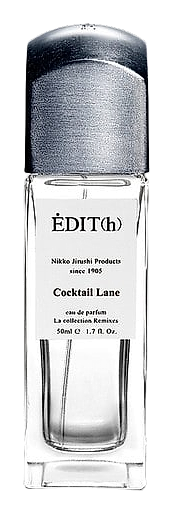
Cocktail Lane came from an observation about a particular kind of moment, the one that hits when you're at a bar in the city and something about the act of ordering sends you sideways into memory. Alexandra Carlin built the fragrance around that tension: the sparkle of the green cocktail accord at the start, the slow arrival of bitter liqueur that changes everything. It's a scent about the gap between what's happening and what it makes you think about.
What makes this composition interesting is the way the liqueur doesn't arrive immediately. It waits. The top opens bright and refreshing, cucumber cool, grapefruit sharp, ginger with real spice, and then the bitter accord emerges from within that green accord itself, not on top of it. The basil and floral heart keep the transition soft, but the shift is unmistakable. This is a fragrance built for a wearer who understands that the interesting part of a night isn't the arrival. It's the moment when the first drink starts to tell you something.
The evolution
The opening is immediate: cucumber coolness and grapefruit brightness, the Madagascan ginger hitting with a clean, almost medicinal heat that doesn't scorch. Thirty minutes in, the bitter liqueur begins to surface within the green accord, not replacing it, but threading through it. The basil and florals arrive quietly, keeping the heart soft and green rather than boozy or heavy. Then, around the two-hour mark, the base takes over: cedar and sandalwood warming together, musk keeping everything close to the skin. The drydown is intimate. On fabric, the cedar holds for another two to three hours. On skin, it fades to a clean, slightly woody whisper that someone standing next to you might catch before you even notice it's still there.
Cultural impact
The Japanese fragrance market has long valued restraint over declaration. Cocktail Lane fits that tradition while appealing to a younger, urban wearer who associates scent with moments, the rooftop drink, the city evening, the memory that surfaces when you're not expecting it. ÉDIT(h)'s approach treats fragrance as personal signature rather than public statement, and this fragrance embodies that philosophy: you're meant to be remembered, not announced.
The House
ÉDIT(h)ÉDIT(h) is a Japanese fragrance house that emerged from an unexpected lineage: the century-old tradition of red-ink stamp pad manufacturing. The brand translates the tactile language of ink into scent, creating perfumes that carry the weight of cultural heritage while embracing modern minimalism. Each fragrance in the collection draws from Asian aromatic traditions that Nikko Jirushi, a company founded in 1905, has cultivated through generations of ink-making. The result is a portfolio of scents that feel simultaneously familiar and strange, rooted in Japanese aesthetic principles of restraint and suggestion. ÉDIT(h) approaches perfumery as a form of translation, transforming the sensory memory of ink, paper, and official seals into olfactory experiences.
The Creator
Alexandra CarlinAlexandra favors a modular construction that begins with a single anchor note, then layers supporting accords like chapters in a story. She reaches for natural extracts that retain a tactile quality - wet moss, cracked amber, or sun-kissed citrus - while pairing them with synt…