The Story
Why it exists.
The beginning
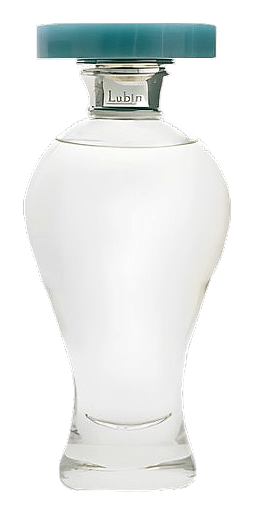
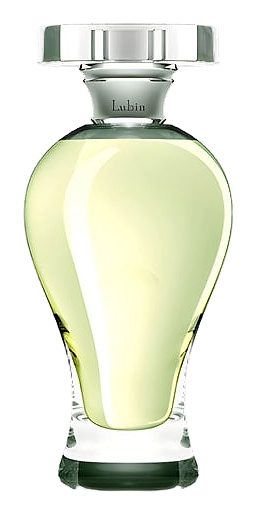
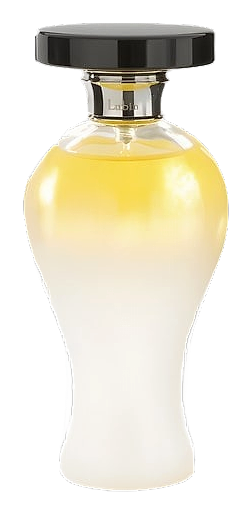
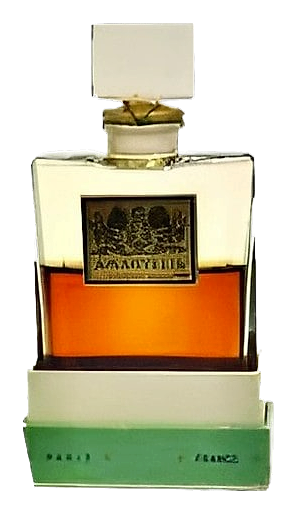
Amaryllis joined Lubin's catalogue in 1922. By then the house had already established itself across decades of Parisian perfumery, with sources noting its place in the high society of the Napoleonic era. The 1920s brought new energy to French composition, and Lubin responded with fragrances that carried the house's classical training into unfamiliar territory. Amaryllis, named for the flower, was part of that response. Built with iris at its center and threaded with hyacinth, the composition uses chypre architecture to give the bloom a gravity that most florals of its kind never attempted. The fragrance exists today as a discontinued reference piece, a composition that survives in collector circles and vintage stockists. Its rarity has not dimmed its reputation.
What makes Amaryllis memorable is the spice's refusal to stay polite. In most florals of this type, warming notes function as accent, a ribbon of cinnamon or clove tied around the bouquet. Here the spice sits closer to the architecture, near the foundation, shifting the whole composition from powder to something with a pulse. The iris still carries the room, but it speaks with a rougher instrument than usual, its usual suede-like softness roughened by the warmth beneath. A chypre that remembers spice is its own category of flower, and Amaryllis wears that lineage without apology.
The evolution
The opening announces itself with cool restraint. A green, slightly bitter entry settles onto skin like the first word in a conversation you intend to control, brief and self-possessed. Within the first twenty minutes the iris arrives, full and powdery, not shy about its presence. This is the phase that lasts, the long floral plateau that defines the composition. Hyacinth threads through it, sharp and metallic, keeping the sweetness from going soft. The iris here feels sculpted rather than scattered, and the hyacinth acts as a kind of cutlery across the powder, adding a glint that prevents the florals from sinking into soapy territory. An hour in, the shift begins. The iris doesn't fade so much as step aside, and the spice walks forward. The warming notes arrive with a dense, almost chewy character, something that reads as resinous and dry rather than sweet.
Cultural impact
Amaryllis sits in the small, quiet category of chypres that treat iris as architecture rather than accessory. Wearers who find it describe it as composed without being cold, a fragrance that rewards attention and rewards it again on the second wearing. The discontinued status makes it a collector's reference point, the kind of bottle that gets passed between people who know what to do with it. Its value lies in what it teaches the nose: that iris can carry spice, that chypre structure can support something warmer than moss and citrus, and that a flower named for one bloom can smell like another entirely.