The Story
Why it exists.
The beginning
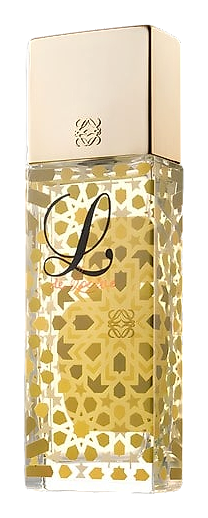
L de Loewe arrived in 1972, the first fragrance the house ever released. That fact alone does some work, because the debut had to justify its existence. No prior scent to soften expectations, no reference point for what this maker could do outside leather. Just the first move, and it had to land. The opening hits with green galbanum, the green note that smells less like leaves and more like a stem broken between your fingers, sharp and vegetal and slightly bitter. It announces the composition before you've had time to read the bottle. Then ylang-ylang softens the blow without erasing it. The yellow floral earns its place by refusing to behave sweetly. Galbanum this aggressive at the top could easily flatten everything underneath, and the ylang-ylang refuses to let that happen.
What separates L de Loewe from the chypres that came after it is the restraint. Galbanum this sharp usually overwhelms. Bergamot brightens it without sweetening it. Ylang-ylang and neroli arrive in tandem, and the composition refuses to overstate either one. The heart introduces passion flower and carnation, both uncommon choices, both working harder than expected. The carnation gives it a warm-spicy edge without veering into oriental territory. The passion flower adds a vegetal softness that bridges green and floral without becoming either.
The evolution
The galbanum is loud for the first minutes after application. Not aggressive, just present, the way a well-cut leather jacket is present. Then neroli arrives and the sharpness rounds. Bergamot lifts you up bright through the opening act, and by the time the ylang-ylang settles in, you're in the yellow-floral register the composition was building toward. The heart is where this fragrance does its quiet work. Passion flower and carnation share a warm, slightly spicy floral that has none of the powdery softness you'd expect from a 1972 composition. It's grounded. Present. The carnation especially holds its own without leaning into clove-heavy territory. As the hours pass, the base notes start to speak. Sandalwood enters, creamy and dense, and it gives the drydown a warmth that the green opening never promised. Benzoin arrives with a quiet sweetness that lingers close to skin.
Cultural impact
L de Loewe holds a specific place in vintage fragrance history as a 1972 debut that went green when the safer path would have been something softer. The fact that production appears to have been discontinued gives it a different weight now. It's not available the way it once was. That scarcity has shaped how it's discussed in collector circles, less as a wearable option and more as a historical document. Wearers who know it describe it with a specificity that suggests experience, not casual sampling.