The Story
Why it exists.
The beginning
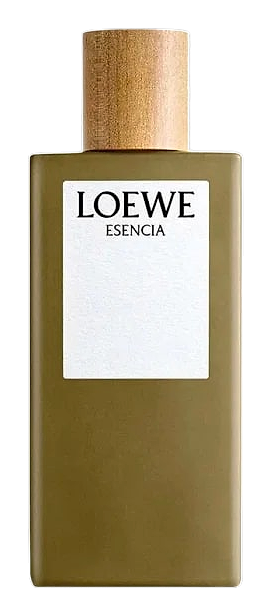
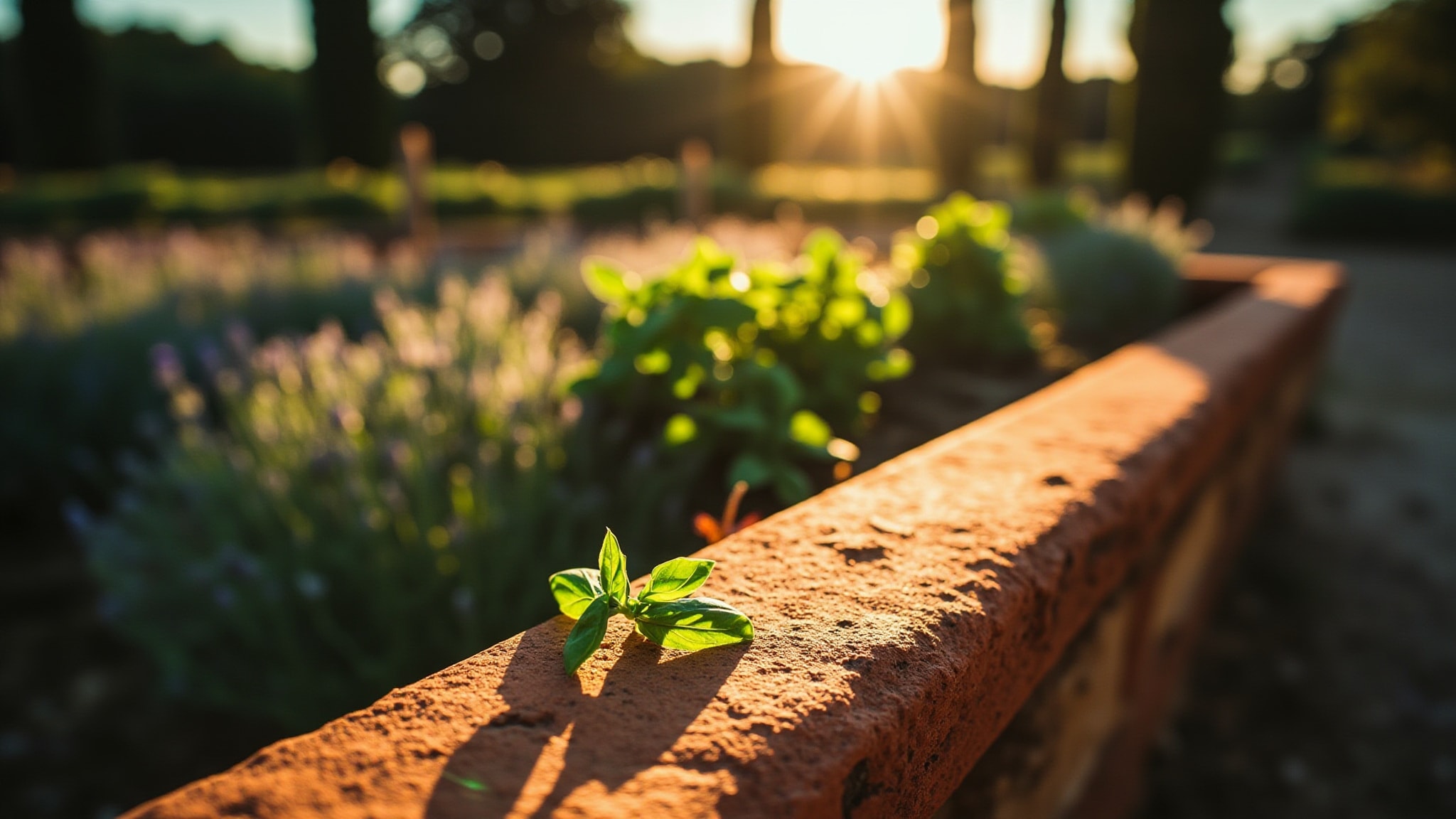
In 1988, Loewe asked Olivier Cresp to compose something recognizably herbal without tipping into the obvious. Cresp answered with a fougère architecture so densely built the brand later claimed it contained more than two hundred individual elements. Basil. Tarragon. Each one doing a specific job in a structure that reads as herbal and green on the surface but carries a serious woody foundation underneath. The composition works because nothing announces itself loudly. Basil offers a cool, slightly peppery lift that brightens the opening without swaggering. Tarragon brings its anise snap, curling around the sharper greens and giving them an almost licorice-touched warmth. Juniper sits underneath, resinous and dry, the kind of note you'd find if you crushed a pine needle between your fingers.
What emerges from Cresp's densely layered formula is a composition where no single herb dominates. Tarragon's anise snap plays against galbanum's bitter green bite. Juniper brings the resinous backbone, dry and slightly balsamic, pulling the greener top notes down into something grounded. Petitgrain adds the neroli shadow, a quiet citrus flicker that softens galbanum's sharper edges without rounding them off entirely. Each note disappears into the next, which is exactly the point. The whole reads as one gesture rather than a checklist.
The evolution
The opening is loud. Galbanum cuts in with that sharp, almost rubbery green bitterness, the kind of note that doesn't ask for attention so much as take it. Tarragon twists in behind it, sweet and anise-edged, softening nothing but adding a strange herbal warmth that keeps the sharpness from feeling clinical. Lavender smooths the edges further, its clean, soapy facet pulling the composition into something more wearable. Bergamot and lemon add a thin citrus veneer, bright and quick, a flash of light before the herbs take over. As the composition develops, the heart begins to open. Pine and clary sage arrive together, pine giving that dry, resinous crack, clary sage adding its musky, hay-like sweetness. Basil weaves through with a peppery warmth. Jasmine and rose slip in barely noticeable, more texture than floral statement, their job is to round the herbs rather than perfume them.
Cultural impact
Esencia holds a specific place among late-1980s masculine fragrances: the green fougère built around herbal complexity and a dense aromatic architecture. It wears like a fragrance for someone who treats grooming as a daily ritual rather than a performance. The composition doesn't announce itself across a room. It rewards close attention, the kind you give to something worn on your own skin for your own pleasure. Collectors appreciate it for its restraint and its refusal to chase trends.