The Story
Why it exists.
The beginning
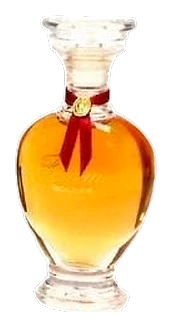
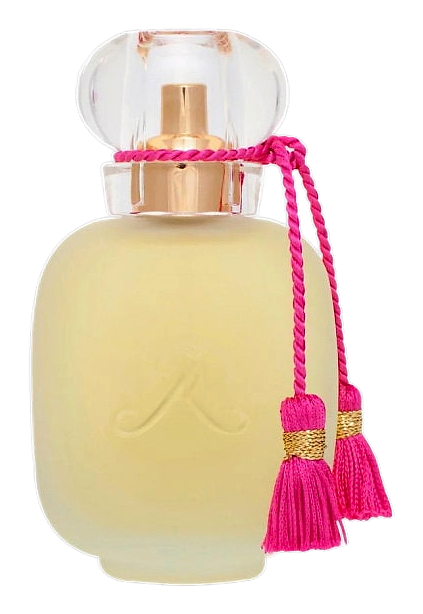
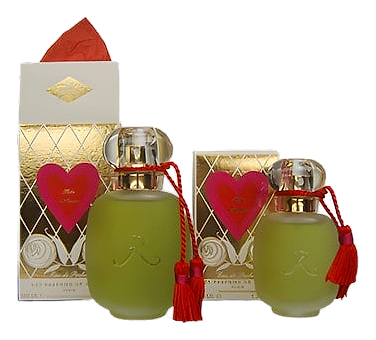
Rose d'Amour means Rose of Love, a name that does exactly what it says on the bottle. Released in 2006 under Les Parfums de Rosine, the house built around a single flower. Marie-Hélène Rogeon, who revived the dormant house in the 1990s, crafted this as a study in classical chypre structure: aldehydes lifting the rose, oakmoss anchoring it, and everything held at a register that whispers rather than shouts.
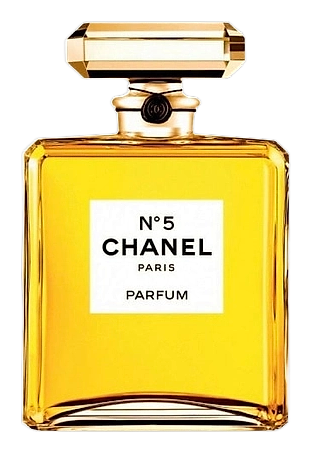
The aldehydes here don't carry the weight of No. 5, they're used with restraint, lending sparkle without nostalgia. Galbanum adds a green, slightly bitter edge that grounds the composition. The combination of nutmeg, black pepper, and vetiver in the base gives the drydown warmth without heaviness. It's classical French perfumery, but with an intellectual distance that keeps it from feeling museum-piece.
The evolution
The aldehydes hit first, bright, metallic, shimmering. Thirty minutes, maybe less, before the ginger and galbanum arrive to cut through with something sharper. Green. Almost astringent. Bergamot barely registers before the rose oil heart takes over. Not a bold rose, a powdery one. Starchy from the iris. Red berries add a faint sweetness that never quite arrives. Then the handoff: oakmoss, nutmeg, vetiver. The drydown is quiet. Intimate. A conversation between two people standing close, not a speech to a room. It lingers close to the skin for hours.
Cultural impact
Rose d'Amour has developed a small, devoted following among those who appreciate classical chypre structure without wanting to smell like a museum. The aldehydic rose opening appeals to wearers who understand fragrance history; the green, spicy heart rewards those looking for something more complex than a standard floral. It was discontinued, which only deepens its appeal among collectors. The difficulty of finding it is, for some, part of the attraction.