
The Story
Why it exists.
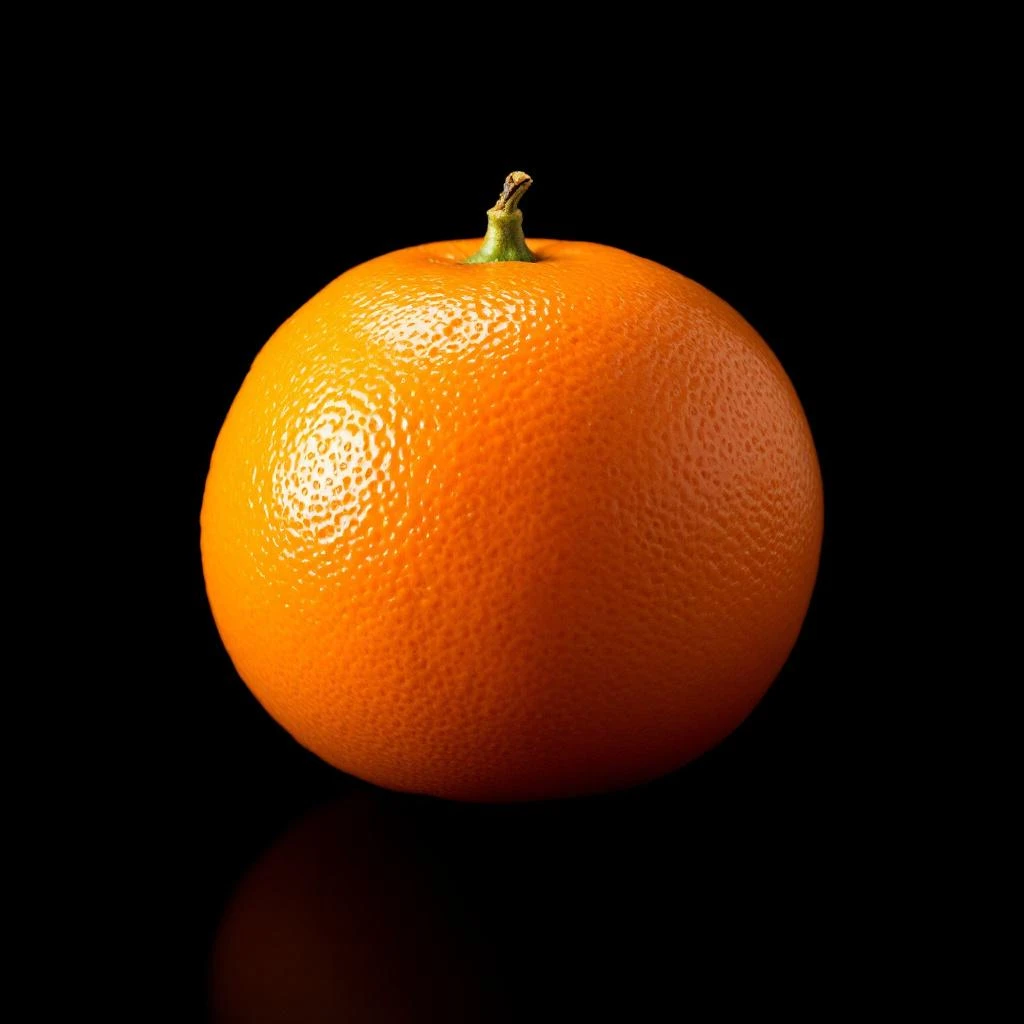
Robert Gonnon created Ô de Lancôme in 1969. The fragrance opens with citrus that arrives bright and insistent. The herbal heart emerges next, where basil and rosemary establish themselves, joined by coriander. Oakmoss and sandalwood anchor the composition, giving the blend structure and weight. The citrus note carries an almost tart quality, cutting through with clean energy. Herbs provide an aromatic backbone that feels green and slightly bitter. Oakmoss contributes earthiness while sandalwood adds creaminess that tempers the sharper notes. This combination creates a sophisticated balance between bright opening and grounded foundation.
If this were a song
Community picks
Bugle Boy Rag
Benny Goodman and His Orchestra
The Beginning
Robert Gonnon created Ô de Lancôme in 1969. The fragrance opens with citrus that arrives bright and insistent. The herbal heart emerges next, where basil and rosemary establish themselves, joined by coriander. Oakmoss and sandalwood anchor the composition, giving the blend structure and weight. The citrus note carries an almost tart quality, cutting through with clean energy. Herbs provide an aromatic backbone that feels green and slightly bitter. Oakmoss contributes earthiness while sandalwood adds creaminess that tempers the sharper notes. This combination creates a sophisticated balance between bright opening and grounded foundation.
The note structure is the point. Classic chypre architecture with an aromatic heart. The citrus top fades fast because citrus always does. What remains is the basil-rosemary-coriander layer, and that is where Ô de Lancôme actually lives. Most of the fragrance's life happens in those herbs. Oakmoss is the material that provides old-structure weight. It gives the drydown depth and complexity. Sandalwood softens the moss, creating a warm earthiness that lingers in a way that feels natural rather than constructed.
The Evolution
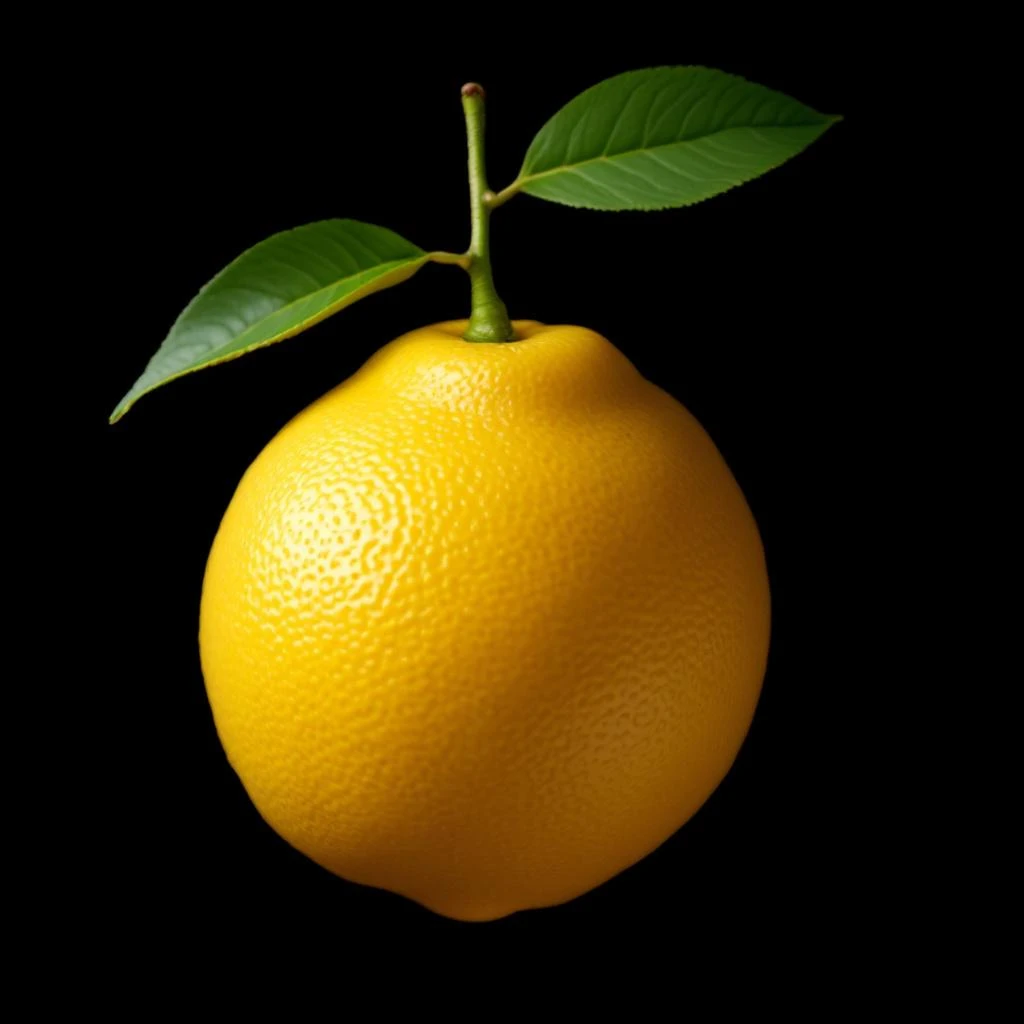
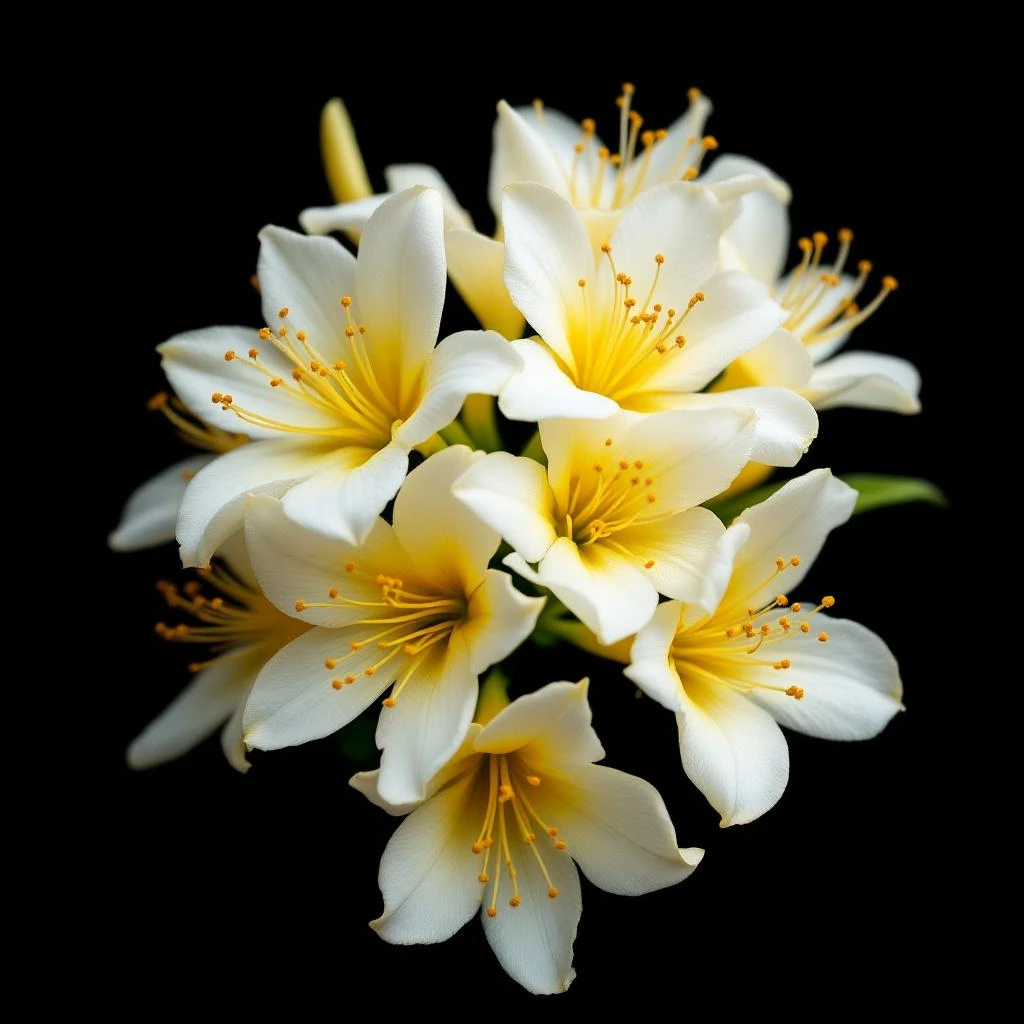
The opening floods with citrus. Lemon, mandarin, and bergamot arrive together. Honeysuckle cuts through the acid before anyone settles. You smell this for minutes, not hours. The drydown reveals itself through oakmoss and vetiver. Sandalwood arrives, finally calming what was sharp. The combination of these materials creates a fragrance that feels both crisp and herbal, held together by oakmoss that provides weight and structure. This is where the composition earns its place in the chypre tradition. The sandalwood softens everything, makes the earthiness feel worn rather than harsh. Occasional traces of the floral notes resurface through the drydown, adding unexpected moments of brightness late in the wear.
Cultural Impact
Ô de Lancôme has held its ground since 1969, which is its own kind of achievement. The late sixties saw perfumery move toward green and chypre compositions, creating fragrances with more complexity and sharper character than the sweet florals that dominated earlier decades. Ô de Lancôme arrived with that sensibility fully realized. The citrus opens bright and assertive, creating immediate impact. The herbal middle section provides the real body of the fragrance, where basil, rosemary, and coriander work together to create something aromatic and grounded.
The House
France · Est. 1935
Lancôme is the quintessential French luxury beauty house, celebrated for its sophisticated perfumes and skincare that embody Parisian elegance. For nearly a century, it has defined accessible glamour, creating iconic fragrances that capture a spirit of joyful, confident femininity.
If this were a song
Community picks
The scent sounds like a Provençal garden at high noon, herbs releasing their oils in strong sun, the breeze carrying both rosemary and citrus. Jazz from the 1950s works best here: the era the perfumer Robert Gonnon would have been listening to when he conceptualized this in 1969.
Bugle Boy Rag
Benny Goodman and His Orchestra