
The Story
Why it exists.
The beginning
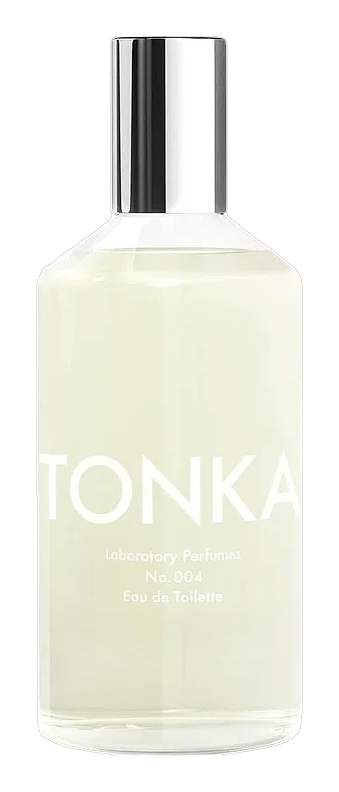
Laboratory Perfumes, founded in the UK in 2011, built its reputation on gender-neutral scents that honor clean, nature-inspired ingredients. Tonka arrived in 2015 as the house's fourth release, born from a desire to capture the tension between sharp and soft. The creative team sought to open with crisp, sparkling notes before revealing deeper, warmer facets. The perfumer understood that tonka bean, while inherently sweet, could be balanced with earthy and resinous elements to create something sophisticated rather than saccharine. This philosophy of restraint and precision defines the brand's approach to perfumery.
The note selection reflects Laboratory Perfumes' commitment to pairing contrasting elements intentionally. Pink pepper and labdanum create an aromatic tension in the opening, while the clary sage and coriander in the heart offer an herbal complexity that bridges the citrus and the warm base. Ylang-ylang bridges the floral and creamy aspects, ensuring smoothness. In the drydown, the combination of tonka bean with oakmoss is deliberate: the sweetness of tonka needs the earthiness of oakmoss and vetiver to remain sophisticated rather than overwhelming. Each note earns its place in the structure.
The evolution
The scent journey begins with an immediate impact: pink pepper provides a delicate spice while mandarin orange and bergamot deliver a clean, energizing citrus burst. Labdanum adds a touch of Mediterranean warmth from the outset. As time passes, the clary sage and coriander emerge as the true protagonists of the heart, their herbal and spicy qualities weaving through the woody accord and the creamy sweetness of ylang-ylang. The transition feels natural rather than abrupt. In the drydown, tonka bean finally reveals its full character, its coumarin-rich warmth enhanced by amber's golden radiance. Oakmoss and vetiver provide the necessary counterweight, delivering earthiness and a subtle smokiness that elevates the entire composition.
Cultural impact
Since its 2015 debut, Tonka has quietly influenced a generation of minimalist perfumers who seek to balance bright citrus with warm, earthy depth. The fragrance’s blend of bergamot, mandarin orange, labdanum, and pink pepper resonated with the rise of clean‑beauty aesthetics, encouraging brands to foreground transparent ingredient stories. In niche circles, Tonka is often cited as a reference point for how a modest sillage can still command attention in Intimate settings, prompting discussions on sustainability of scent projection in crowded urban environments. Its moderate longevity and approachable dry‑down have made it a staple in editorial recommendations for transitional wardrobes, subtly shaping consumer expectations around versatility without overt flamboyance.