The Story
Why it exists.
The beginning
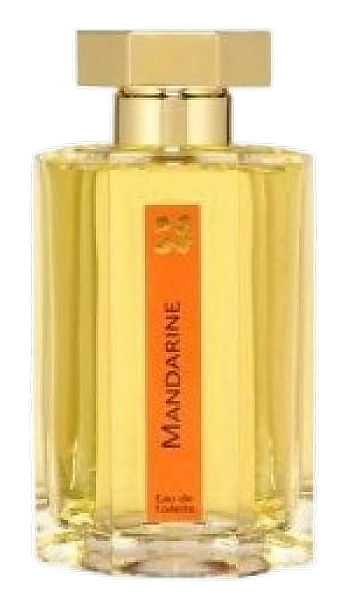
Olivia Giacobetti built her reputation on honesty. She has composed for L'Artisan Parfumeur on multiple occasions, and the house has called her back for good reason. Mandarine arrived in 2006 as part of that ongoing conversation between the perfumer and a brand that prizes ingredients over spectacle. Giacobetti doesn't build towers. She builds rooms with one window open. Here, that window faces a citrus grove at the hour when the fruit is heavy and almost falling. The composition sets out to capture the layered reality of a single mandarin, presenting it across the full architecture of the pyramid rather than reducing it to a single bright idea.
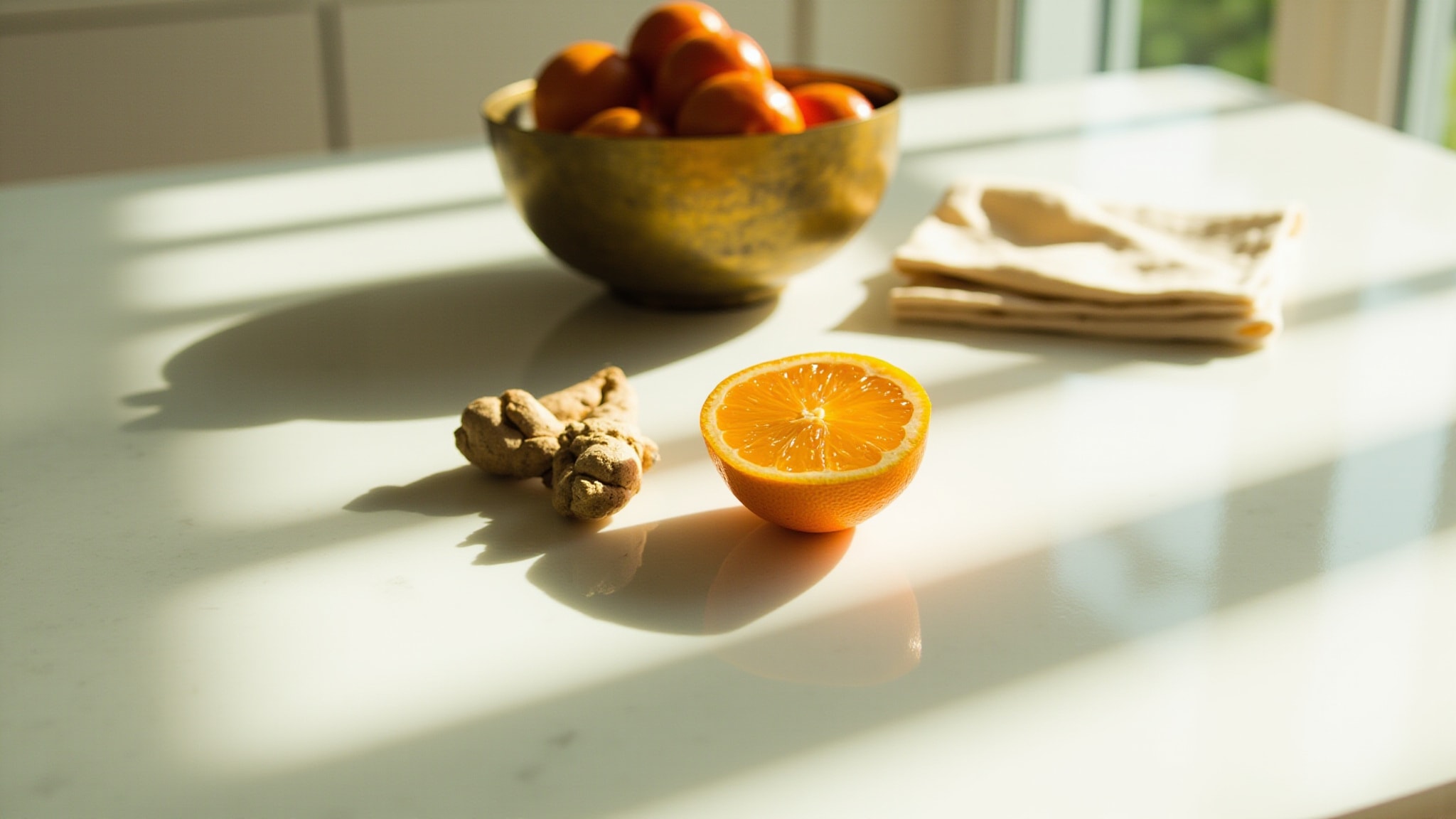
Mandarin is one of perfumery's most imitated notes, and one of the most frequently flattened. Most mandarin scents resolve to a single bright, sugary idea. Giacobetti works with three distinct expressions: green mandarin orange in the top, classic mandarin in the heart, and red mandarin orange in the base. Each one carries a different facet of the same fruit, and placing them at different levels of the pyramid gives the fragrance a sense of movement rather than a single frozen moment. Ginger adds the snap of pulling the skin apart, lending a warm, peppery lift to the opening.
The evolution
The first thirty minutes are the loudest Mandarine ever gets. Green mandarin and ginger hit the skin in an almost noisy burst, bright and slightly sharp, like the spray from a peel pulled too fast. There's a green stem quality here, vegetal and alive, that recalls the tree more than the fruit. The ginger has a warmth to it that keeps the opening from feeling thin, and the green mandarin adds a leafy snap that sits just underneath. By the one-hour mark, the ginger has stepped back and the heart takes over. Frangipani arrives, creamy and tropical, layered with a sweeter mandarin juice that reads as orange-adjacent rather than candy-like. The two sit close together, neither overpowering the chemistry. The fragrance is already quieter here. The projection softens, and the scent pulls closer to the body rather than filling the room.
Cultural impact
Mandarine sits in an interesting corner of the citrus genre. Giacobetti's approach, layering three stages of the same fruit across the pyramid, makes it feel deliberate rather than derivative. The composition treats citrus as something with depth and time, rather than as a quick top-note gesture that burns off in twenty minutes. It appeared during a stretch when niche perfumery was moving in new directions, and it found an audience without announcing itself. The fragrance has been re-released in limited quantities in 2011 and 2015, which speaks to the kind of following it built among collectors and everyday wearers alike.